Holy men? Holy cabbages! Holy bean-pods! What do they do but live and suck in sustenance and grow fat?
The White Company – Arthur Conan Doyle
You’ve probably all heard of Joan of Arc. In 1337, when Edward III, King of England, renounced his claim to the throne of France in favour of his cousin Philip VI de Valois, war broke out. From 1417 to 1450, much of the French kingdom, including Normandy, was under the yoke of English occupation. It fell to a young 17-year-old peasant girl, Joan of Arc, to step forward and present herself at court to the beleaguered king Charles VII, declaring her divinely inspired mission to deliver France from the perfidious English. She led French troops to victory, lifted the siege of Orléans and paved the way for Charles’ coronation as King of France in Reims cathedral.
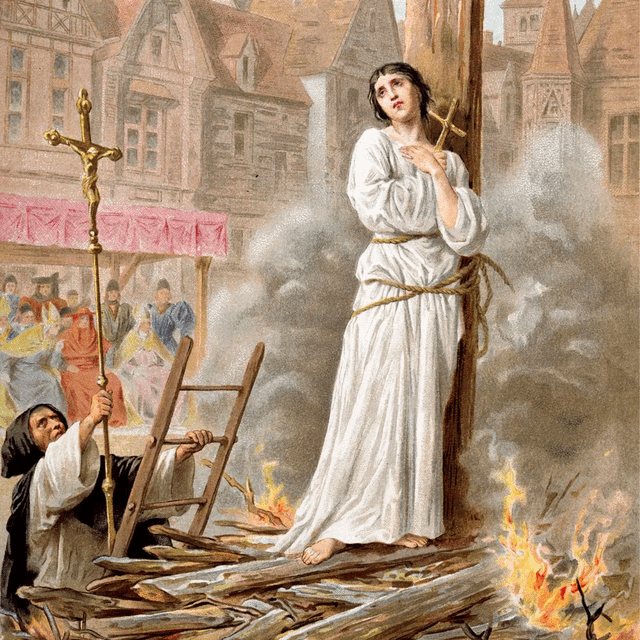
On 23rd May 1430 the pro-English Burgundian party of the day captured her at Compiègne. In December the Bishop there ordered that she be transferred to the tender mercies of the English in Rouen where she was tried and condemned to death by burning. The charge was heresy, since she had been tricked into putting on men’s clothes whilst in prison – and cross-dressing was not the done thing in the XVth century! On 31st May 1431 she was publicly burnt on the Place du Vieux-Marché in the heart of Rouen. This inspiring figure galvanised Charles VII to muster the people and in time the English would be driven out of France after the battle of Formigny in 1450.
So that is Joan of Arc but what about the Shepherd of Gévaudan I hear you ask. Shortly after Joan of Arc’s capture by the English in 1430, French military commanders were desperately looking for somebody to take Joan’s place and revive military morale. At which point who should miraculously appear on the scene but a shepherd from the Gévaudan called Guillaume.
Like Joan of Arc, Guillaume claimed to have heard divine voices while tending his sheep in the mountains of Gévaudan (near Mende), telling him that God had chosen him to drive out the English and Burgundians. From all accounts Guillaume was physically frail and bore the stigmata on his hands, feet and side.
Regnault de Chartres, the Archbishop of Reims and royal chancellor, was convinced that Guillaume was the real deal and so he was brought before the French King, Charles VII.
At this point Guillaime’s story diverges somewhat from Joan of Arc’s. His appearance didn’t lead to any stunning victories on the battlefield against the English. But like Joan, he was eventually captured by the English and met a grisly end- sewn into a sack and thrown into the River Seine where he drowned.
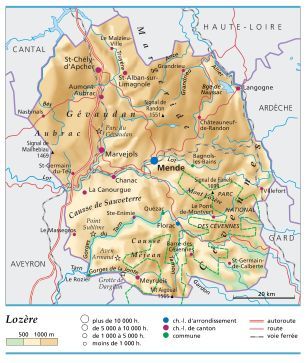
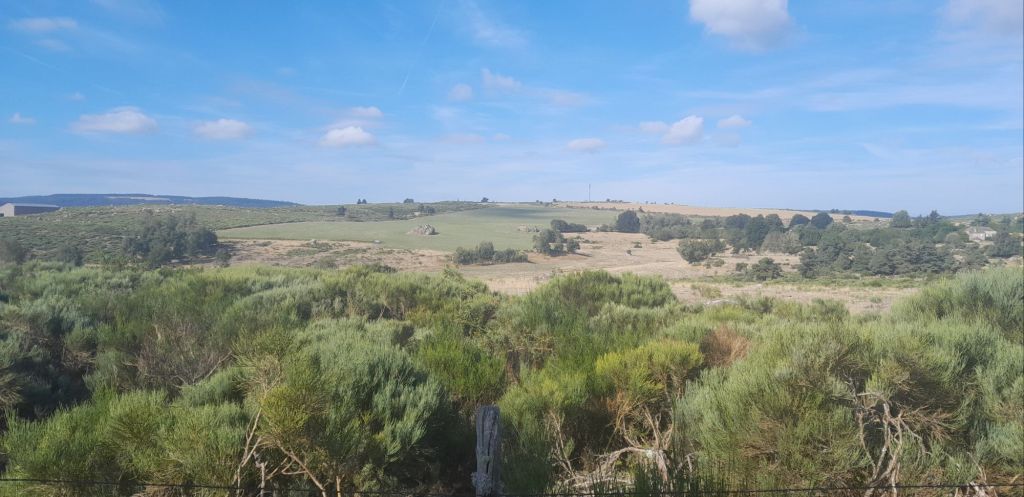
So why was I dwelling on the 100 Years War as I walked across the Margeride from Grandrieu to Les Faux in the Lozère department ( France’s least populated department which is the size of Northumberland but has a quarter of it’s population)?
Well Grandrieu, as well as having a superb bakery that served one of the best pain au chocolats I’ve ever tasted, was occupied by the English during The 100 Years War. According to the blurb in the tourist office, the 14th century church of St Martin boasted some superb frescoes.
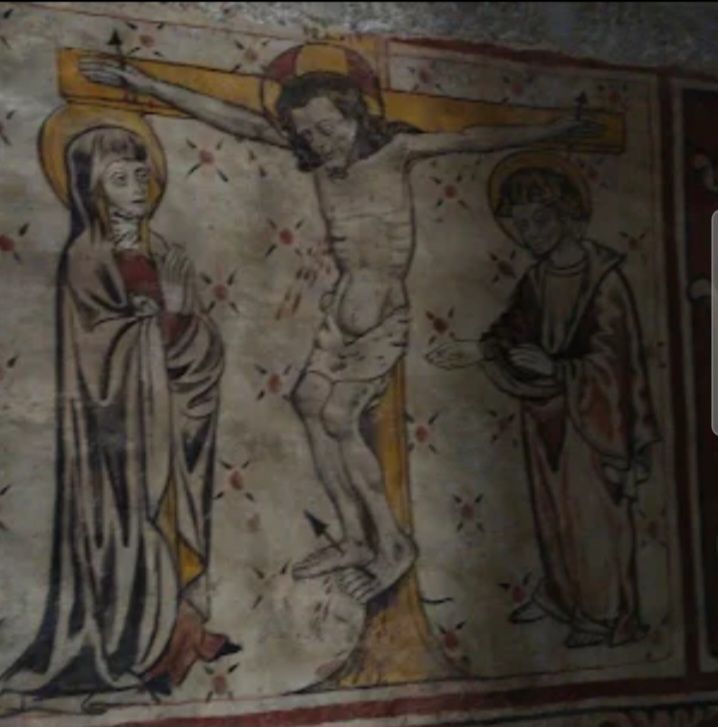
I wandered over to have a look at them but, unbelievably there was no proper lighting in the church and thus it was impossible to really see them!
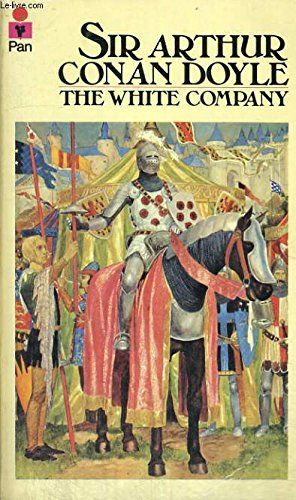
This part of France was terrorised by groups of English mercenaries who set up companies after the Treaty of Brétigny in 1360 between France and England led many English troops to be disbanded. Perhaps the most famous of their number was Sir John Hawkwood, immortalised in Arthur Conan Doyle’s The White Company.
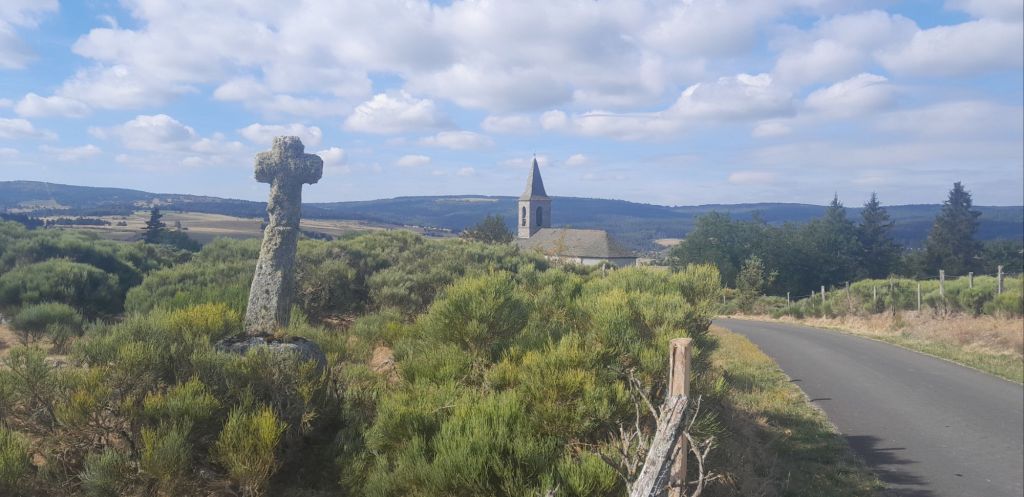
As I passed through the little hamlet of Saint Paul le Froid I saw a sign pointing up the road for Les Bisons d’Europe.
It turns out that this is where a bison reserve has been established to protect the European bison, should their Polish cousins die out. I’ve got to confess that I had no idea there was such a thing as a European bison.
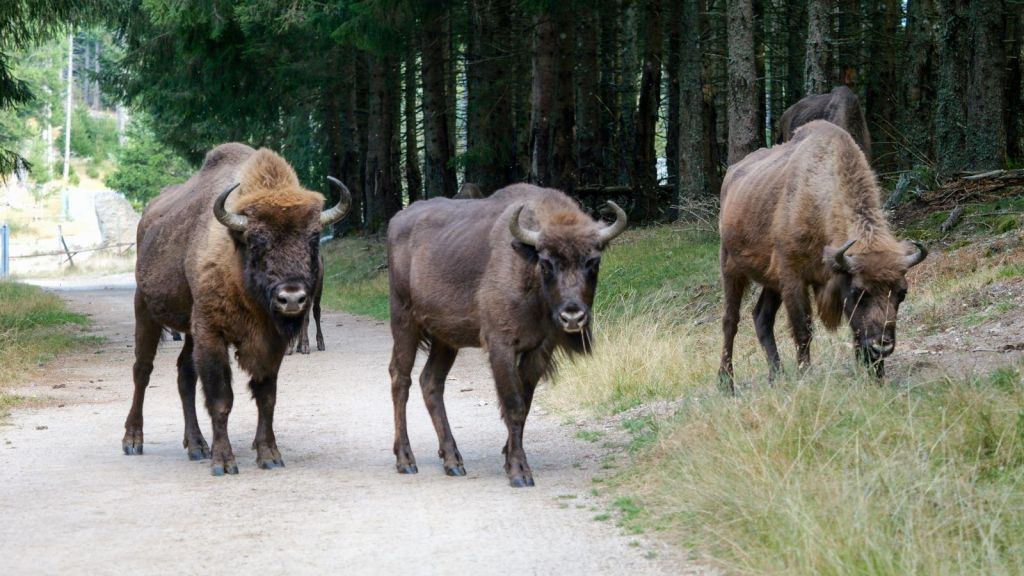
When the last wild European bison was shot in the Caucasus in 1927, there were less than 60 individuals alive in zoo and private parks. From the 1950s onwards, European bison began to be reintroduced back into the wild.
Free-ranging herds are currently found in many European countries, including Germany, Switzerland, Poland, Belarus and Lithuania. The Białowieża Primeval Forest, an ancient woodland that straddles the Poland-Belarus border, continues to host the world’s largest free-living population, with around 1,000 wild bison.
In the last 10 years, the number of free-roaming European bison has increased from just over 2,500 to around 7,000 individuals and a number of them are in the bison reserve at Saint Eulalie!
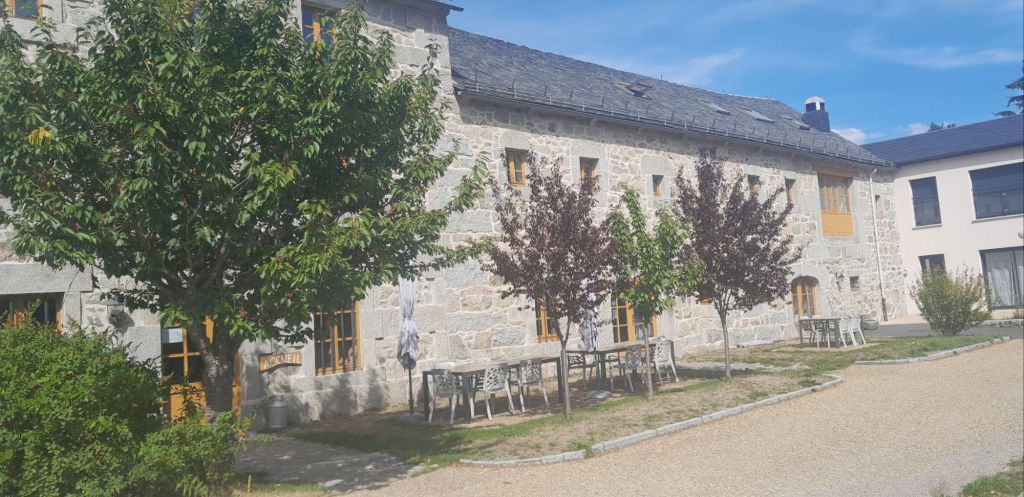
I eventually made it to my gite at Les Faux. To my surprise it was packed out with pilgrims walking the GR65 to Compostella. I installed myself at the far end of the dormitory and prayed that there weren’t too many heavy snorers. At least I had remembered to pack my earplugs!


Leave a Reply