Kill them all and let God sort them out.
Arnaud Amalric, Cistercian monk, during the siege of Béziers in 1209AD.
Growing up, I was the bane of my parents’ life.
Initially it was dinosaurs, then it moved on to Roman villas with mosaics before morphing into an unhealthy obsession with mediaeval castles. Family holidays became a stressful tripartite struggle between my mother’s desire to relax in the sun, my father’s need to track down a copy of the Times and complete the crossword in under 5 minutes, and my obsession to visit any medieval castle within an hour of our summer holiday location. Of such combustible ingredients, happy family holidays are not made!
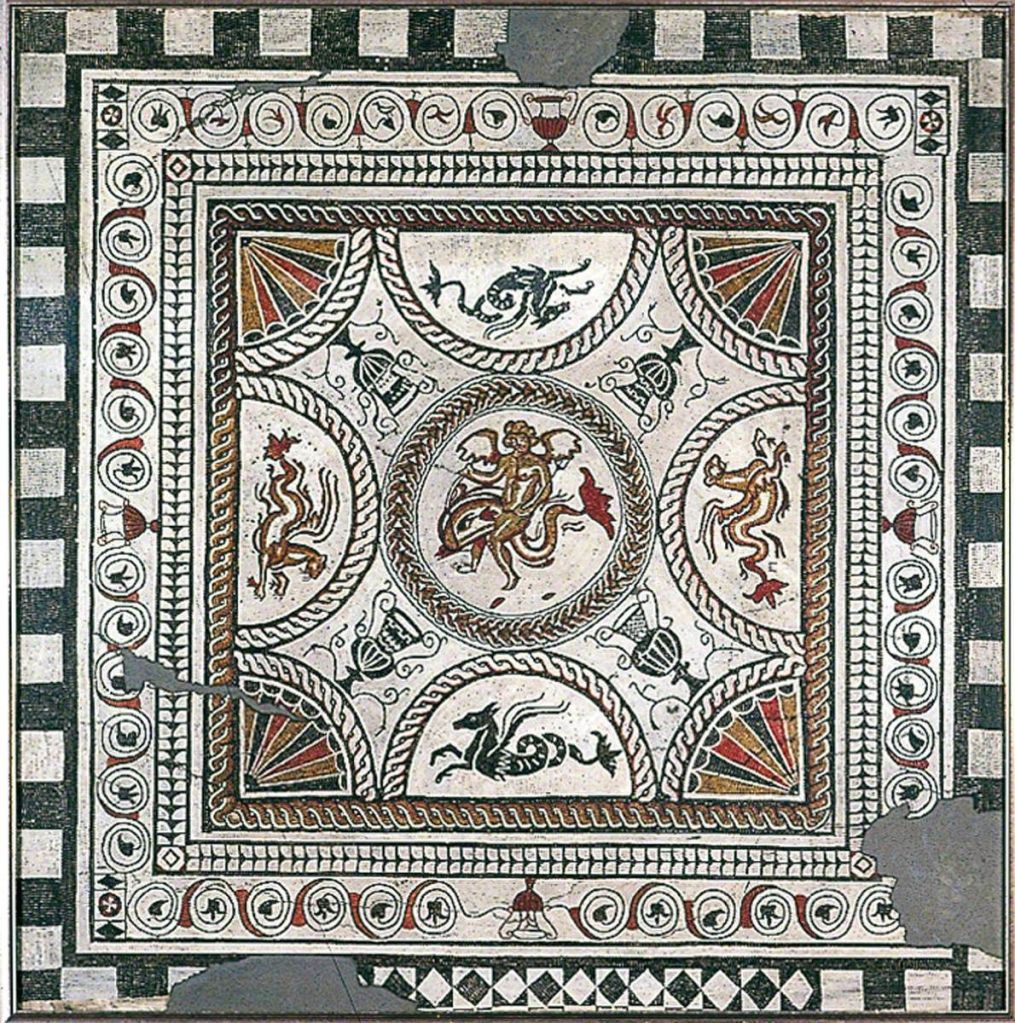
Visits to see my grandmother in Cornwall involved lengthy detours to Tintagel and Restormel castle. A family holiday in Pembrokeshire in the early 70s was spent visiting the Anglo-Norman castles of Manorbier and Pembroke.
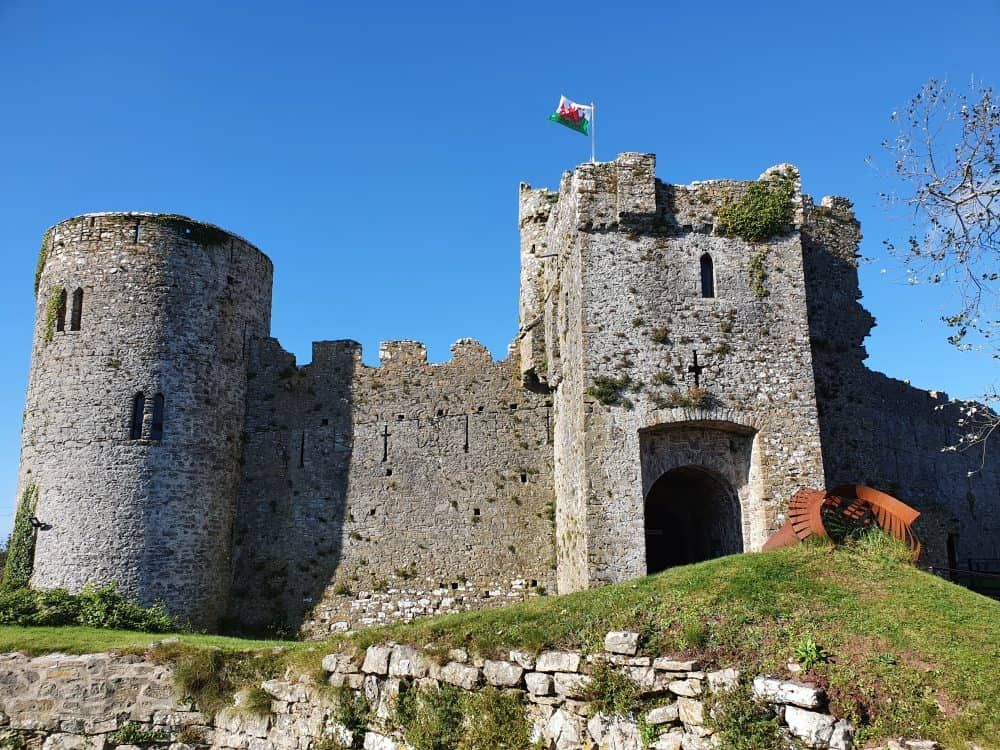
A fishing holiday in Northumberland in the late 70s got diverted for lengthy visits to Alnwick and Bamburgh castles while a French beach holiday in Brittany got hijacked for a visit to a dramatic mediaeval castle on vertiginous cliffs separated from the mainland by a narrow drawbridge.
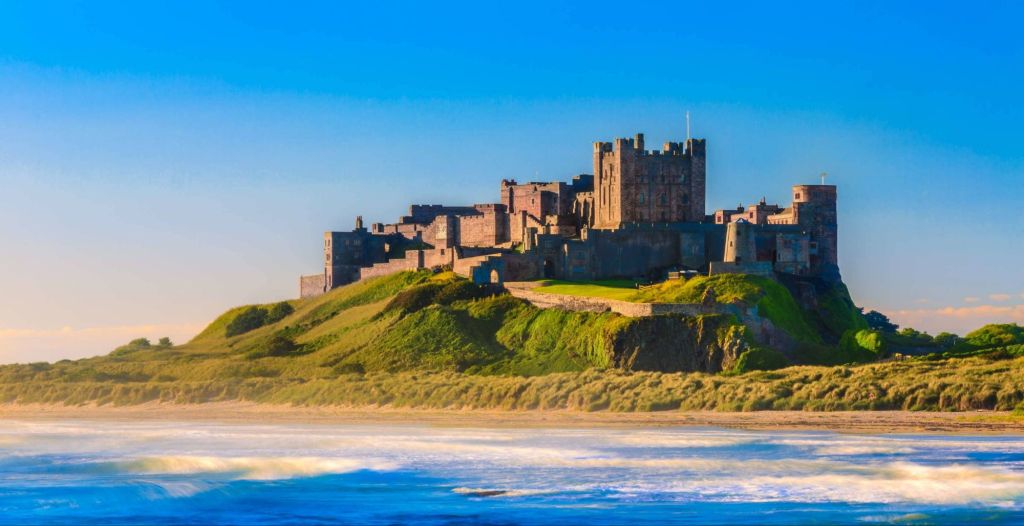
If we’d ever come on holiday to south west France, the chances are, I would have dragged them to see the magnificent crenellated stronghold of Carcassonne.
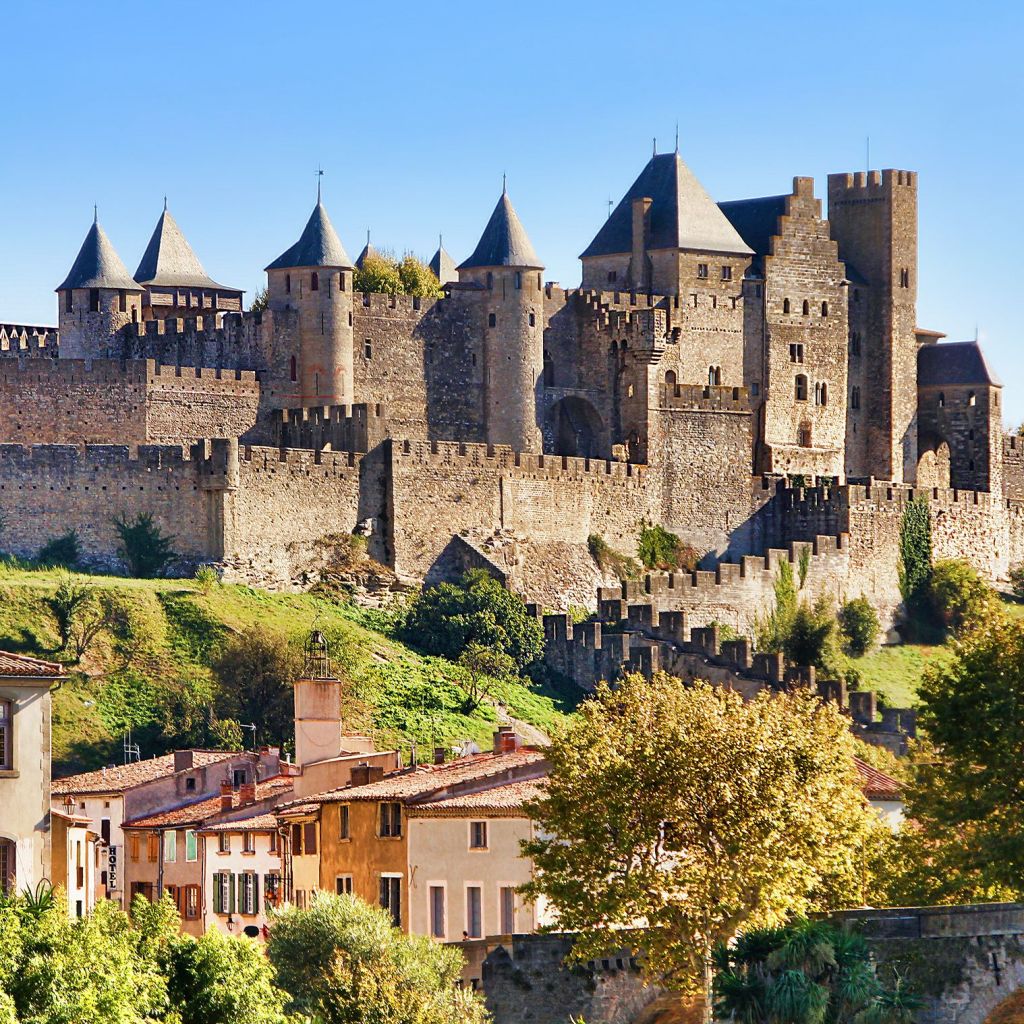
So with my childhood obsession with crenellated castles fresh in the memory, Carcassonne seemed an appropriate place to commence my walk towards the Atlantic coast at Hendaye.
Settled by the Romans, conquered by the Visigoths, acquired and fortified by the Trencavel family before being seized by the French monarchy in the aftermath of the Albigensian crusade, the fortified city of Carcassonne fell into ruin by the mid 19th century before being restored to its current glory by an enterprising antiquarian called Eugène Viollet-le-Duc.
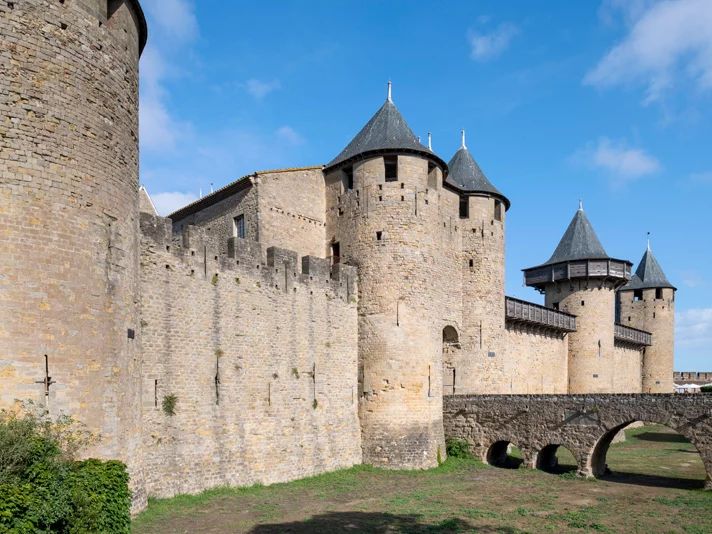
If truth be known, nowadays Carcassone is a bit of a tourist trap. Nobody lives in the medieval fortified city any more because it has been taken over by shops and restaurants selling T shirts, plastic swords and overpriced cassoulet to unsuspecting tourists who arrive each year in vast numbers. C’est la vie as they say!
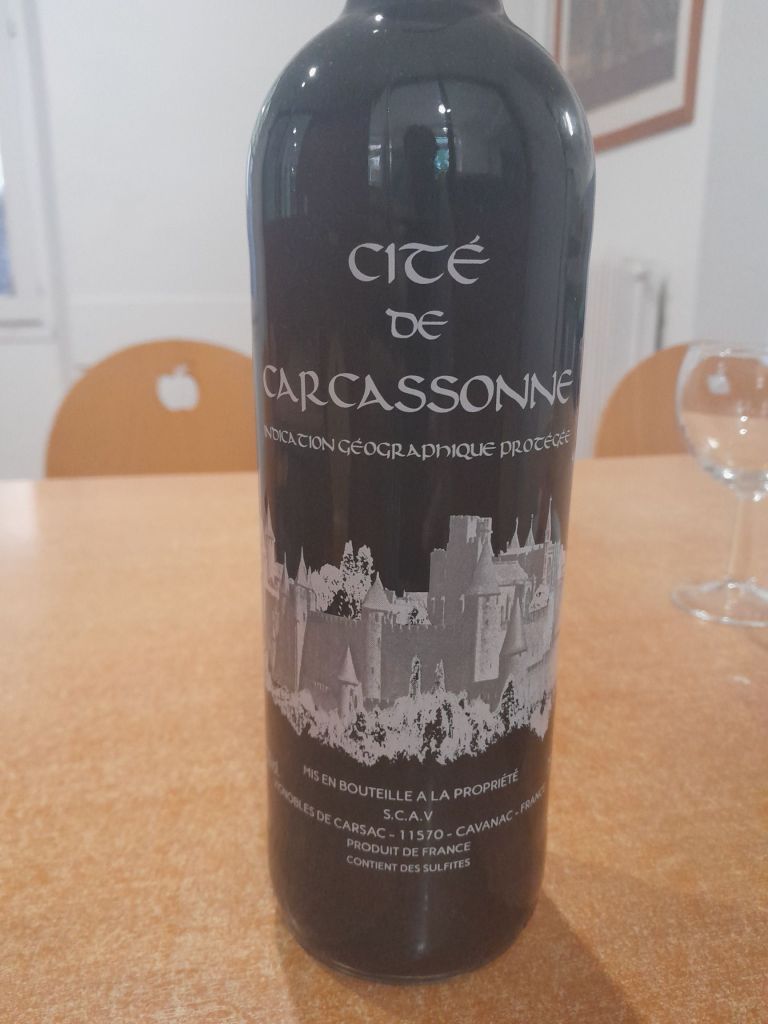
As for my part, happily esconced in a youth hostel in the heart of the mediaeval city, fortified by a bottle of local French red wine, a baguette and some camembert I was ready to embark on the 650km walk to Hendaye.
When you hit your 60s, you can never be 100% sure that your body is going to be up to the rigours of walking 650km in 3 weeks. It’s 45 years since I embarked on my first long distance walk on Offa’s Dyke but I’m under no illusions about my current capabilities. So I decided to play it safe on the first day and amble gently to Montréal.
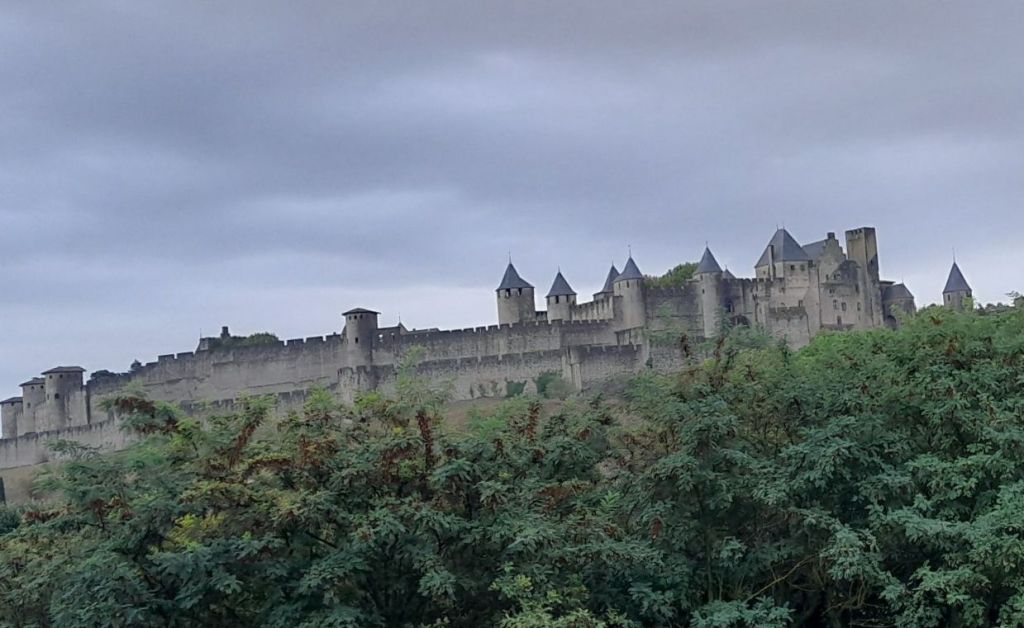
It was overcast and drizzling as I headed out of Carcassonne on the Pont Vieux shortly after 8am and walked along the banks of the River Aude. It was quite surprising to discover the extent of Carcassonne’s sprawling suburbs and I didn’t see open countryside for nearly 2 hours.
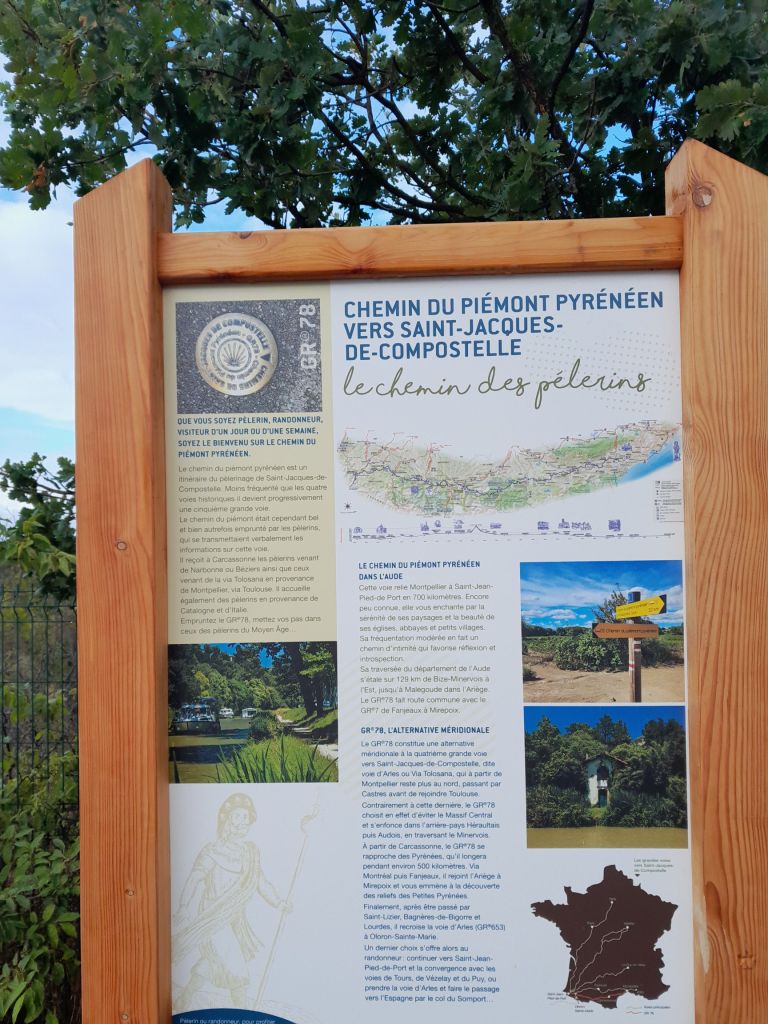
I reached the mediaeval village of Alairac at midday and proceeded to get completely lost! Apart from my own utter stupidity I lay the blame on the village’s circular layout which dates back to the 11th century. I must have walked around the village three or four times, getting some strange looks from some locals sitting in the village square before I finally located the path towards Arzens and made my escape!
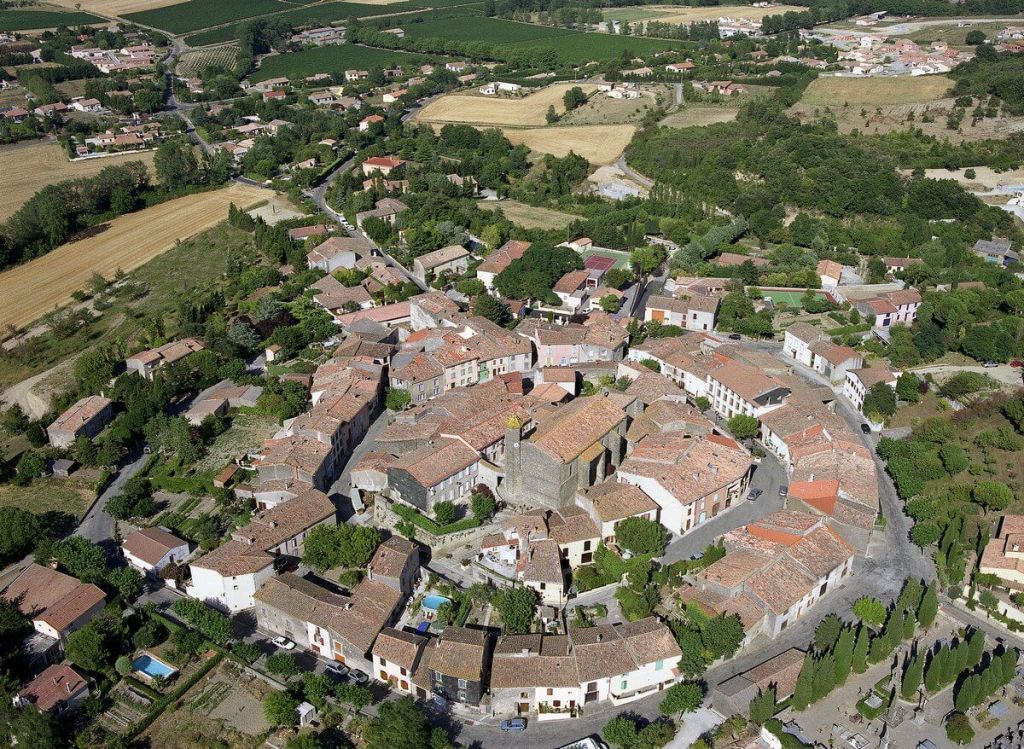
The village was besieged by Simon de Montfort in 1210 during the Cathar crusade which led to all the villagers escaping during the dead of night to avoud being captured and burnt at the stake.
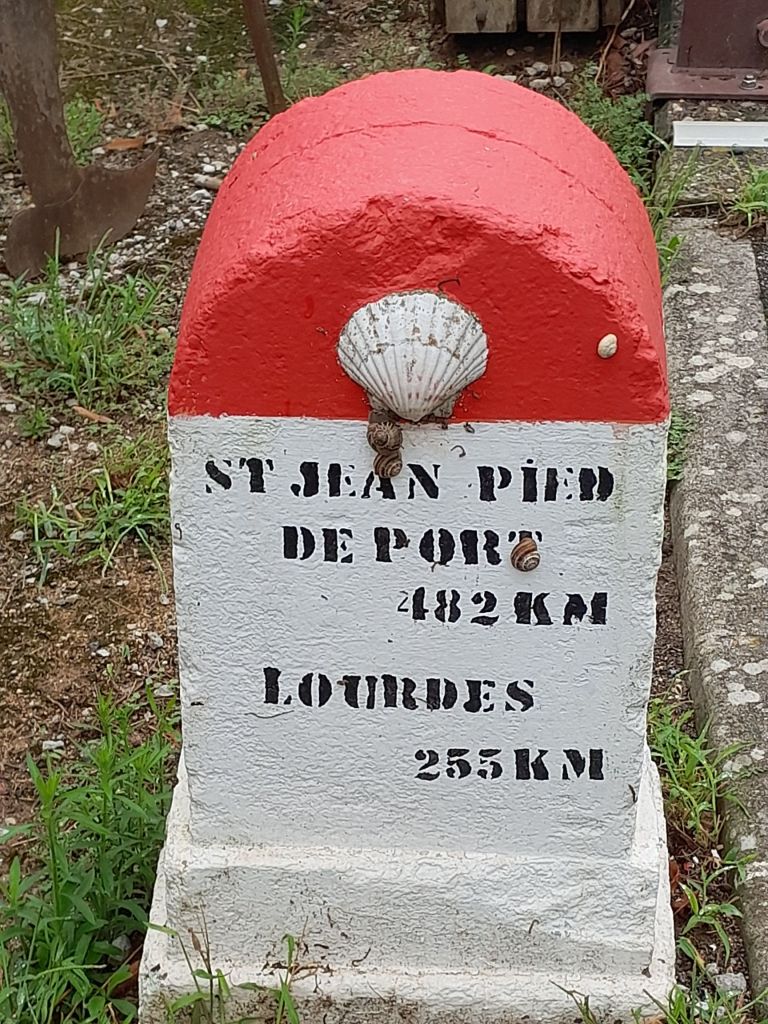
The drizzle stopped after midday, the clouds lifted and I made good progress walking through vineyards before reaching Montréal just after 2pm.
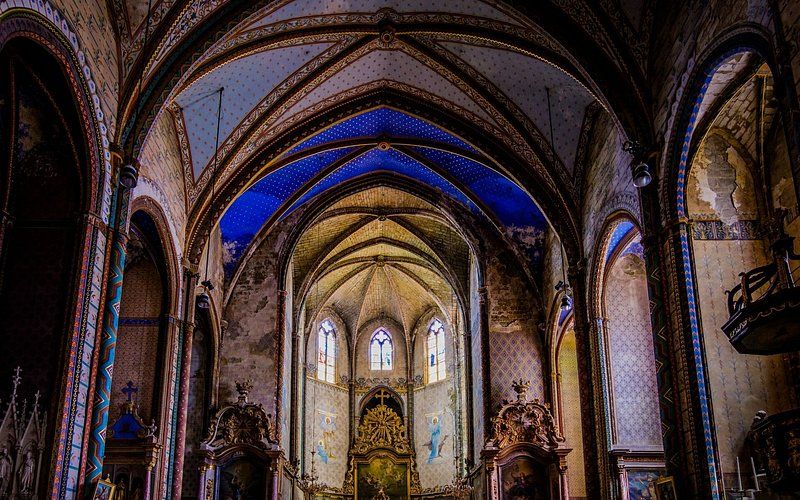
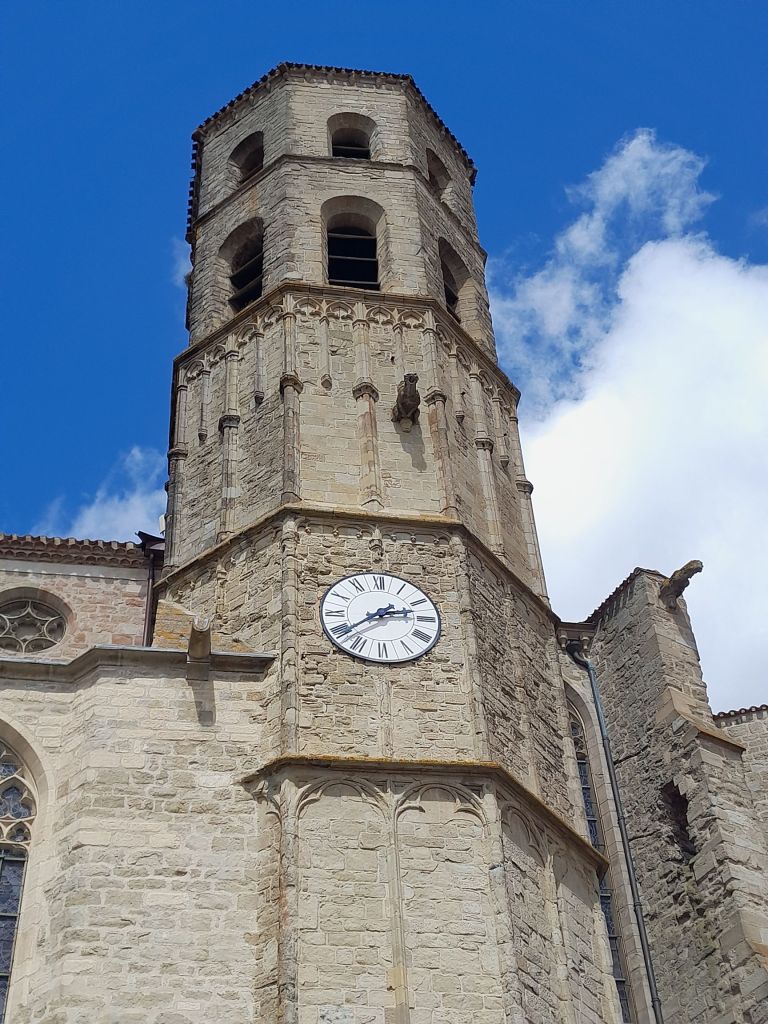
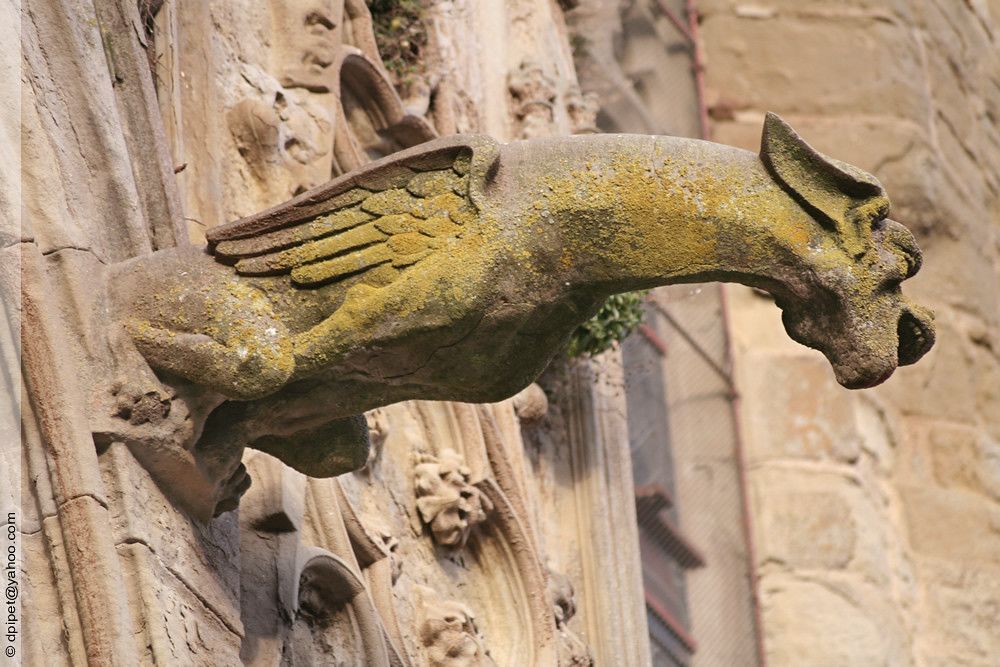
As well as a communal gite for pilgrims, Montréal boasted a well stocked supermarket and a magnificent church with spectacular gargoyles.
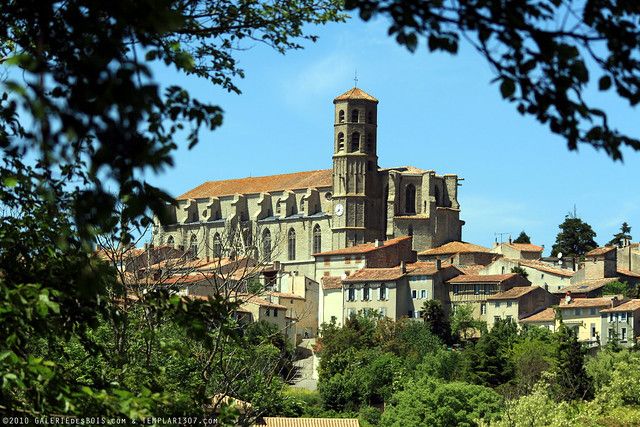
Dating from the 13th century the church of Saint Vincent took nearly a century to complete. What is slightly strange is that the magnificent church appears out of all proportion to the village of Montréal itself!
Montréal was another village that suffered greatly during the Cathar Crusade. In 1209, Montréal was taken and razed by Simon de Montfort´s troops. After the siege, the Lord of Montréal, was hanged, his sister was thrown into a well, 80 of his knights were executed and up to 400 Cathars were burned to death.
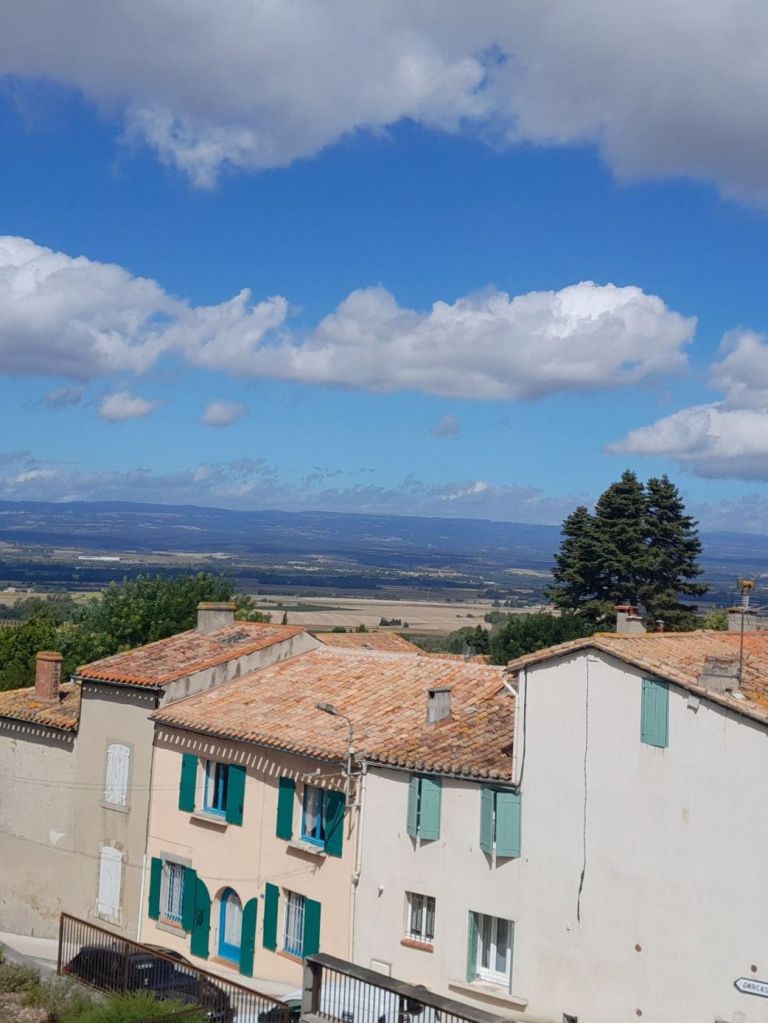
It had been a short day but a satisfying one. No noticeable aches and pains to report and no other pilgrims sighted. 26km walked – just another 625km to go!


 Pilgrim's Progress - Long Distance Walks in Europe and the UK
Leave a reply to mikepas53@aol.com Cancel reply