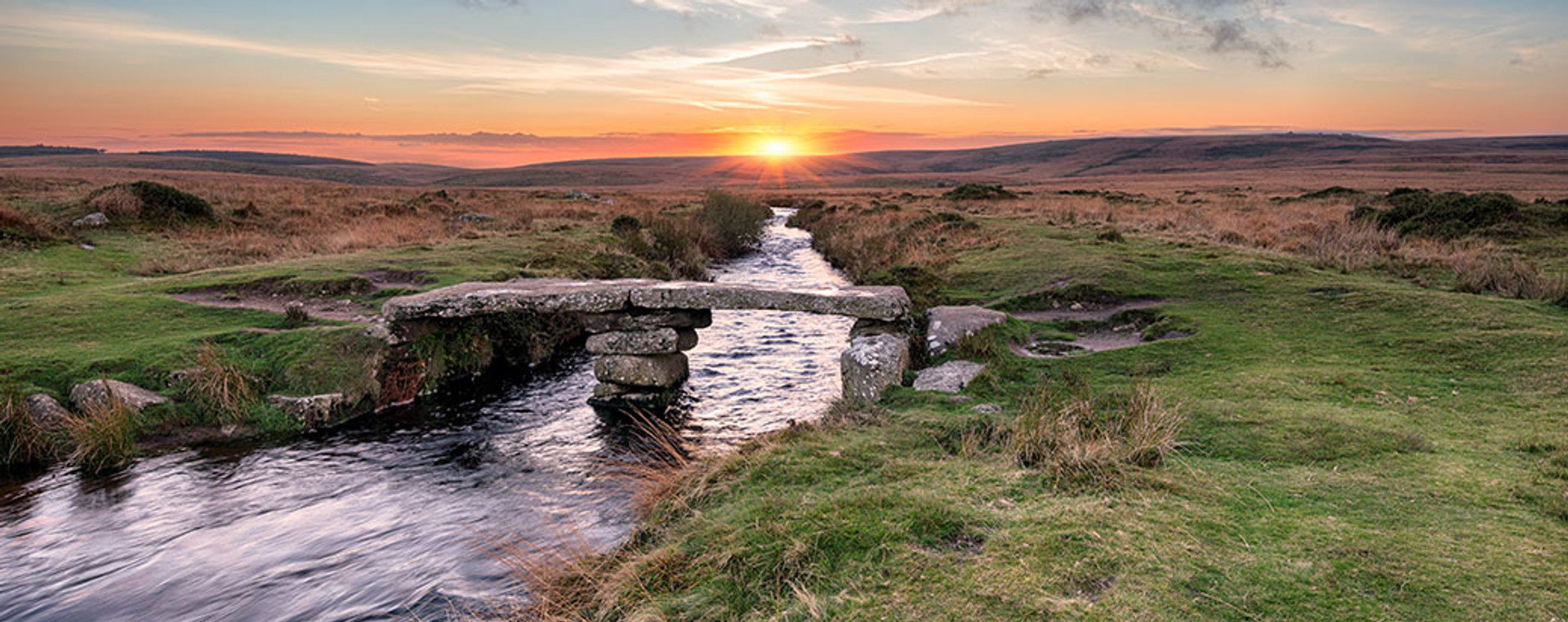
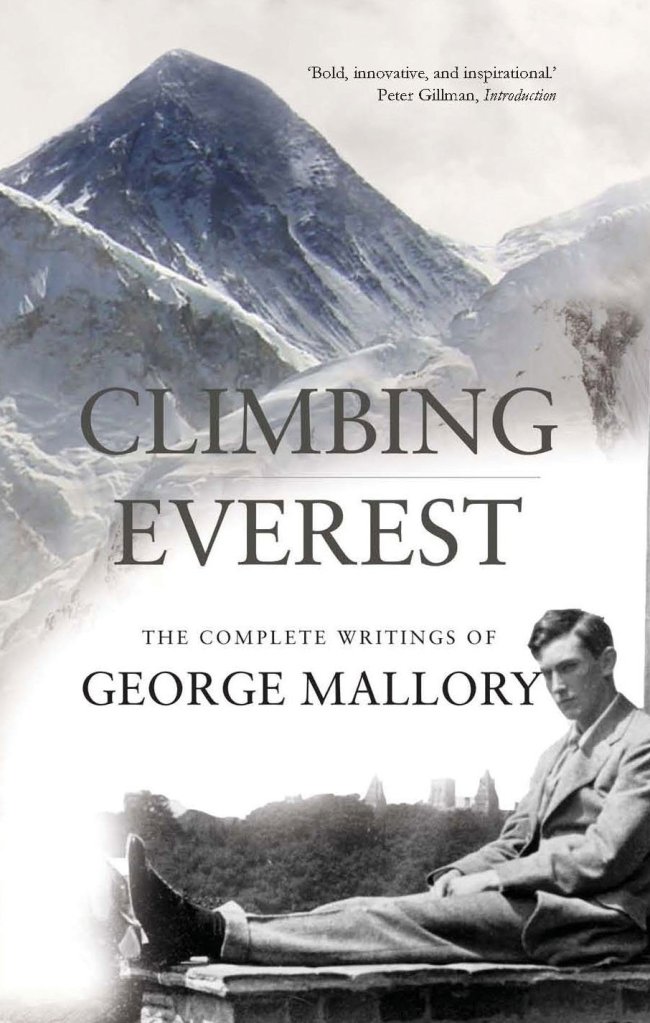
People ask me, ‘What is the use of climbing Mount Everest?’ and my answer must at once be, ‘It is of no use.’ If you cannot understand that there is something in man which responds to the challenge of this mountain and goes out to meet it, that the struggle is the struggle of life itself upward and forever upward, then you won’t see why we go. What we get from this adventure is just sheer joy. And joy is, after all, the end of life. We do not live to eat and make money. We eat and make money to be able to live. That is what life means and what life is for.
George Mallory – Climbing Everest
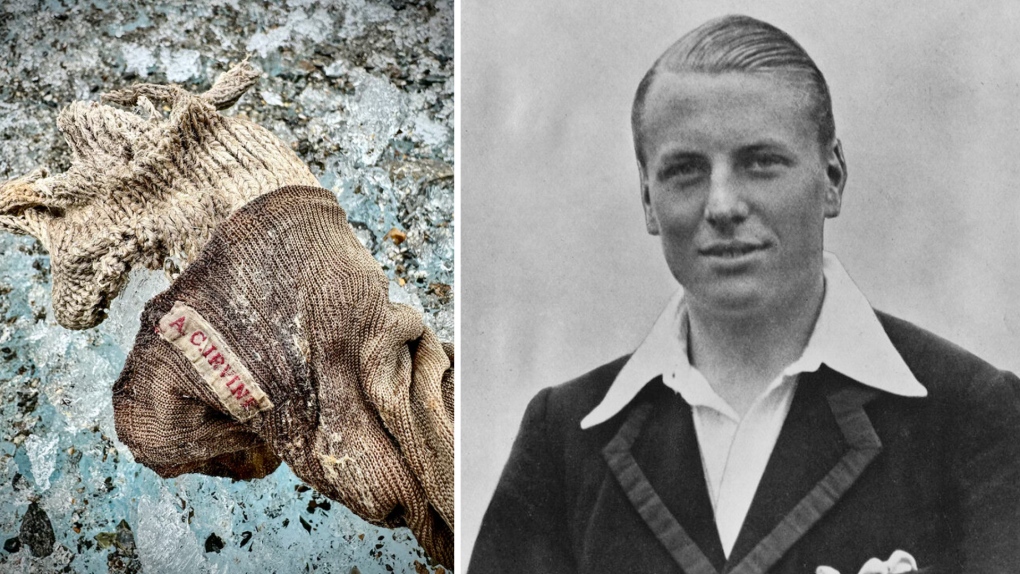
A few months ago , one particular news item caught my eye.
Entitled “Discovery of climber’s boot could solve mystery of who conquered Everest first” the article revealed that the remains of of Andrew ‘Sandy’ Irvine had been discovered on the slopes of Mount Everest. The discovery of a climbing boot and sock with Irvine’s embroidered name tag on it, raised fresh questions about whether Irvine and Mallory had indeed made it to the summit of Everest on the 8th June 1924 before perishing on the descent.
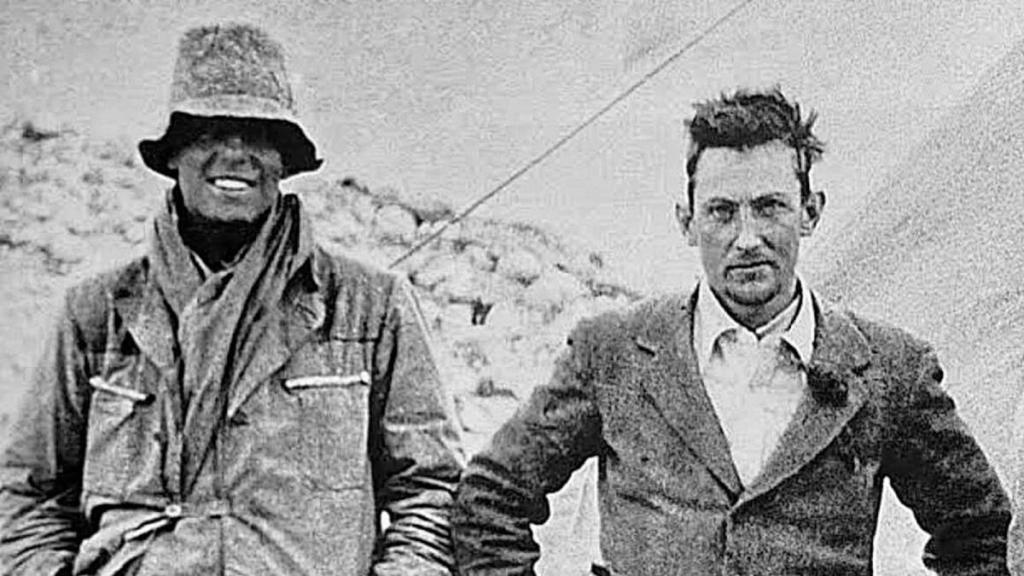
The body of Andrew Irvine’s climbing partner, George Mallory, was discovered in 1999 leading some to believe that he did reach the summit of Everest. Before embarking on the expedition he had vowed to leave a photograph of his wife at the summit if he succeeded in conquering the mountain. But no photo of his wife was discovered on his body in 1999, leading some to believe that he must have left the photo at the summit. Whether or not Irvine and Mallory did indeed make it to the summit of Everest some 30 years before Edmund Hillary is perhaps immaterial. Both will remain immortalised for their heroic attempt to conquer Everest and their spirit of noble endeavour encapsulated in Mallory’s famous quote about climbing Everest for the sheer joy of adventure.
I must confess to feeling a close affinity to Mallory and Irvine. Not because I am much of a mountaineer (an ill fated attempt to scale Aconcagua in Argentina in 1995 ended in ignominious failure!) or athlete (I finished last in Sen Steplecha in 1981!) but because of two more prosaic links to my school days.
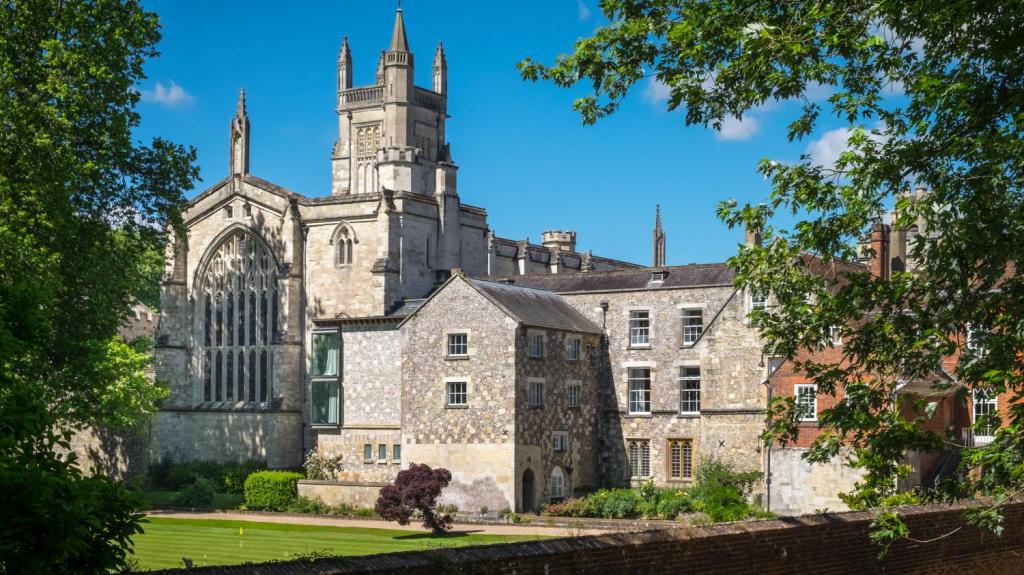
George Mallory attended Winchester College from 1900-1905 where he won a maths scholarship. My father followed in his footsteps as a scholar at Wincoll some thirty years later and I followed in his footsteps at Wincoll some 70 years later. The housemaster of College, the boarding house for scholars, was a chap called R.L.G Irving , an accomplished mountaineer and a member of the Alpine Club. It was he who in 1904 recruited Mallory for a trip to the Alps. It was this trip which spawned George Mallory’s love of mountaineering and ultimately led to his attempt to scale Everest in June 1924.
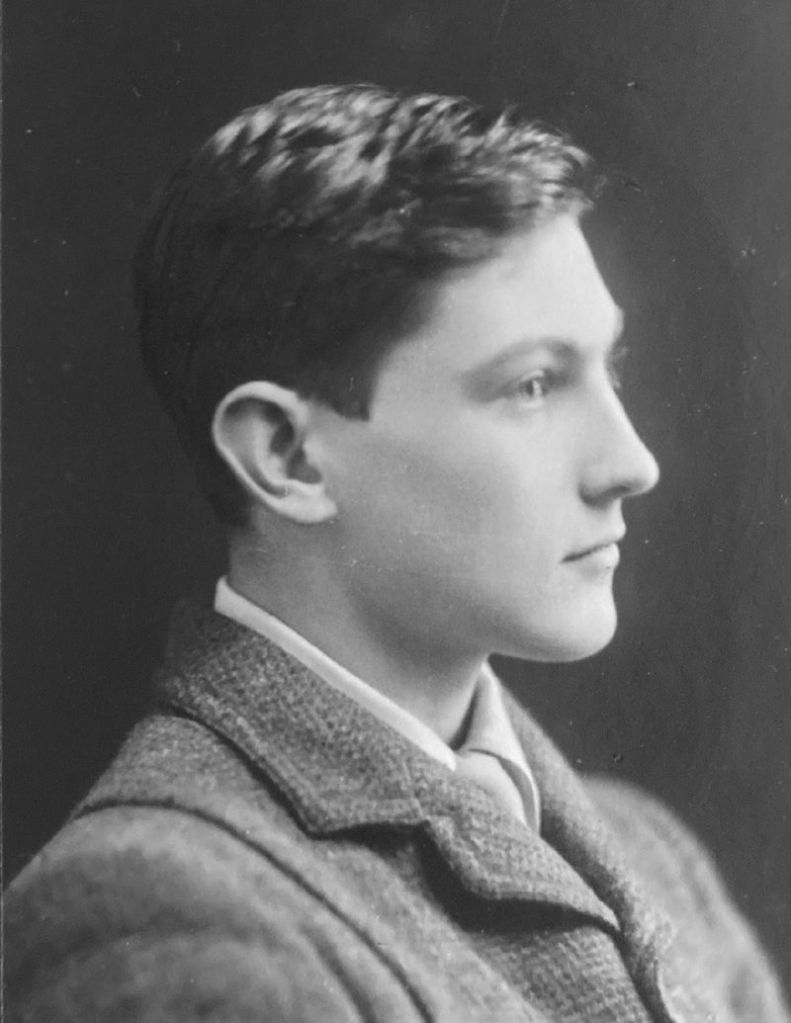
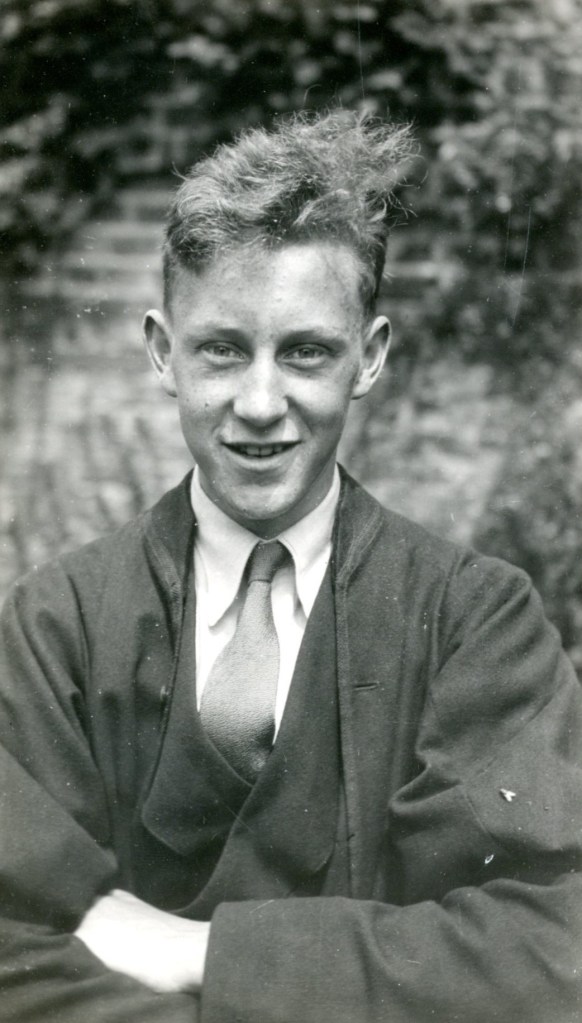
My connection with R.L.G Irving is simple – his son, Francis Graham Irving (1910-1977) was my French teacher at my prep school in Northants in the 1970s. He would doubtless have known both Mallory and Irving when he was growing up.
‘Figgy’ Irving, as we used to call him, had a twitch. It was always believed by us school boys to have originated when he heard the news of the death of Irvine and Mallory on Everest in 1924 when he must have been 14 years old. I never got to ask him whether the story was true or not or just a figment of schoolboy imagination. Sadly he died in 1977, the year after he helped me pass the Winchester Entrance exam. He left me with a love of the French language and culture and the appetite to discover France. At the time he appeared to be an amiable buffer with a wry sense of humour and a soft spot for Winchester College.
More recently, however, I learnt that this veneer hid a darker side to his character. In the memoir of the abuse that he suffered at his prep school in Northamptonshire in the 1970s (‘A Very Private School’) Charles Spencer recounts how a former pupil at his prep school (Maidwell Hall) l where ‘Figgy Irving’ was teaching in the 1960s, told him how ‘Irving once assaulted me from behind, and without warning, with a violent blow to the left ear during (the) after lunch reading period, nominally for “staring out the window”. I still have ear problems from the injury done, even now” (some 65 years later)
He died in obscurity. He had no children. I’ve been able to find nothing more about his life than his date of birth, marriage and death. Did he develop his French skills by accompanying his father on mountaineering expeditions in the French Alps? Was he always a school master? How did he end up teaching French at a prep school in Northants? His father, R.L.G Irving (1877-1969) had been at Winchester and New College in the 1890s and returned to teach French and maths at the school for his entire working life. A brilliant mountaineer and fluent French speaker, he spent much time climbing in the Alps. ‘Figgy’ Iriving may have accompanied him on some of his expeditions and would certainly have been brought up surrounded by French culture.
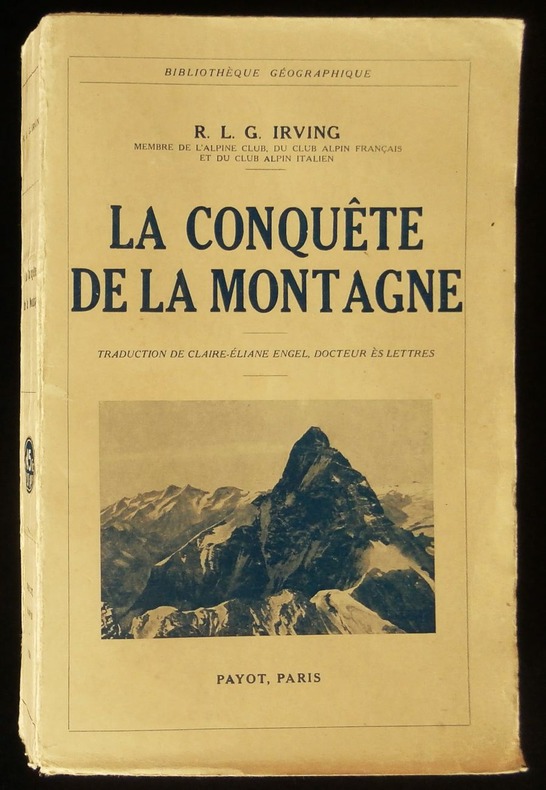
R L G Irving taught Maths and French at Winchester until 1937 when he retired. It’s an intriguing thought that he probably taught my father French at Winchester in 1936-7!
The news of the discovery of Andrew Irvine’s remains a few months ago seemed strangely significant. But, apart from the somewhat tenuous schoolboy links mentioned above, why?
Andrew Irvine and George Mallory, like Scott of the Antarctic are still celebrated today as the epitome of understated British pluck and courage. F.G.Irving, an obscure French teacher at a prep school in Northamptonshire in the 1960s and 70s merits not even a footnote in history. So what, if anything, has all this got to do with me, walking and retirement in south west France?
So where to start? Well how about 20 years ago on Boxing Day 2014 to be precise. A day, which seems like yesterday, when I narrowly avoided going to “meet my maker”. Confused? Read on.
I was on holiday with an ITV journalist in Sri Lanka, and had it not been for a chance encounter in the Galle Face Hotel in Colombo a few days before Christmas, I wouldn’t be sitting here today writing this blog. Its a sobering thought. Life is short and you never know what is around the next corner! Its never to early to start chipping away at that bucket list.

Since returning home a few months ago from my walk from Lake Geneva to the Med, I’ve been wondering about what challenge to embark on in 2025. Various ideas for walks have been researched and rejected, mostly because they aren’t sufficiently challenging. But one idea has kept nagging away at me like an obdurate ear worm.
The news about the discovery of Andrew Irvine’s remains on Everest tipped the balance in favour of embarking on a challenge of my own in 2025. Not scaling Everest (which up to 500 people achieve each year), but something far more esoteric and within my capabilities. A walk that has only, to the best of my knowledge been completed by two people – and both of them were French.
The challenge? To walk from the most northerly to the most southerly points of France (a distance of just under a 1,000km as the crow flies but more realistically a walk of 1,700 -1,800km following long distance footpaths and pilgrim routes across the length of France.
Crossing France from North to South
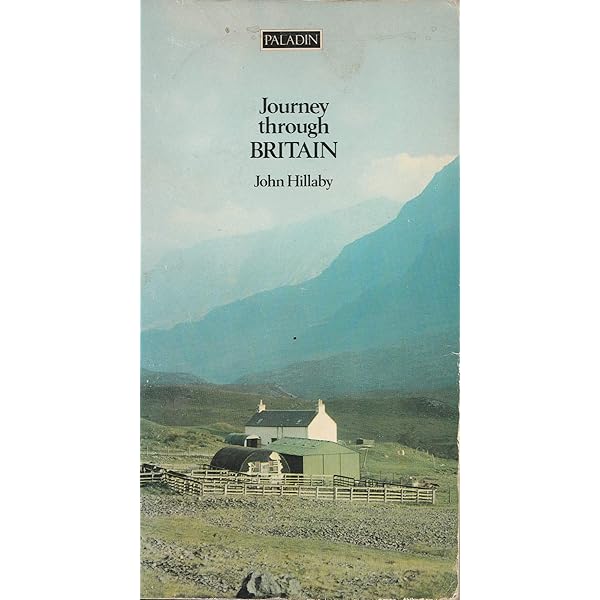
For many years I’ve been intrigued by the thought of walking the length of France (as well as walking the length of the UK). It dates back to myself ass a teenager in the late 70s reading John Hillaby’s epic account of his 2,000km walk from Lands End to John O’Groats in the late 1960s. A few years later he followed this up with a 2,600km walk through Europe from the Hook of Holland to Nice. Carrying a 20kg back pack and navigating with maps, this was no mean feat in the pre mobile phone and internet era.

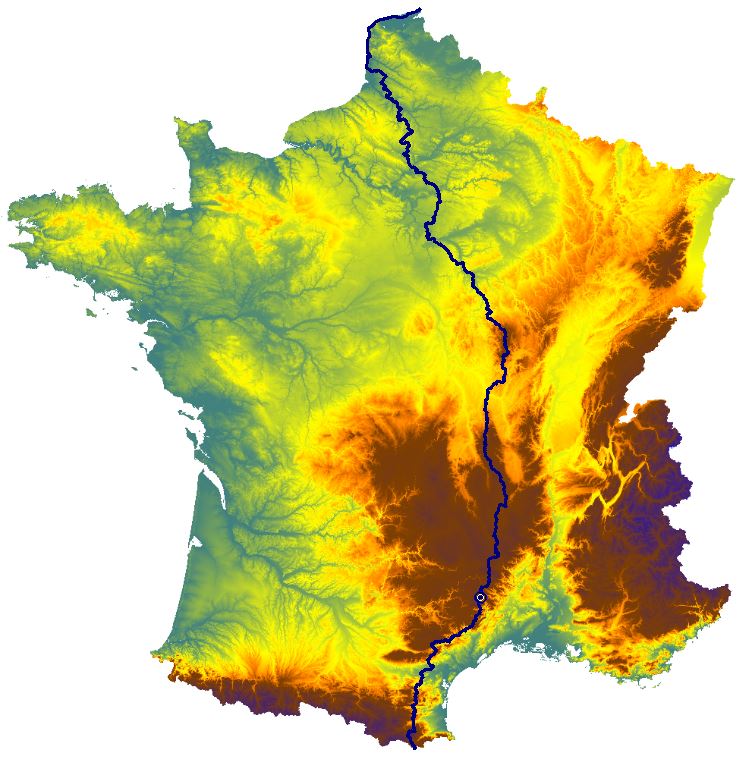
If you were to swing the challenge of walking between the two most northerly and southerly points of France past the average Frenchman you would almost certainly be met with a look of complete bafflement. Mention the communes of Bray-Dunes (on the Belgian border) and Lamanère (on the Spanish border) and you will doubtless be greeted with a Gallic shrug of the shoulders. None but the most dedicated student of French geography is likely to know that these two communes are the most northerly and southerly points of France. Ok, they exist, but why on earth bother walking between them? It’s a fair enough question!
The four most extreme points of France

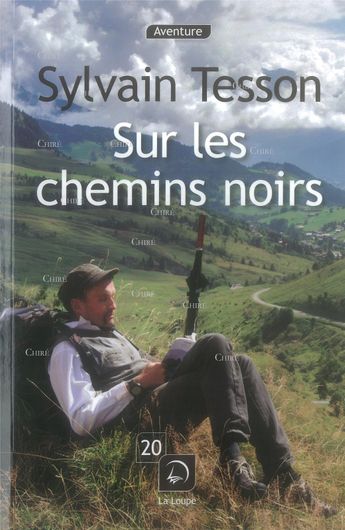
Sylvain Tesson, one of France’s most eminent travel writers, embarked in 2016 on a 1,000km walk from the Mercantour on the Franco/Italian border to the Cotentin in Normandy. He described his adventures in a book called “Sur les chemin noirs”. The book was so successful that it was made into a film. But as for walking from Bray-Dunes to Lamanère, the book has yet to be written and the film has yet to be made….
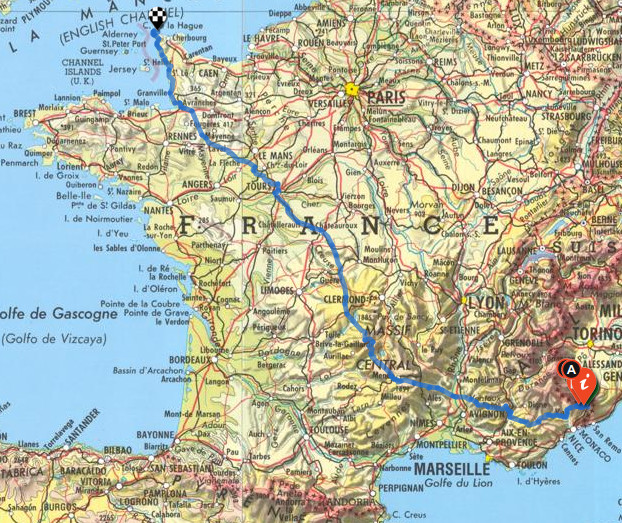
You would have to be a peculiarly geeky geography student to know that both Bray-Dunes and Lamanere are on the same line of latitude – 2 degrees east. France has the distinction of being the only country in the world whose most northerly and southerly extremities are on the same line of latitude!
Bray-Dunes and Lamanère are both on the same line of latitude- 2 degrees East
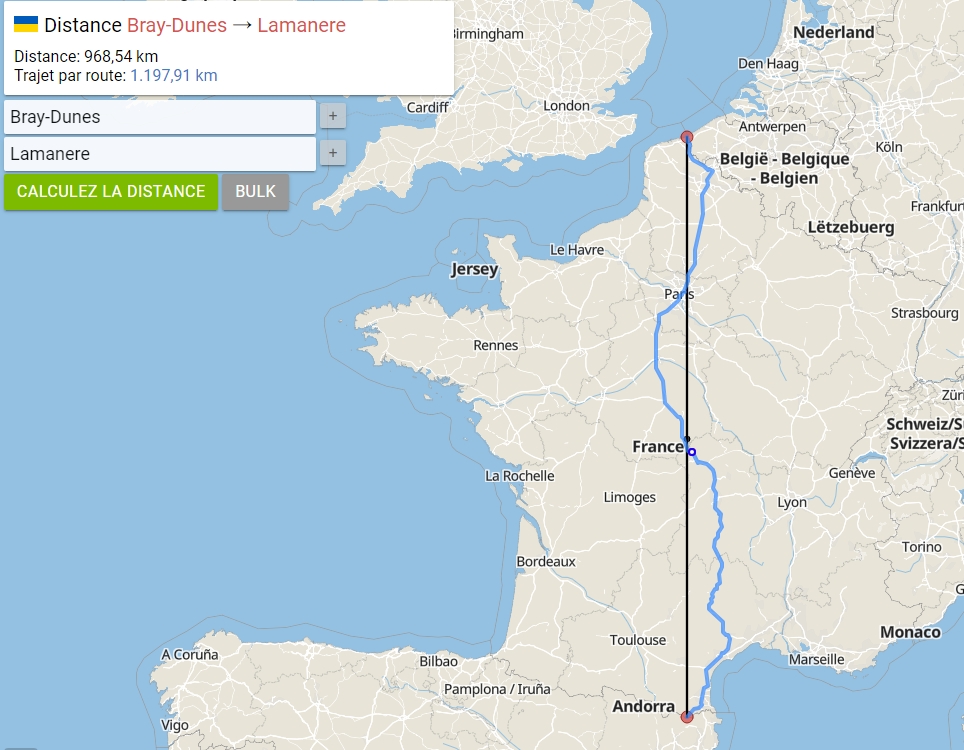
Of course, if I was really adventurous, I would attempt to replicate in France the walk the length of England that Nick Crane accomplished in 1999. He followed the line of longitude (the prime meridian -2 degrees west) from the most northerly point in England (Berwick-on-Tweed) on the border with Scotland, through the wilds of Northumberland, he Yorkshire Dales, Pennines, Birmingham suburbs, Cotswolds, Salisbury Plain, Dorset and ended up in the Isle of Purbeck! However, rather than trying to walk directly from north to south along the 2 degree east line of latitude, I prefer sticking to pilgrim paths, getting a decent night’s sleep in a proper bed and not risking the wrath of local landowners by trespassing over their land!
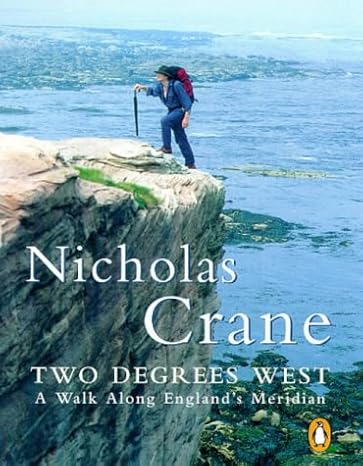
Research on the internet suggests that only two Frenchmen have ever succeeded in walking between the most northerly and southerly points of France. The first chap to complete the challenge was a 66 year old retired journalist called Daniel Cattelain who walked 1,553km in 75 days between the two extremities of France in 2014.
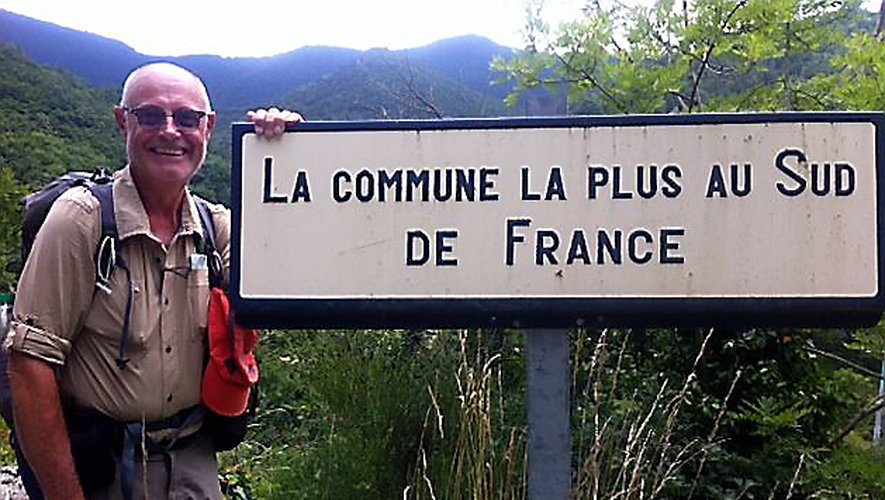
The only other person I can find who has completed the walk is a chap called called Patrice Dubois and did so in 2014 and 2016. Starting from Lamanere and finishing in Bray-Dunes, he covered around 1,800km in 74 days. This was 250km further than Daniel Cattelain due to the fact that he chose to follow established long distance footpaths rather than take a more direct route which would have involved more walking on busy main roads.
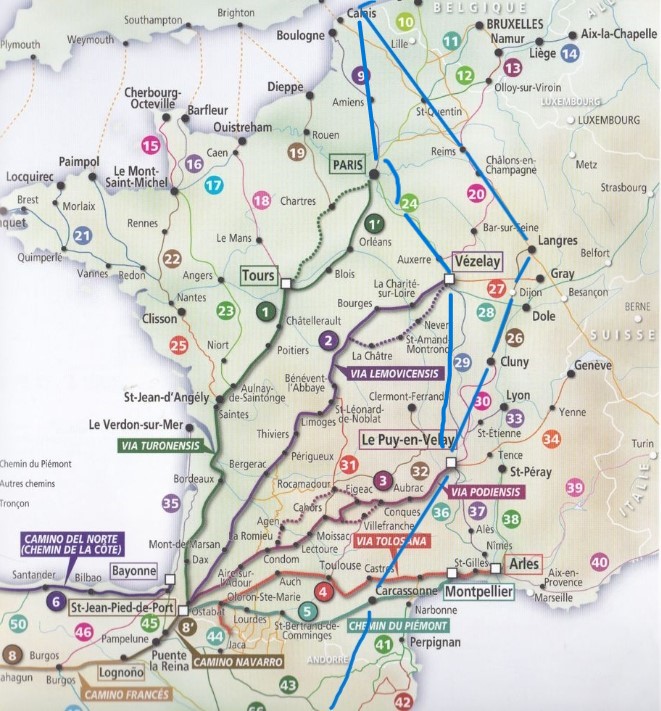
There is no prescribed route which dictates how you get from the most northerly to the most southerly extremities of France. Patrice Dubois’ route was slightly over 1,800km whereas Daniel Cattelain’s route was a lot shorter at around 1,550km.
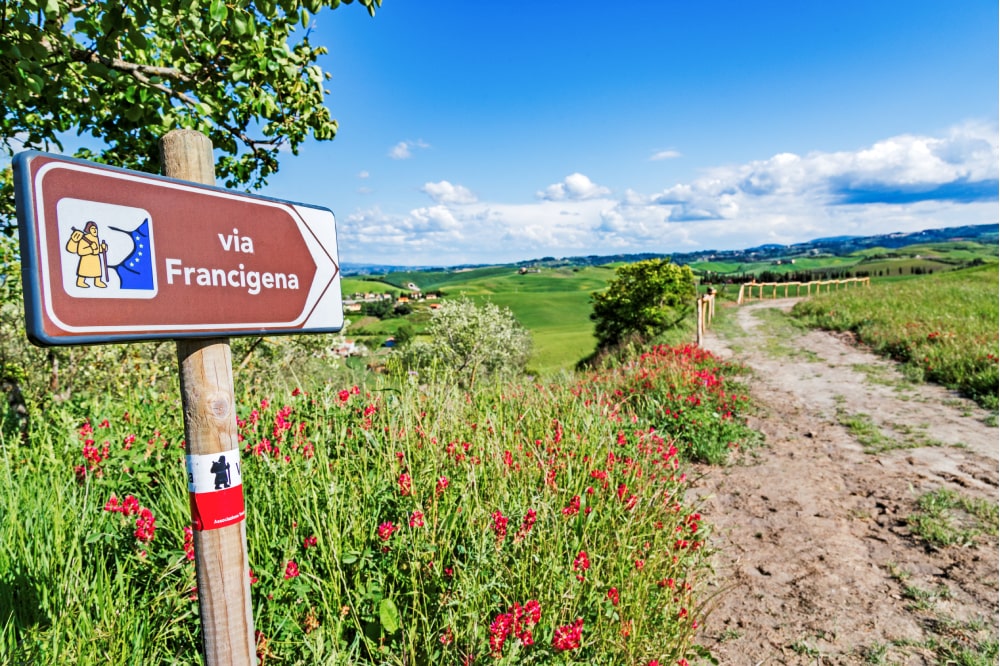
I’m considering two options. The first (1,775km) would follow some of the route I walked in 2021 on the Via Francigena. The other option is to follow a slightly shorter route (1,710km) which would take me towards Paris before following the pilgrim route (Via Senonensis) to Vezelay and then the Voie de Vezelay to Le Puy-en-Velay. At this point I’m inclined to follow some of the route I took in 2021 for the simple reason that pilgrim accommodation is a lot easier to find and I won’t have to carry a tent and camping equipment with me. 80% of my route will be covering virgin territory.
Following pilgrim routes
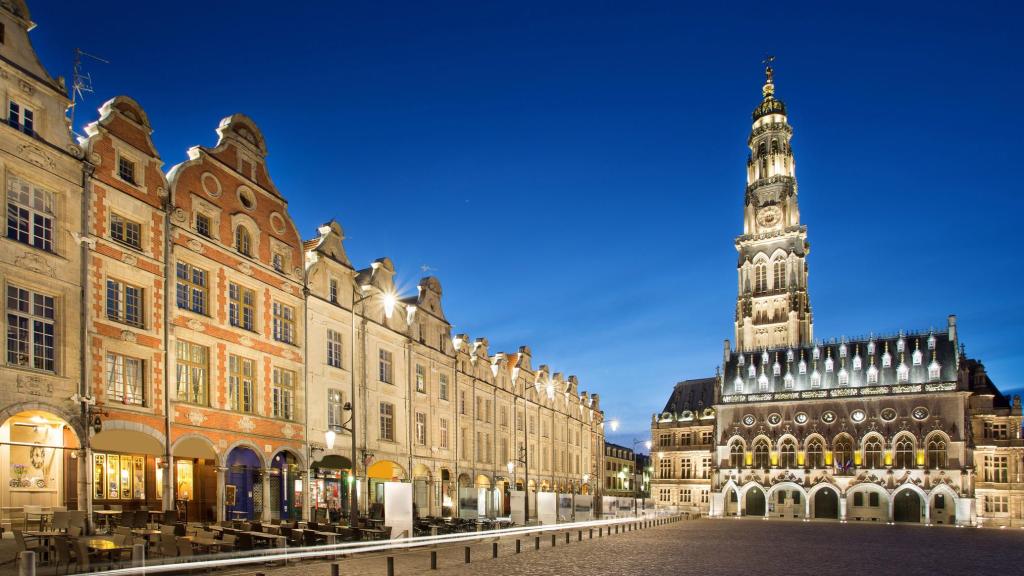
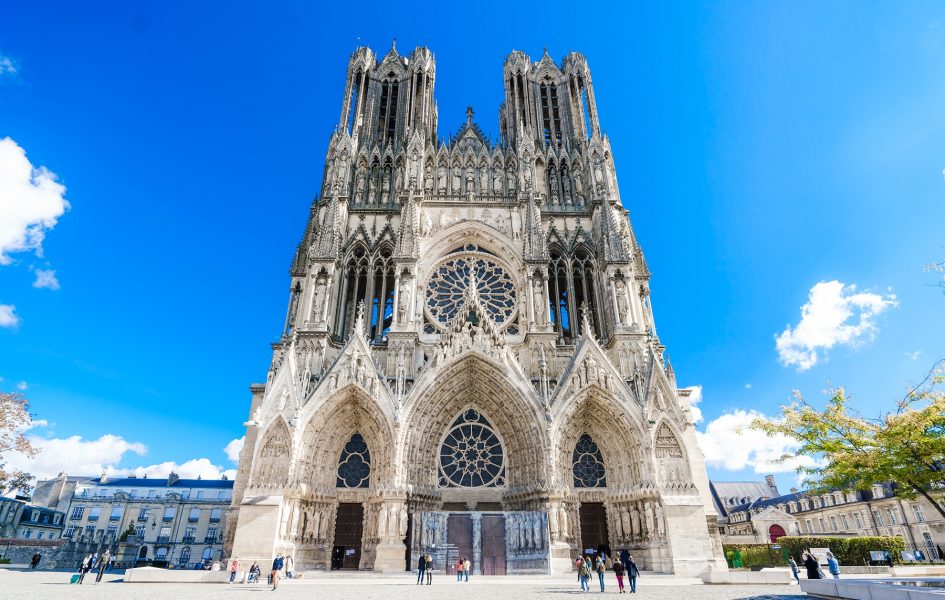
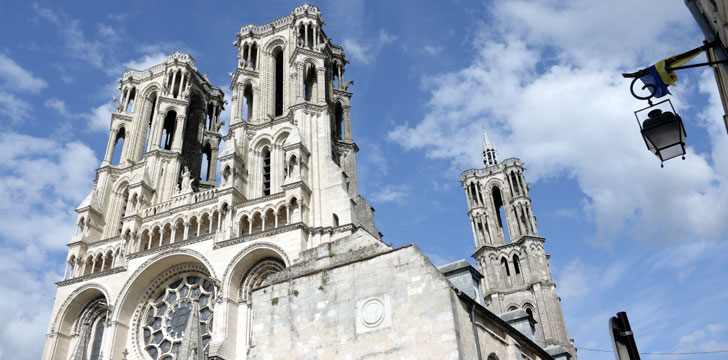
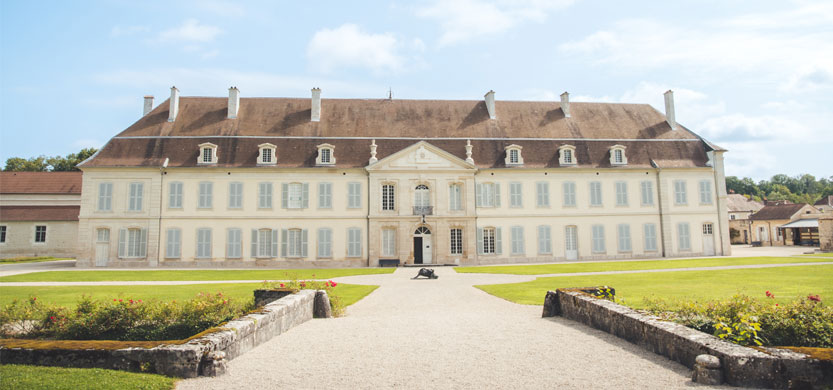
From Bray-Dunes I’ll take the GR120 to Bergues before heading south along the Dunkirk-Escaut canal to Watten and St Omer. From there I’ll join the Via Francigena (GR145) at Liettres and follow it for 630km to Auberive, passing through Arras, Rheims, Chalons-sur-Champagne, Laon and Langres. From Auberive I’ll head south on the GR7 and follow this route through the Massif Central down to the Pyrenees, finally reaching Lamanère via the GR36.
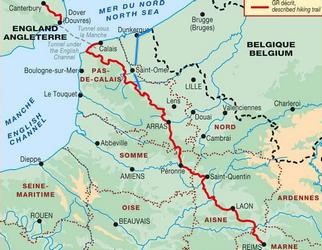
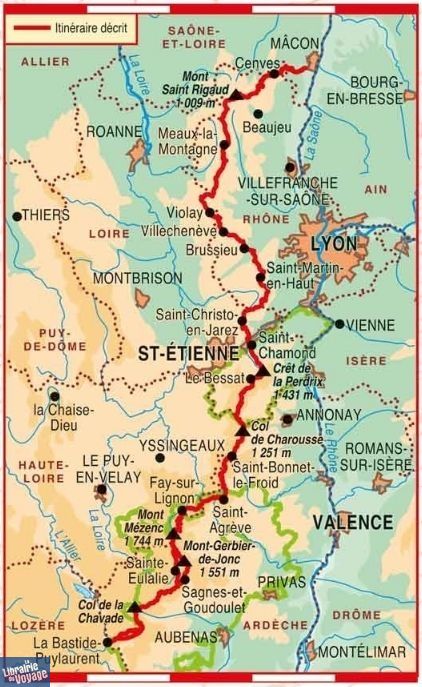
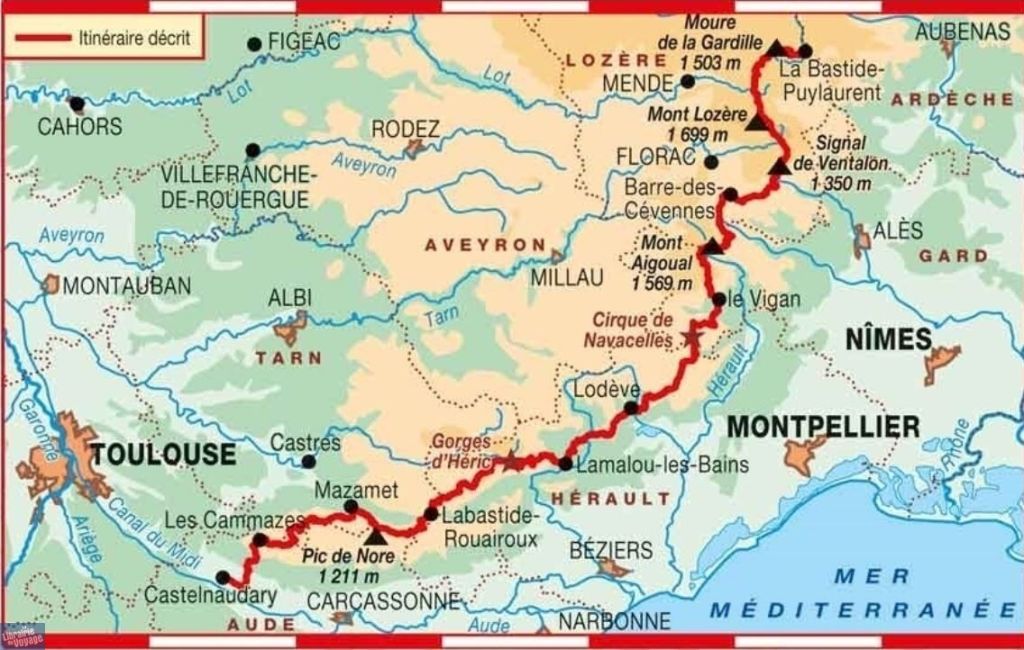
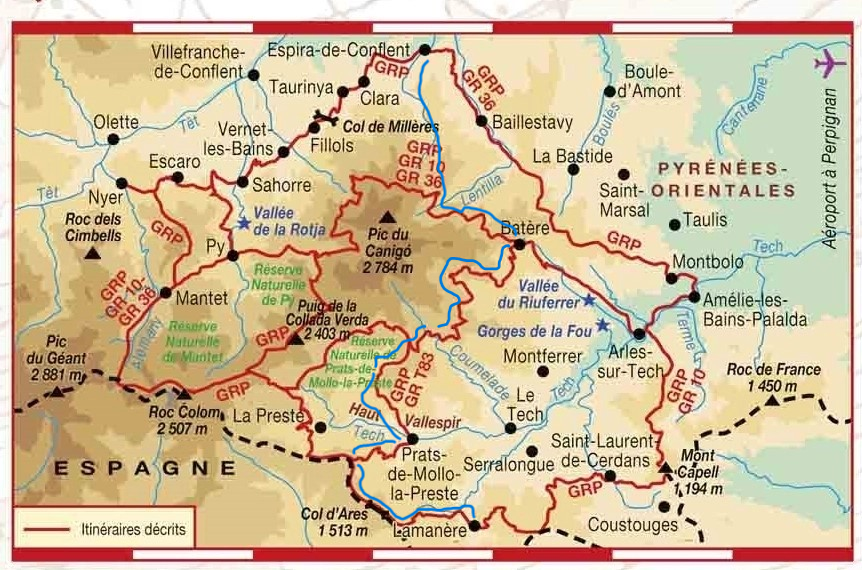
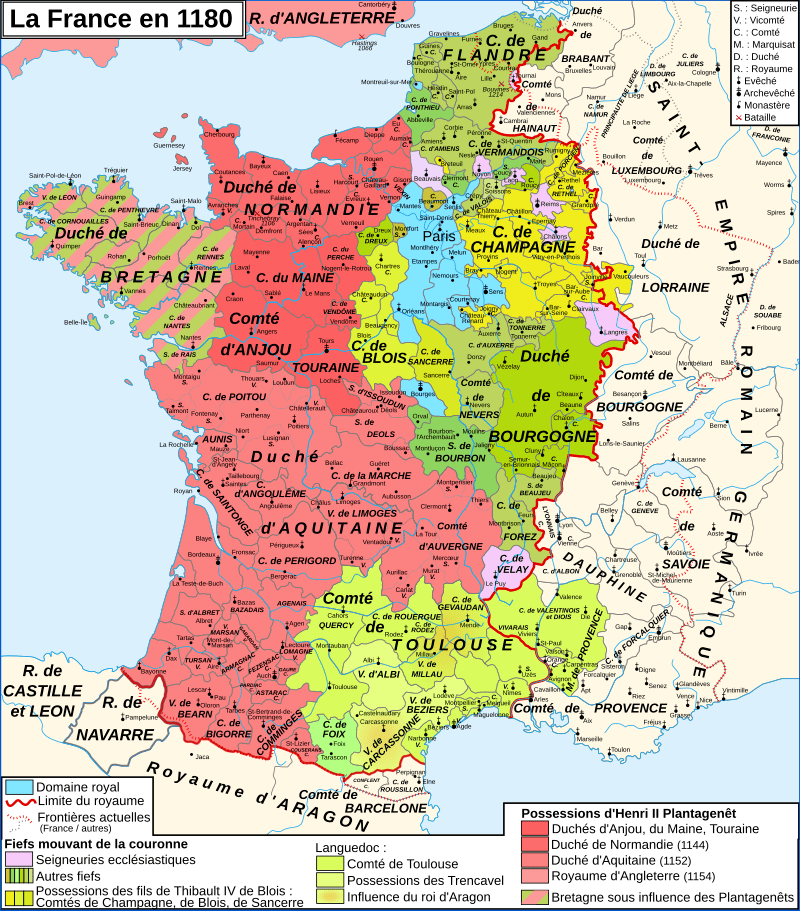
History, geology, oenology (drinking wine!) and using every opportunity to practise my French are amongst the interests I enjoy while walking. So its time for a few maps! Either of the two French routes will take me through the bits of France that were never English possessions during the height of the Angevin Empire in 1180AD. The winter months will offer ample time for added research into the history of the areas I will be passing through including the counties of Champagne,Burgundy, Velay and Toulouse.
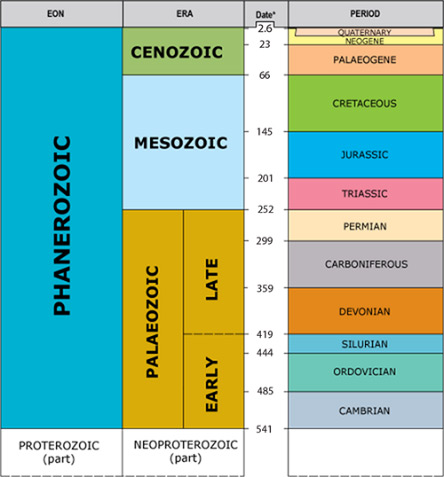
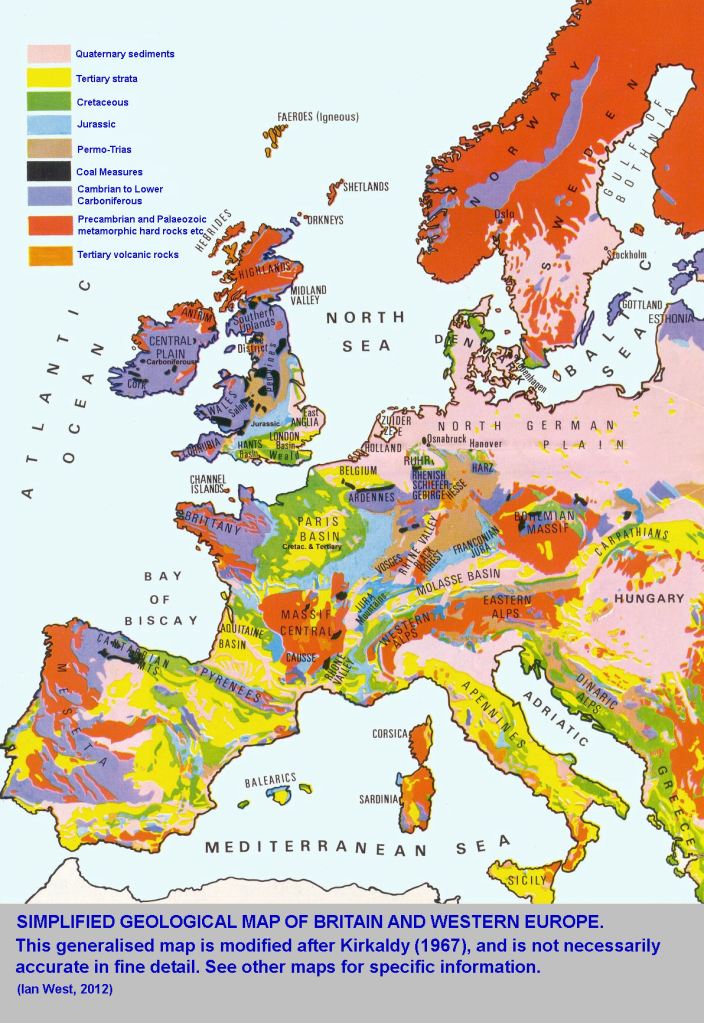
Time also to do some research into the geology of France and how it compares to the UK!
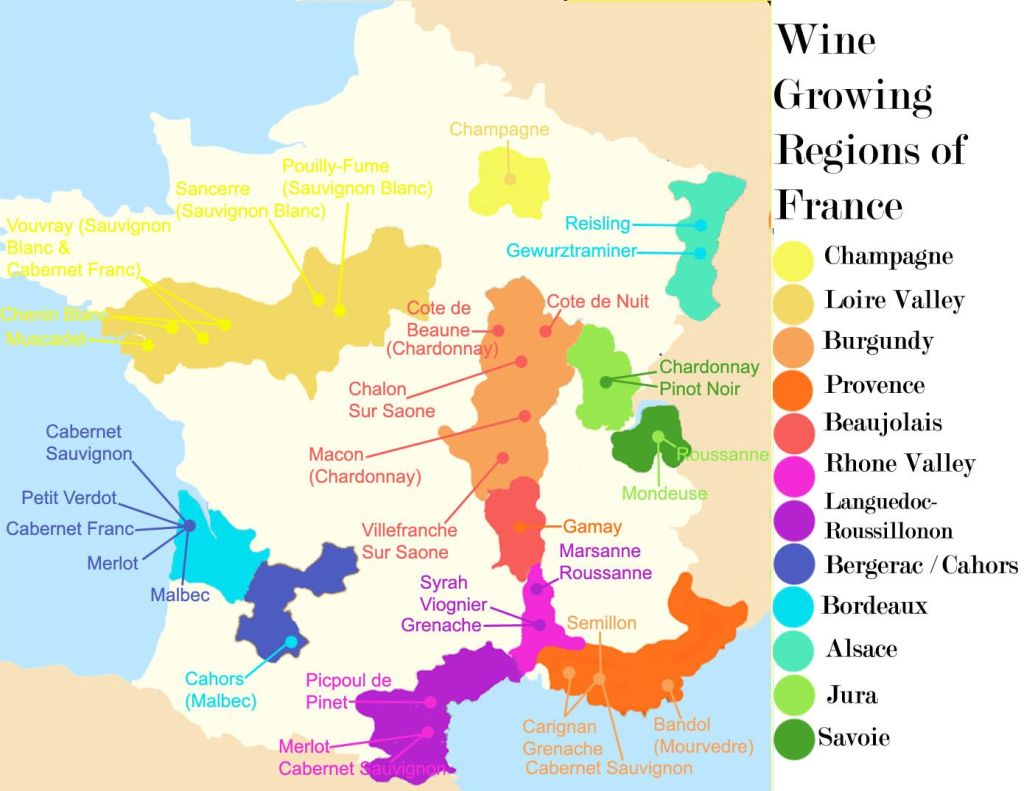
And as for wine – well I am sure that there will be ample opportunities to sample the local vintages while en route. How many different wine varieties can I sample during the walk and do I need to prepare tasting notes over the winter months!
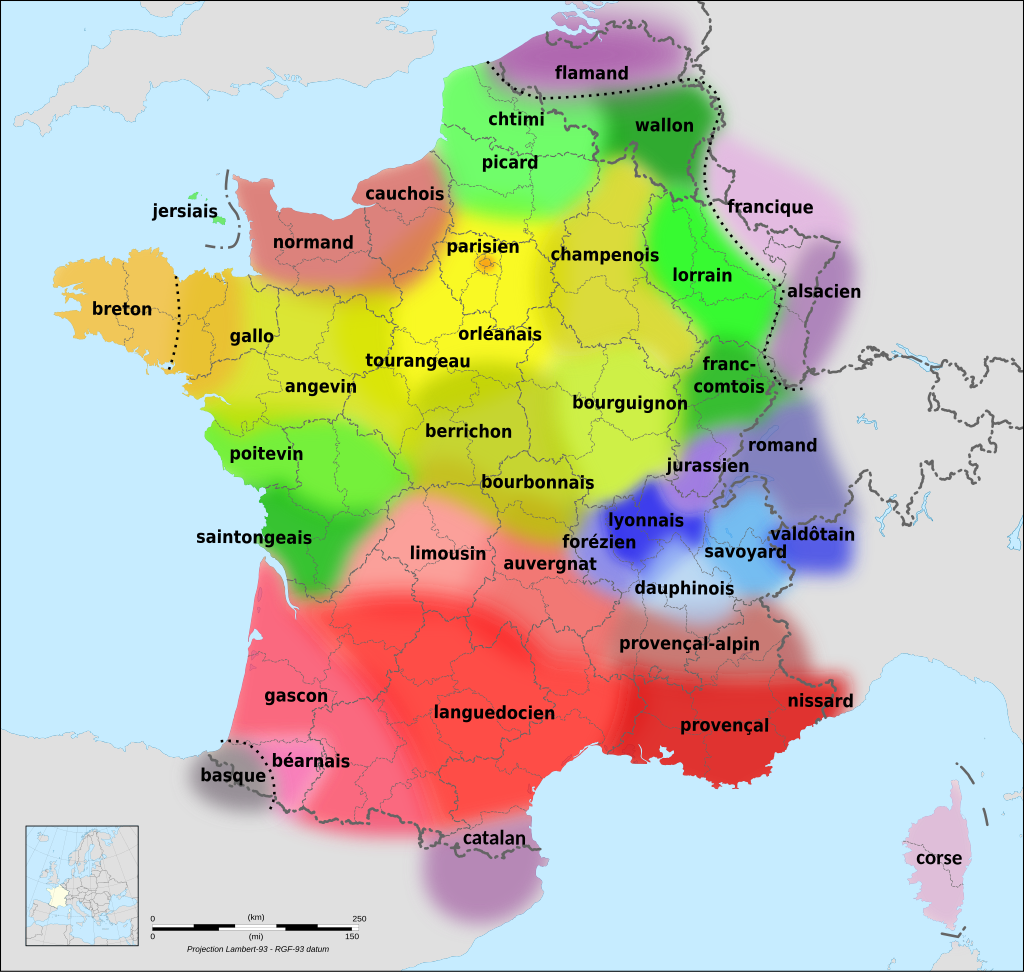
Hopefully I will get ample opportunity to improve my French while on the walk. Who knows, I might also pick up a bit of local patois while en route! Hé, biloute ! (“Excuse me Sir” in Ch’ti!)
So when do I plan to set off on my walk? How long will it take? How many kilometres will I cover? Depending on which of the two routes I take a back of the envelope calculation suggests something in the region of 1,700-1,800km (1,060 -1,125 miles) and around 50 – 60 days to complete the walk across France. I certainly won’t be able to do it all in one go so plan to divide it into 4 separate walks starting off from Bray-Dunes in mid April and finishing in Lamanère at the end of September.
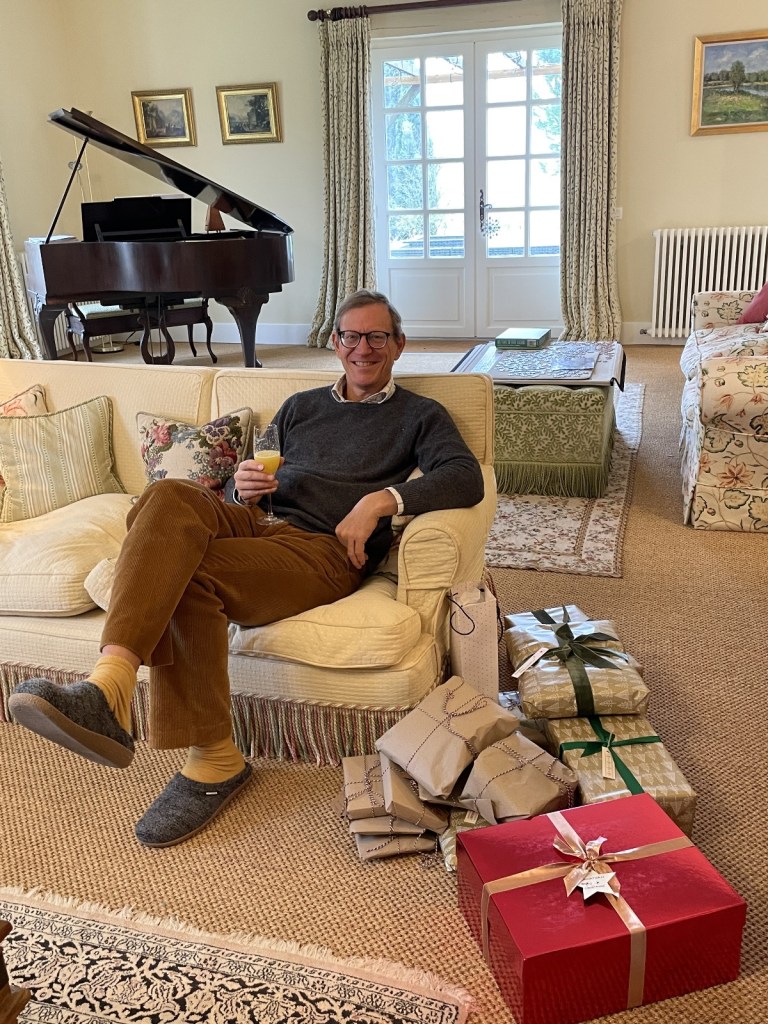
With a month of alcohol abstinence (dry January) under my belt and a regime of twice daily dog walks, I should be just about over the post Christmas blues and ready to swap my carpet slippers for a new pair of walking boots by mid April, all set to head off into the unknown from Bray-Dunes.
There should also be ample time over the next few months to design a nifty T-shirt advertising the walk and e-mail all the village Mairies on my route to see if any kind hearted locals would be interested in putting up an intrepid Brit for a night!
I’m not sure what my old prep school French master, Mr Irving, would have made of it all. “Monsieur Dutton, avez-vous perdu la tête?” he might have quipped with a wry smoke ensconced smile from behind a dog eared copy of ‘The Racing Post’!
I’d be fascinated to learn more about Figgy Irving’s life. What happened between growing up in the Master’s house in Winchester College before the Great War to teaching French in a Northamptonshire prep school in the 1970s? Who knows. In the mean time I’ll be happy to honour his memory, as well as his father and George Mallory, and attempt to walk the length of France this year. For me, it will be like climbing Everest! Following in the Footsteps of Giants.
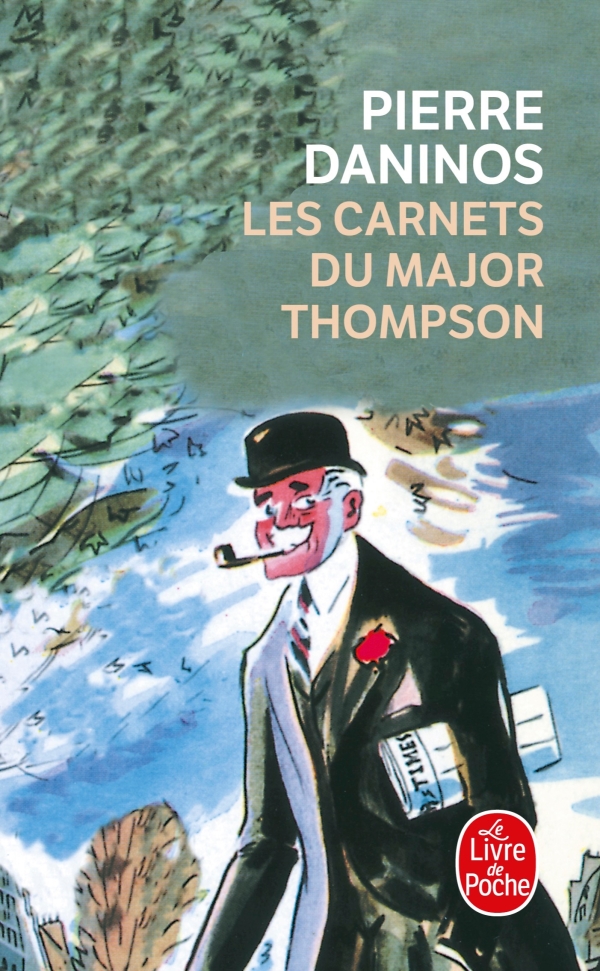
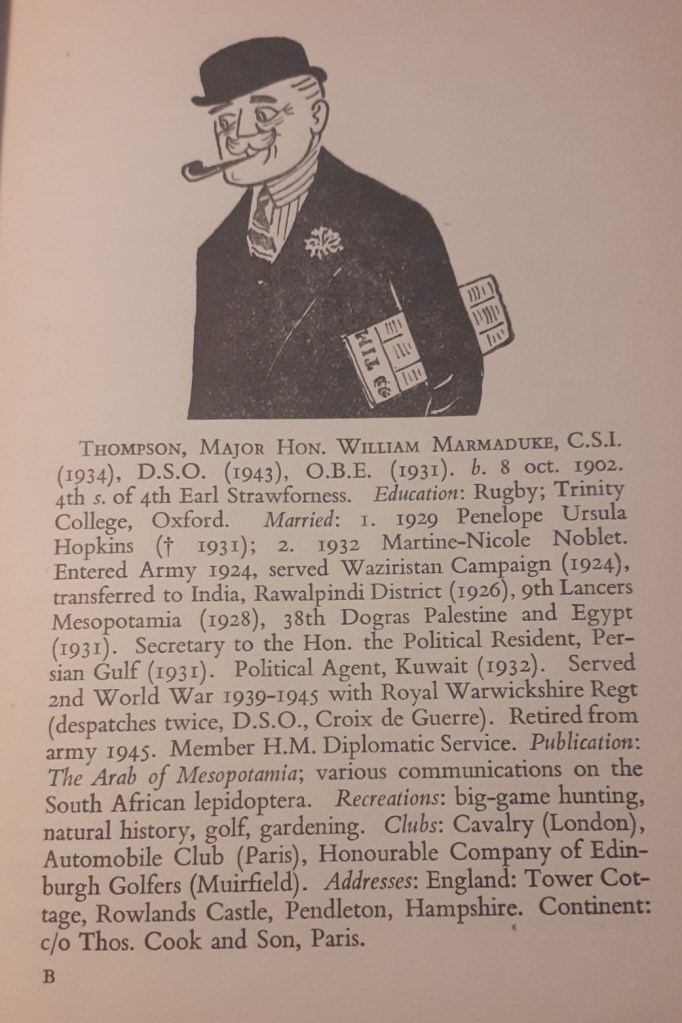
A final twist of fate? The owner of the house we bought in France left most of his collection of books behind. We disposed of many to charity but kept a few. They included a dog eared copy of the English translation of ‘Les Carnets du Major Thompson’ translated as ‘Major W. Marmaduke THOMPSON Lives in France’. Truth is sometimes stranger than fiction!
Francis Graham Irving was born in 1910, in Winchester, Hampshire. His father, Robert Lock Graham Irving, was 33 and his mother, Oriane Sophy Tyndale, was 26. He married Unity Hull in 1944 in London. He died in 1977, in Preston Capes, Northamptonshire at the age of 67.
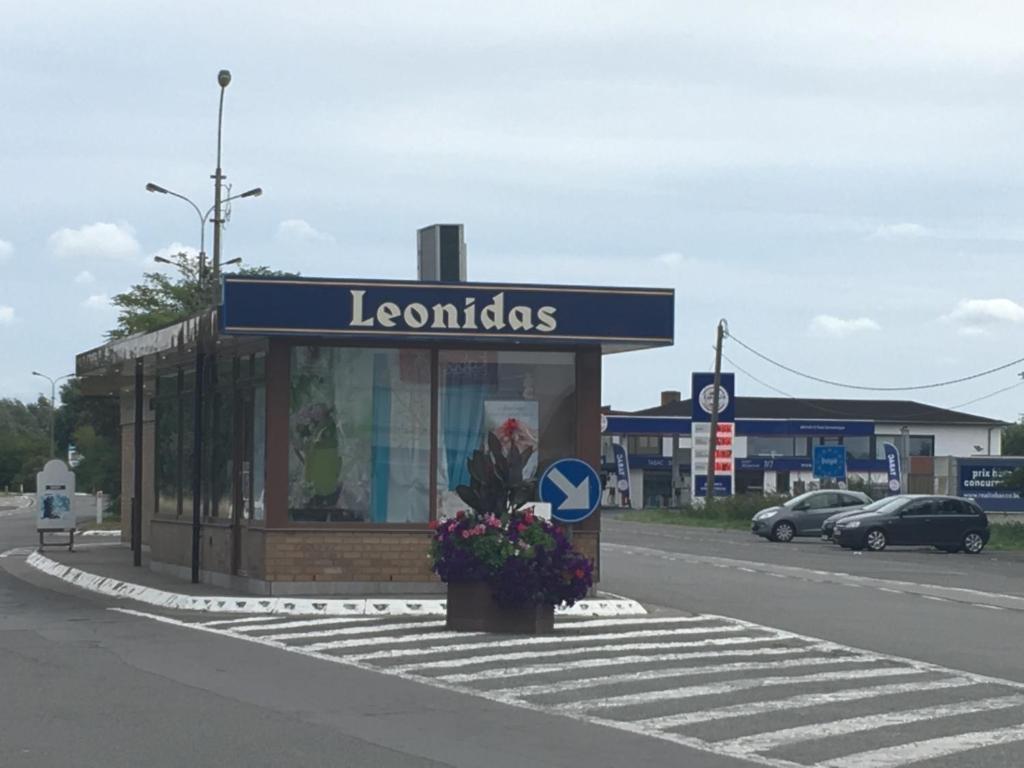
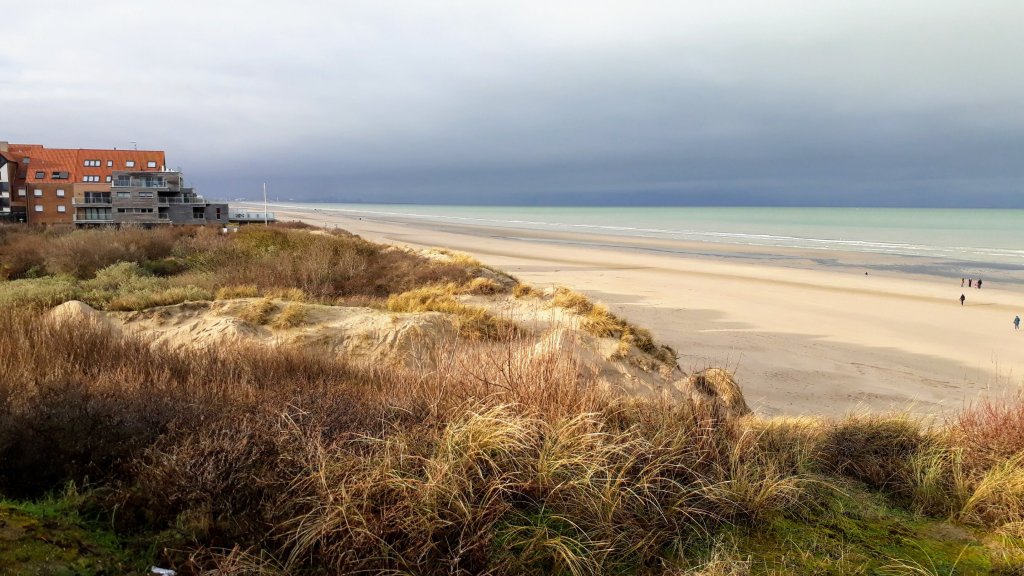
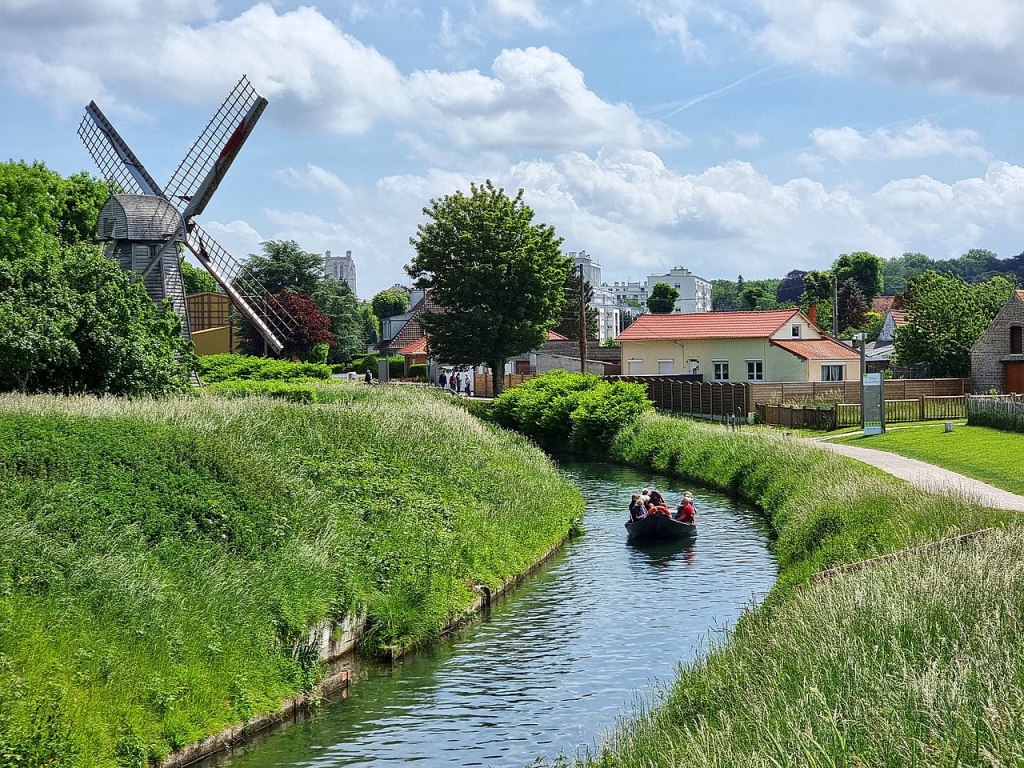
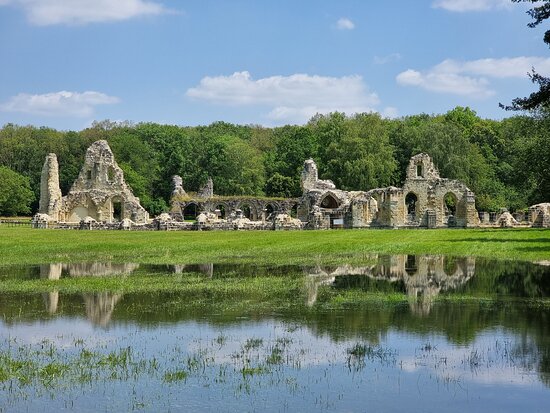
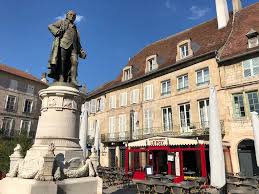
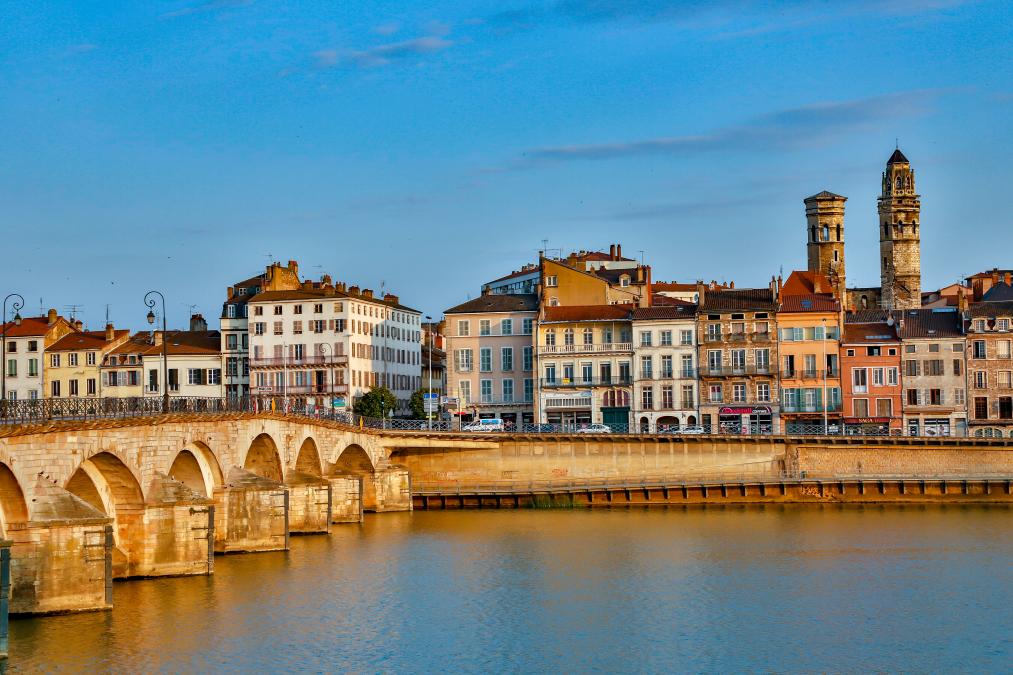
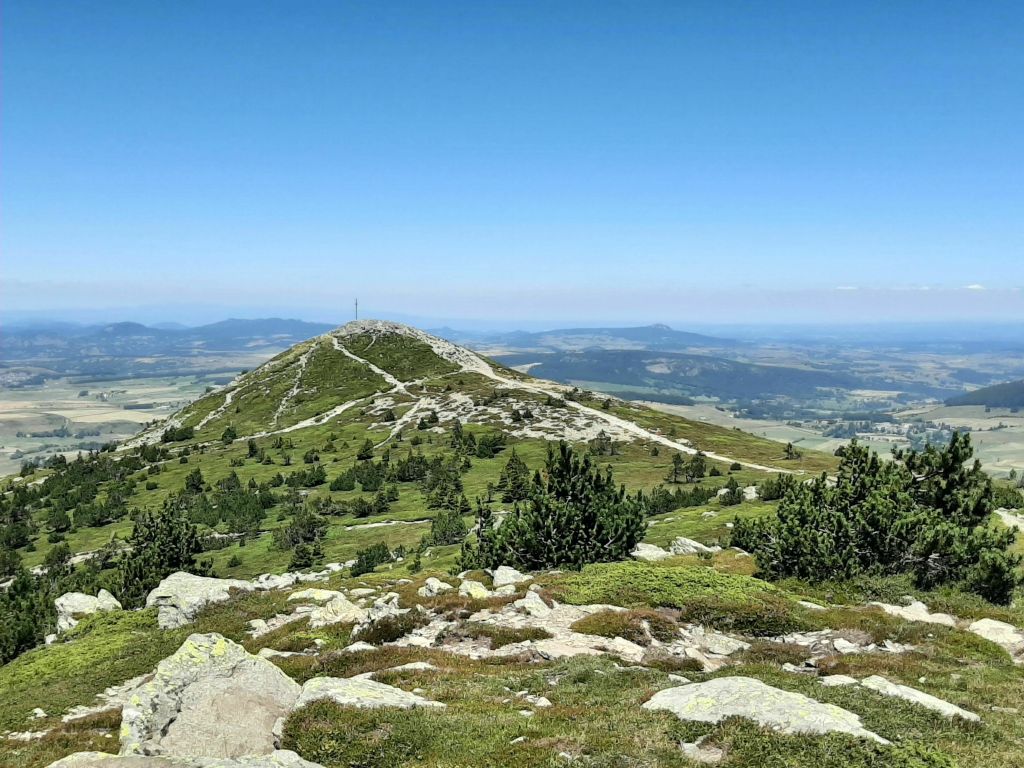
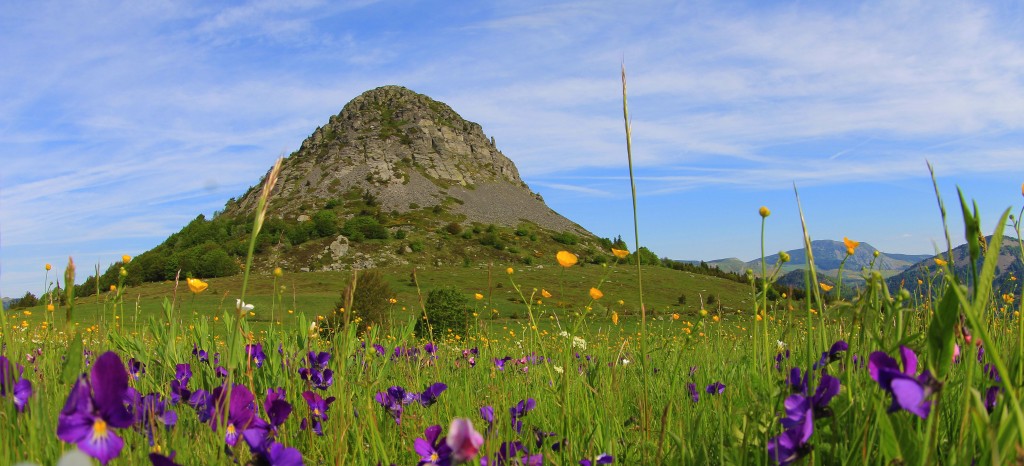
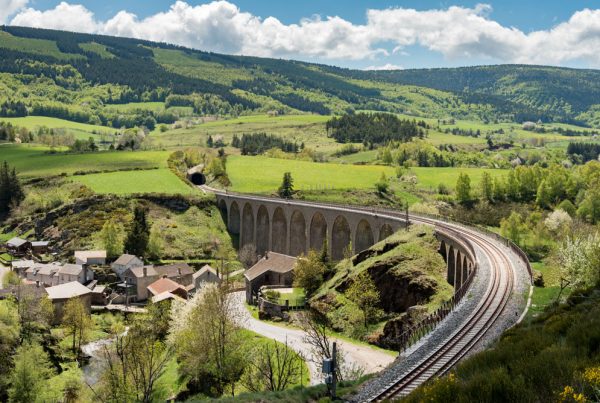
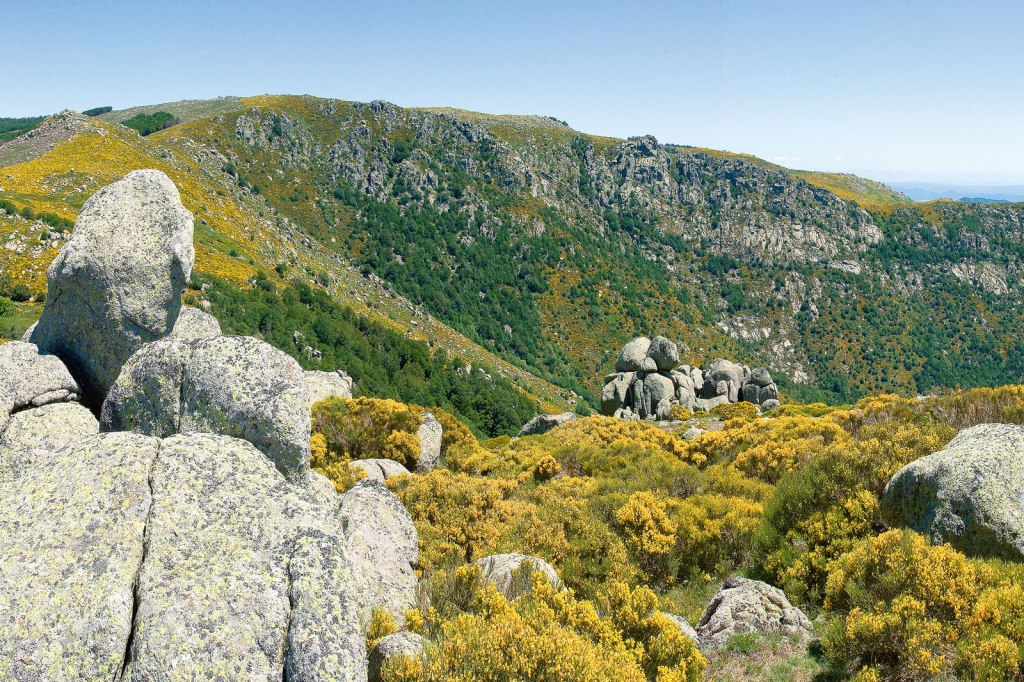
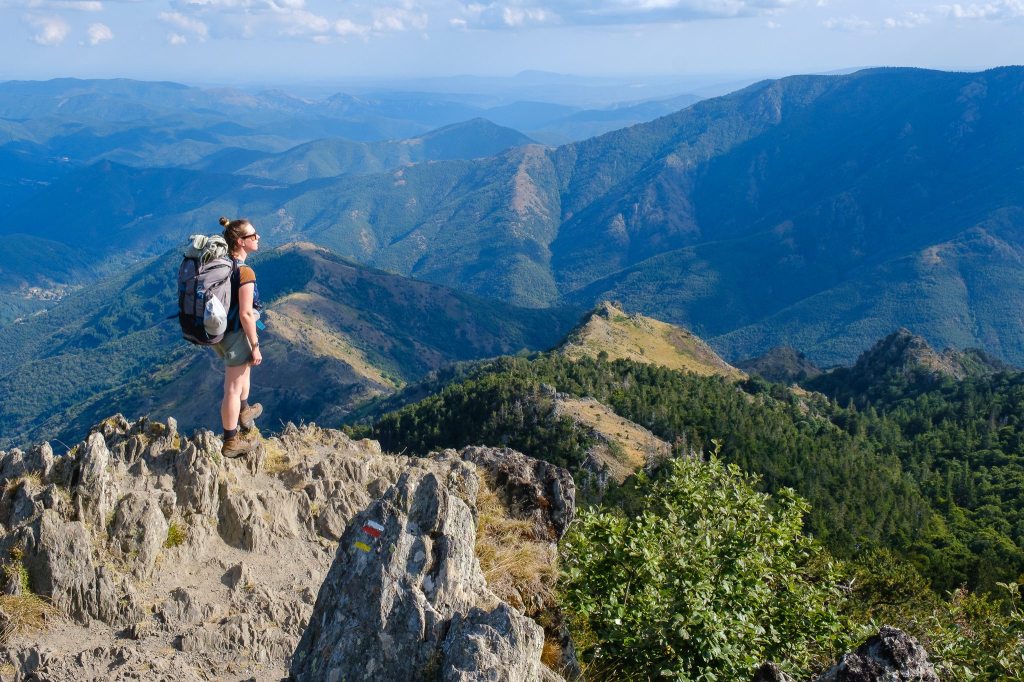
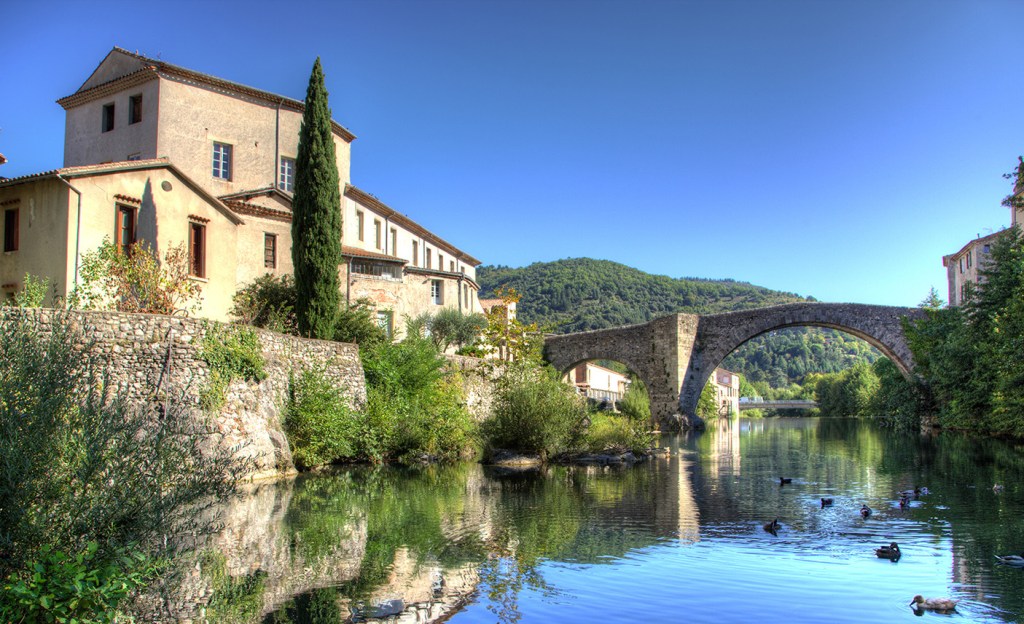
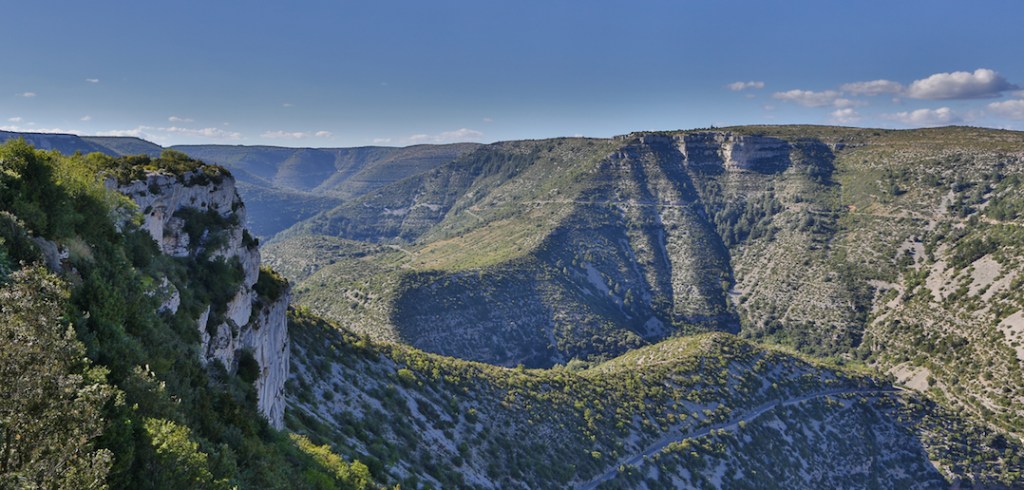
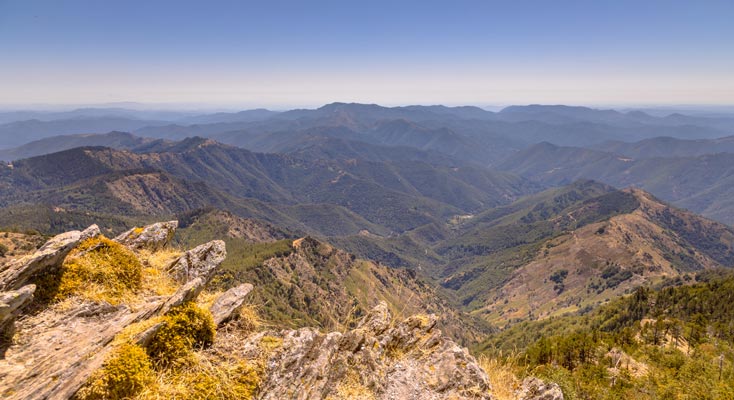
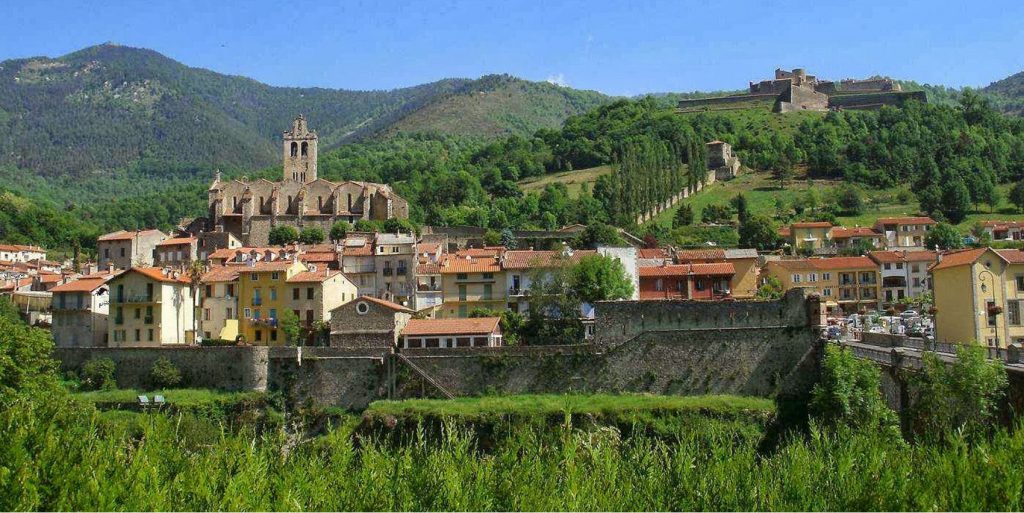
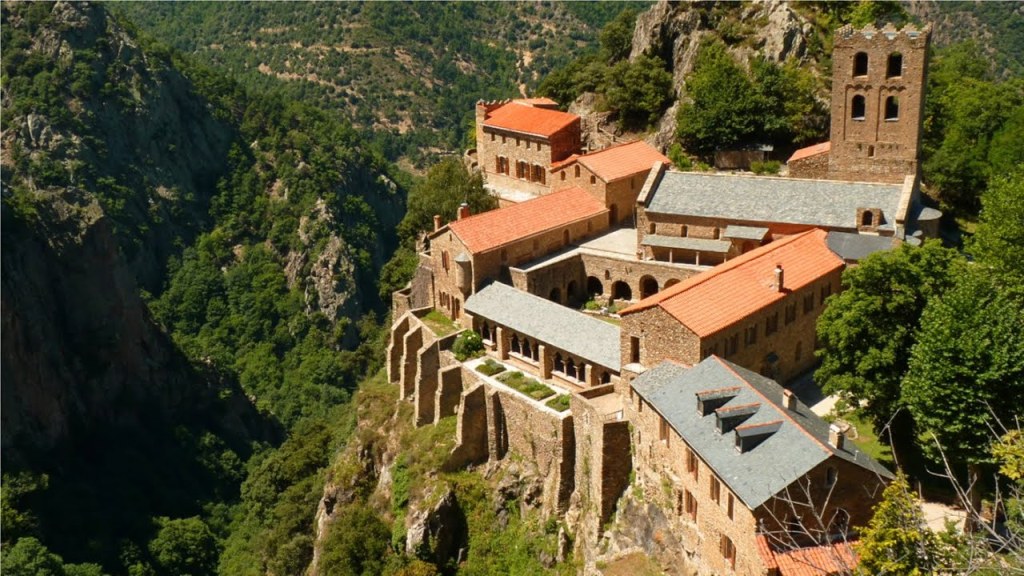
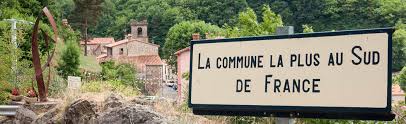
Photos of a pilgrimage from Bray-Dunes to Lamanère


Leave a comment