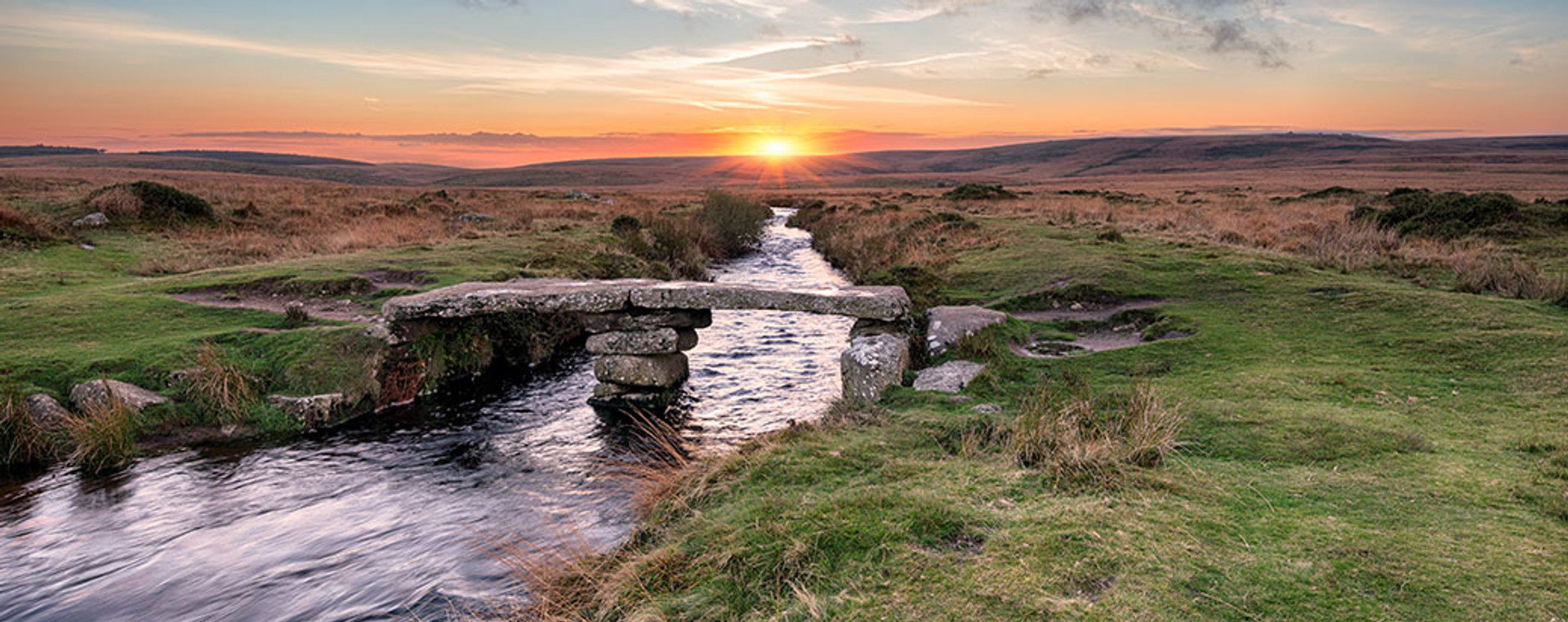
Now this is not the end. It is not even the beginning of the end. But it is, perhaps, the end of the beginning.
Winston Churchill
I woke up in a cold sweat in the middle of the night from a terrible nightmare. I’d seen the image of a short bladed tantō sword dripping in blood used by Japanese samurai noblemen when committing harakiri ( lit. ’abdomen/belly cutting’), a form of ritualistic suicide by disembowelment. The ritual was traditionally reserved for those members of the aristocratic military caste who had committed serious offences, or performed because they had brought shame on themselves and their family.

It was a long time since I had read Death in Midsummer by Yukio Mishima, a powerful short story about the experiences of Lieutenant Shinji Takeyama and his young wife, Reiko, and their ritualistic suicide following the February 26 Incident, a mutiny by members of the Imperial Japanese Army in 1936.
As I lay in bed, I tried to rationalise my nightmare. It could of course have had something to do with the dodgy meal of corned beef on a raft of roasted potatoes that I’d eaten the previous evening and was now playing havoc with my digestive system. More likely though it was related to my walk itinerary that was printed out on a piece of paper and lay on the bedside table beside me.
I had completed 50% of the walk in terms of time elapsed. In the last 9 days I had walked 287km. In the next 9 days I needed to walk another 350km in order to reach my final destination (Le Grau-de-Roi) on time. In terms of distance I still had almost 60% of the walk ahead of me and the weather over that time was forecast to deteriorate considerably. It was a sobering thought and the music would begin today with a challenging day in the mountains of almost 40km! So far the walking had been easy peasy japanesey but was that about to change?
Pretty much all the host families I had contacted about accommodation between Saint Julien-Molin-Molette and Le Puy-en-Velay had either been away in holiday or fully booked. Thankfully I’d been able to book a gite at Saint Jeures, half way to Le Puy. Call me a wimp, but I wasn’t keen on another night under canvas in the mountains with poor weather forecast.
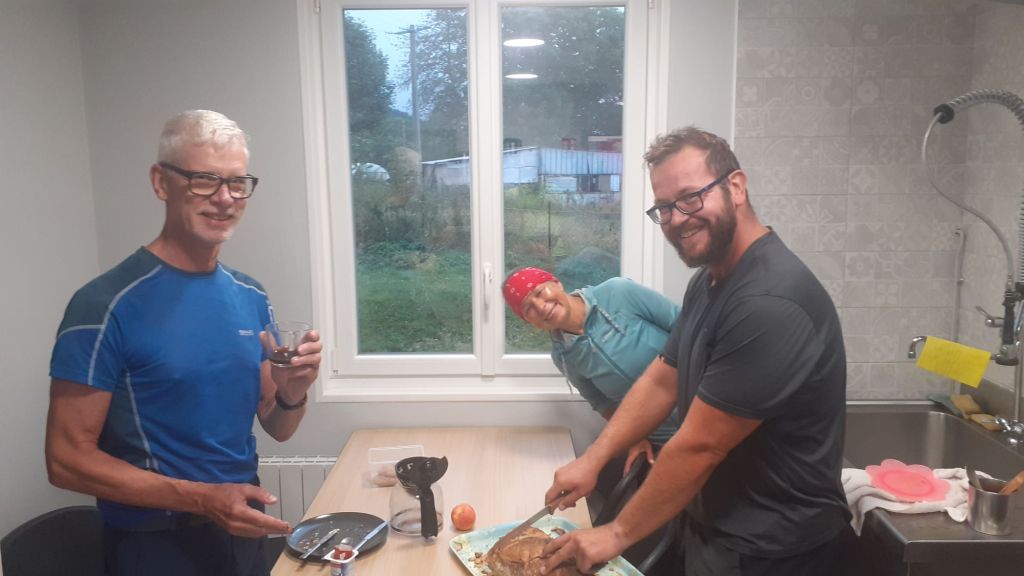
As it turned out there were 7 of us staying in the gite. Ernst, the enigmatic Swiss who I chattted to briefly the previous afternoon and had confessed that due to his job which involved meeting and talking to a lot of people, he liked to ‘keep himself to himself’ when on holiday. I subsequently learnt from another pilgrim who had met and chatted to Ernst, that he was a priest!
Ulrike and Dani, the other Swiss couple, didn’t make much effort to talk to anybody else. From the way they both grunted and rolled their eyes at the dining table, I got the sense that they weren’t great fans of the cuisine on offer!
Them there was Agnes, the Polish pilgrim whom I had spent the night with at the spider infested hell hole at Les Abrets-en-Dauphiné. She was no more loquacious than when I had met her a few days ago.
Finally there was a young couple from the Czech Republic who were walking together to Compostella. Odile had told me that they were using the walk as a means of finding out if they compatible enough to get married. Both were charming and seemed to be getting on like a house on fire. Before I left, the young Czech girl announced that the previous day had been her ‘name day’ and insisted on giving everybody a piece of chocolate.
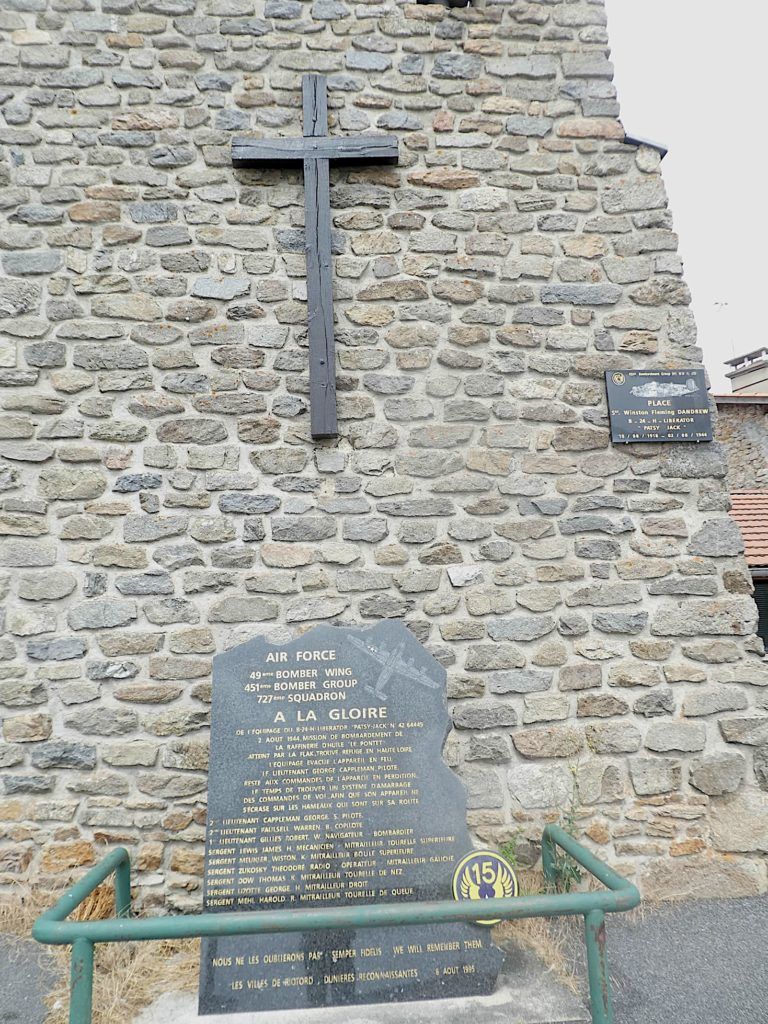
As I headed out of the gite I passed a memorial to one member of a US B-24 bomber which had crashed nest Sétaux in August 1944. All bar one of the 11 crew members had parachuted to safety. Sadly one crew member had died. The surviving crew members had come to Sétaux to erect a memorial to their fallen comeade in 1995.
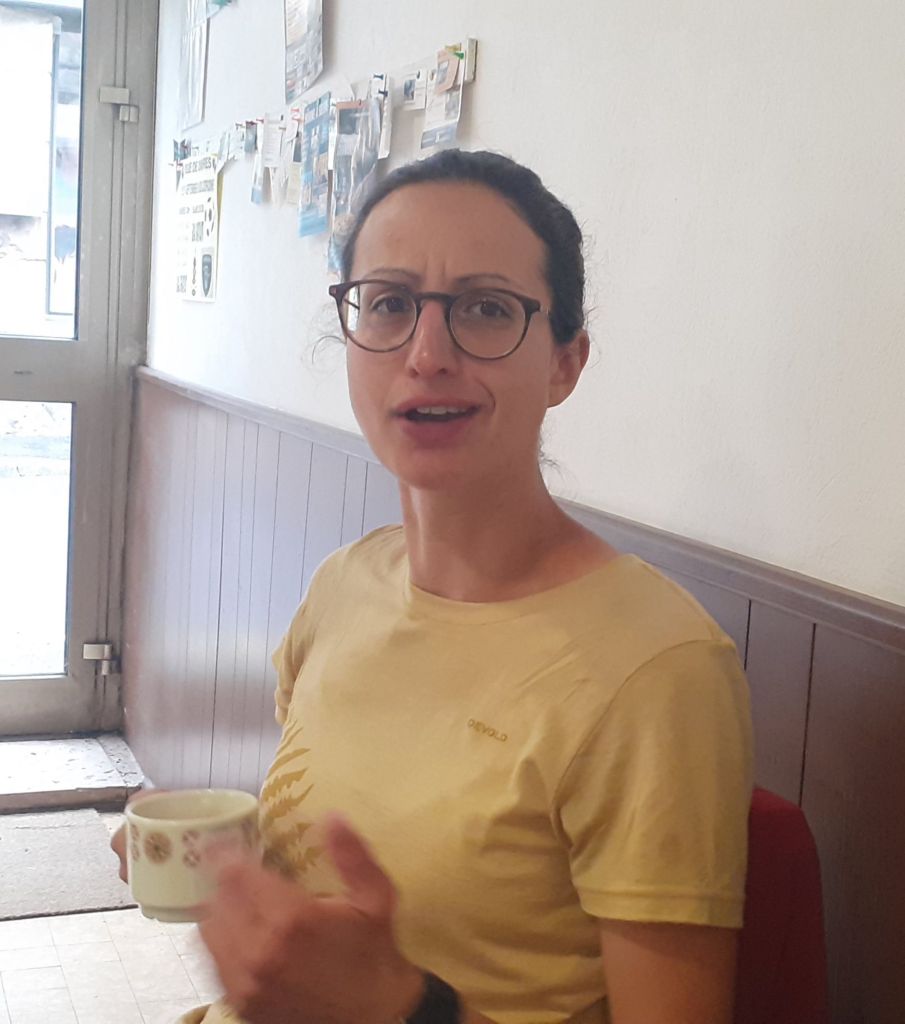
I spotted another pilgrim just outside Monfaucon-en-Vélay. She was Swiss pilgrim called Danielle who was taking a job break and walking to Compostella. We dropped into a café when we reached Monfaucon and I gave her some tips about places to stay on the Chemin de St Jacques.
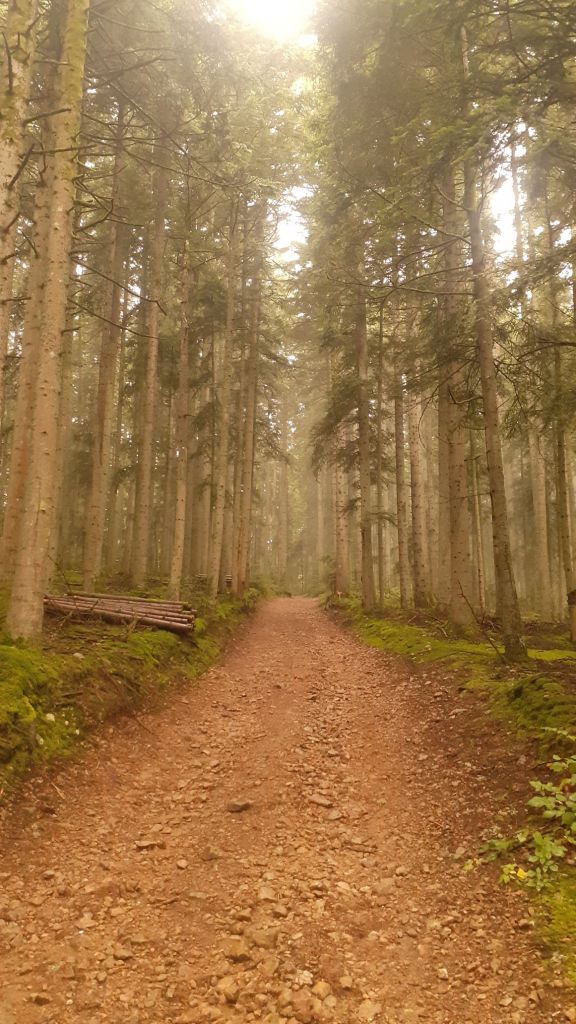
Much of the day’s walk took me once more on forestry paths through thick pine forests. Apart from the appearance of an occasional red squirrel, the pine forest seemed deserted. Thankfully the ground was sandy and the walking was straightforward.
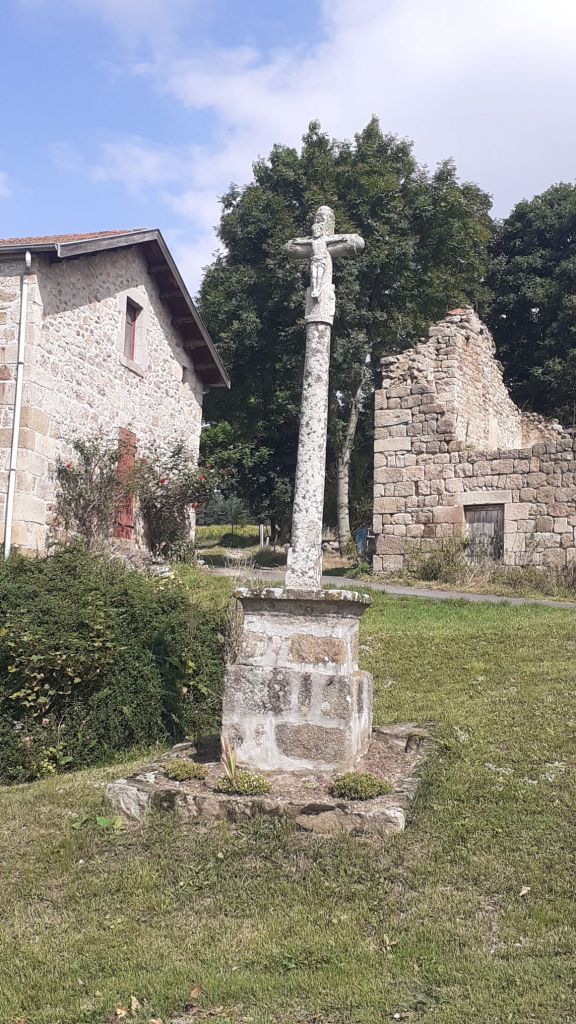
When the path did emerge from the forest it often led through small hamlets of granite houses which can’t have changed much over the last century or so.
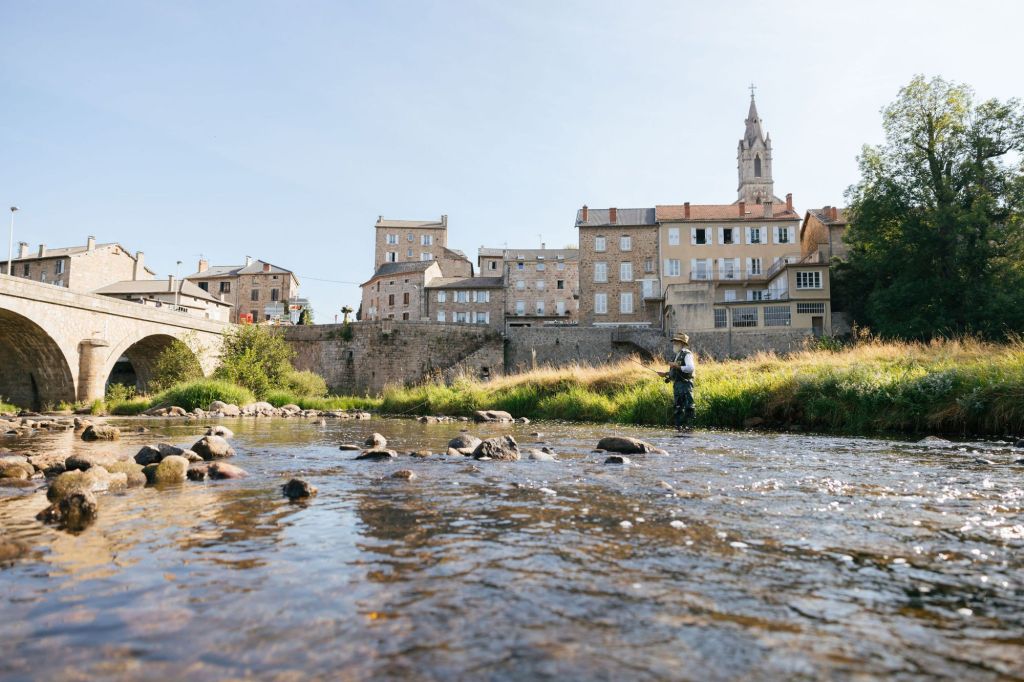
I reached Tence just after 1.30pm. Although pretty much everything in town was closed (it being Monday) Tence had a pleasant feel about it. If could almost have been a village in Northumberland like Rothbury. The river Ligon, which flowed through the town, was famous locally for its trout.
I reached Saint Jeures and tracked down my gite. It was only just after 3.30pm and I’d covered 38km in around 7 hours, averaging just over 5kmph! It nowhere near as difficult as I’d anticipated. The icing on the proverbial cake lay in the fact that my early arrival at the Gite left me no excuse not to wash my entire kit!
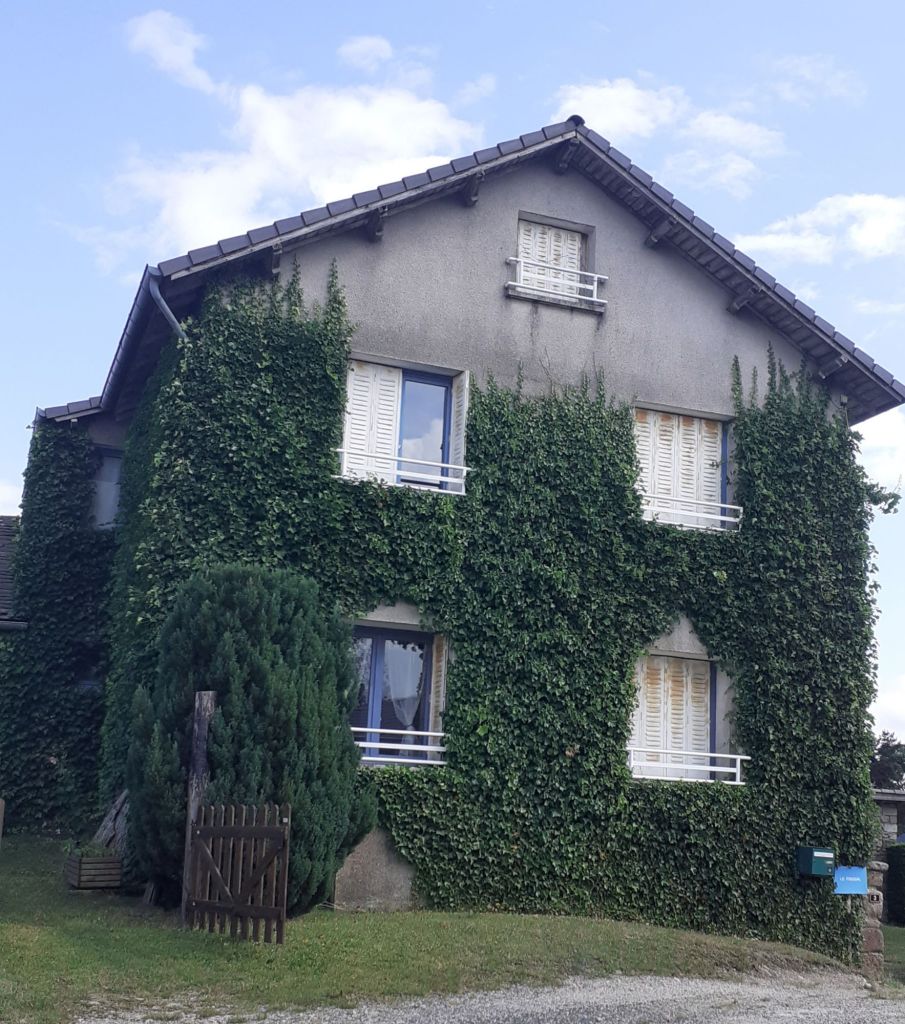
With 10 days walking behind me and just over a week left before I reach the Mediterranean at Le Grau-de-Roi, today felt very much like the end of the beginning and the beginning of the end of my walk.
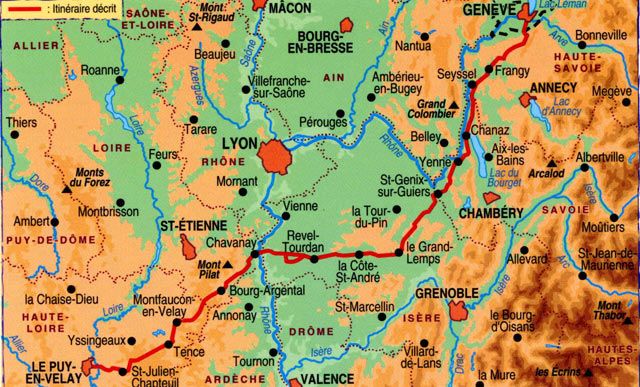
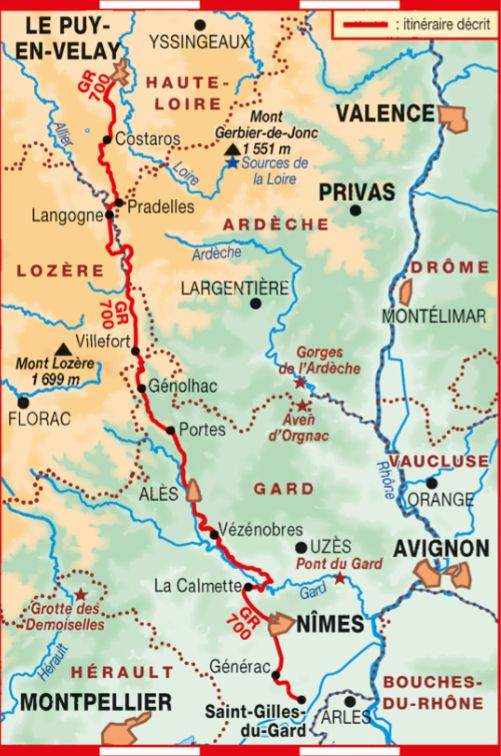
And tomorrow? Tomorrow I am scheduled to reach Le Puy-en-Velay. The end of the Via Gebennensis and the beginning of the Way of St Giles/Chemin de Régordane. Bring it on!


 Pilgrim's Progress - Long Distance Walks in Europe and the UK
Leave a reply to johnnkiernan Cancel reply