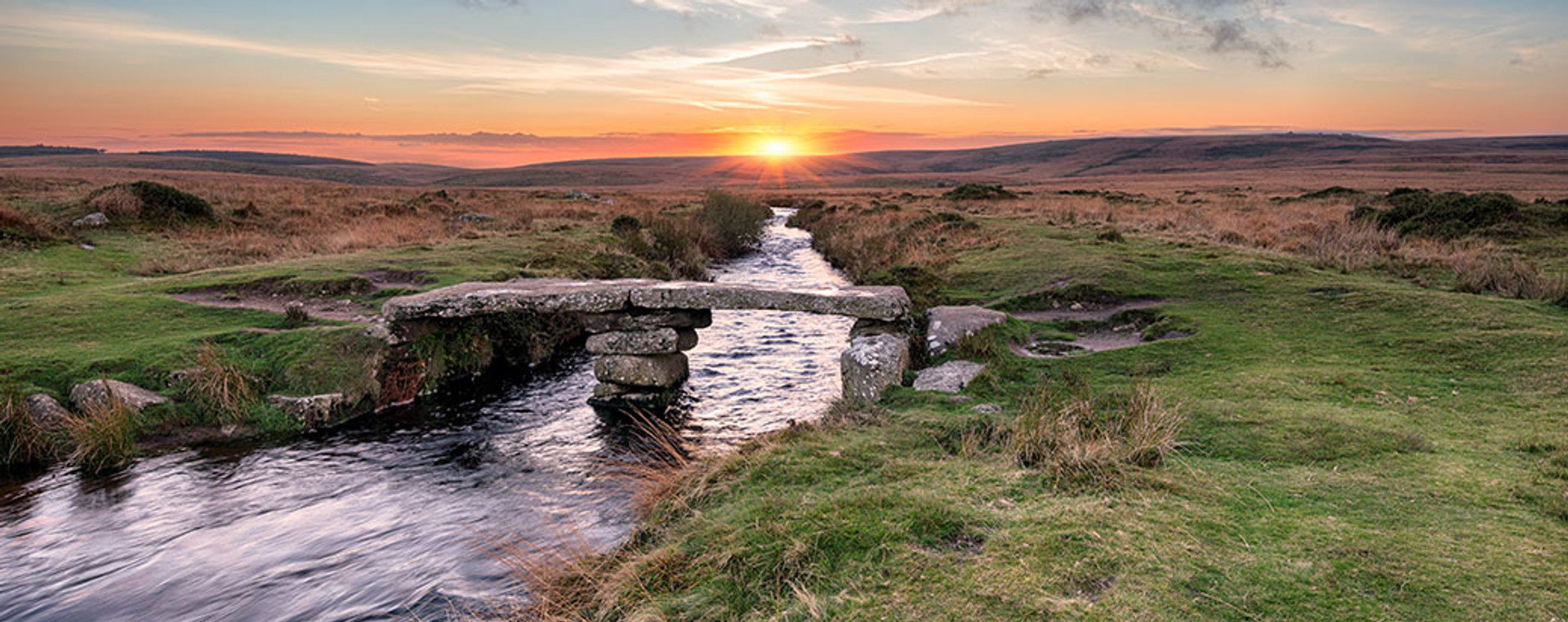
I was nineteen years old, still soft at the edges, but with a confident belief in good fortune. I carried a small rolled-up tent, a violin in a blanket, a change of clothes, a tin of treacle biscuits, and some cheese
As I Walked Out One Midsummer Morning – Laurie Lee

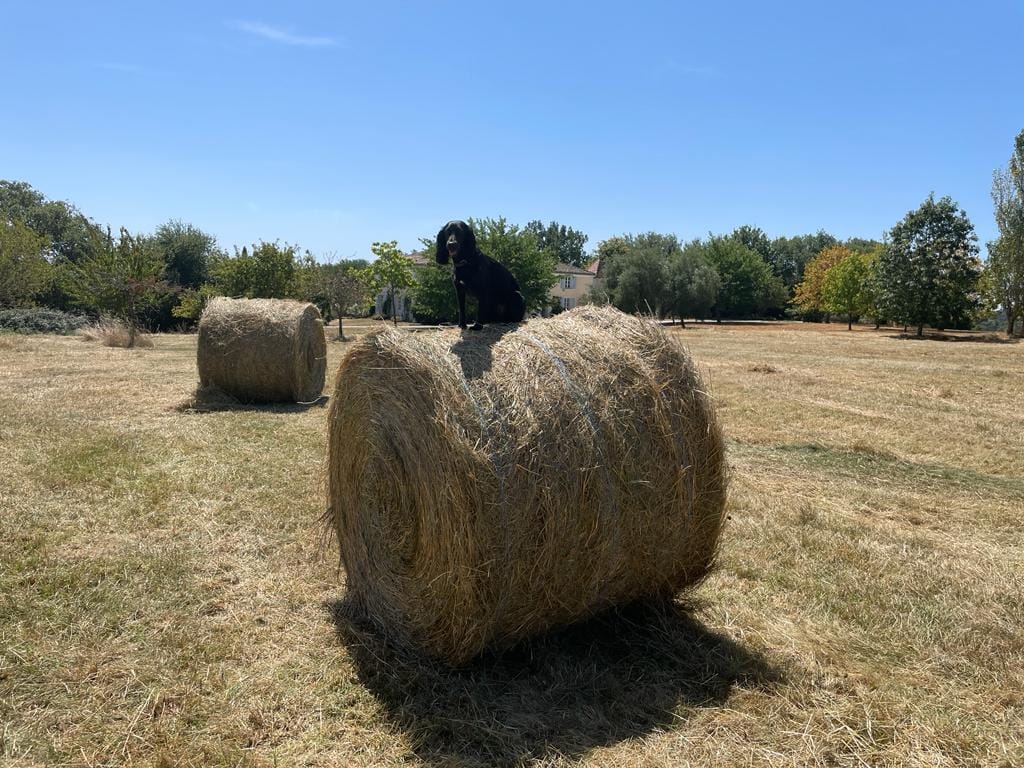
With the wild flower meadows around our house in Gascony safely mowed and baled, the time of year has come round once more when thoughts turn to picking up one’s staff and heading off on another pilgrimage before the leaves turn and winter nights draw in.
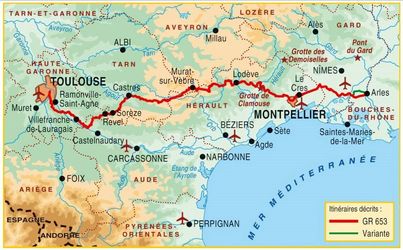
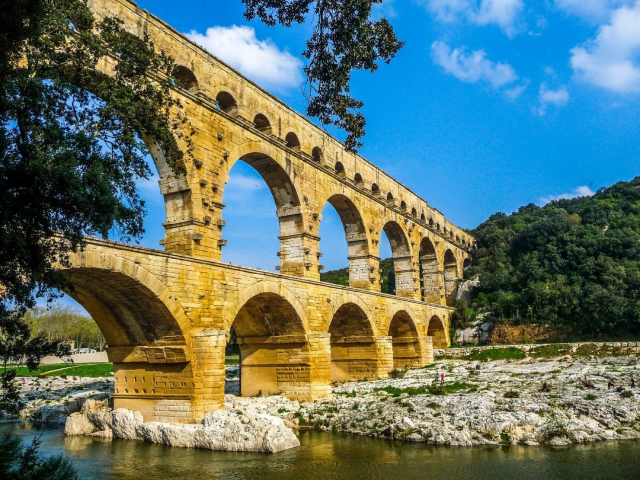
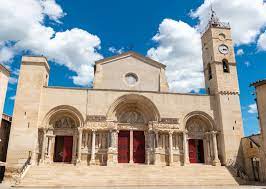
After quite a few changes of itinerary, I’ve finally decided to walk the pilgrim route from Arles to Toulouse (the Chemin d’Arles or Via Tolosana) and from there (time permitting) back home to Gariès. Setting off by train for Arles on Monday 11th September (today!) and heading off from Arles the next day, I hope to cover a little under 550km over the next couple of weeks, averaging 35km a day. Although there are a few mountainous stretches, the route is mainly fairly flat, so I’m hoping that it is going to be achievable, weather and feet permitting!
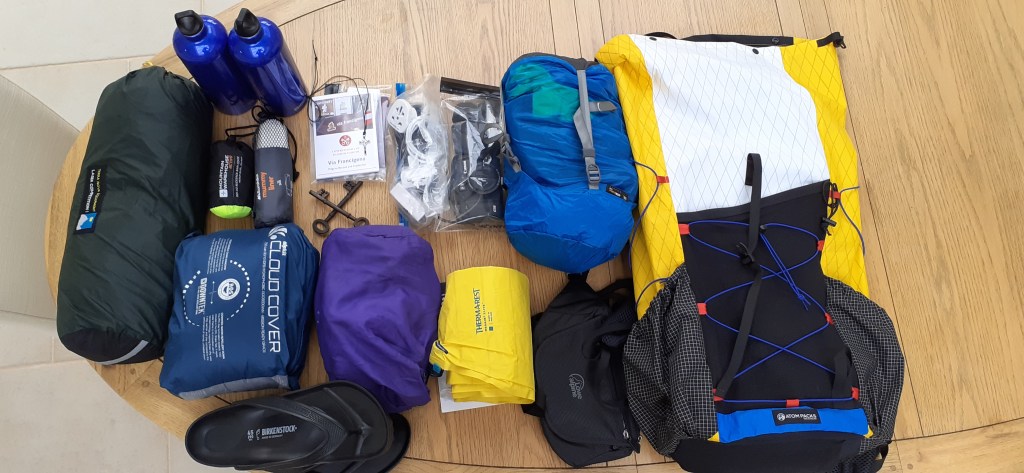
Once again,I’ll be travelling light – just 5kg including a tent, sleeping bag and mattress! Apart from a change of T shirt and underpants, my only concession to luxury will be a small multiblade penknife with a corkscrew attachment!
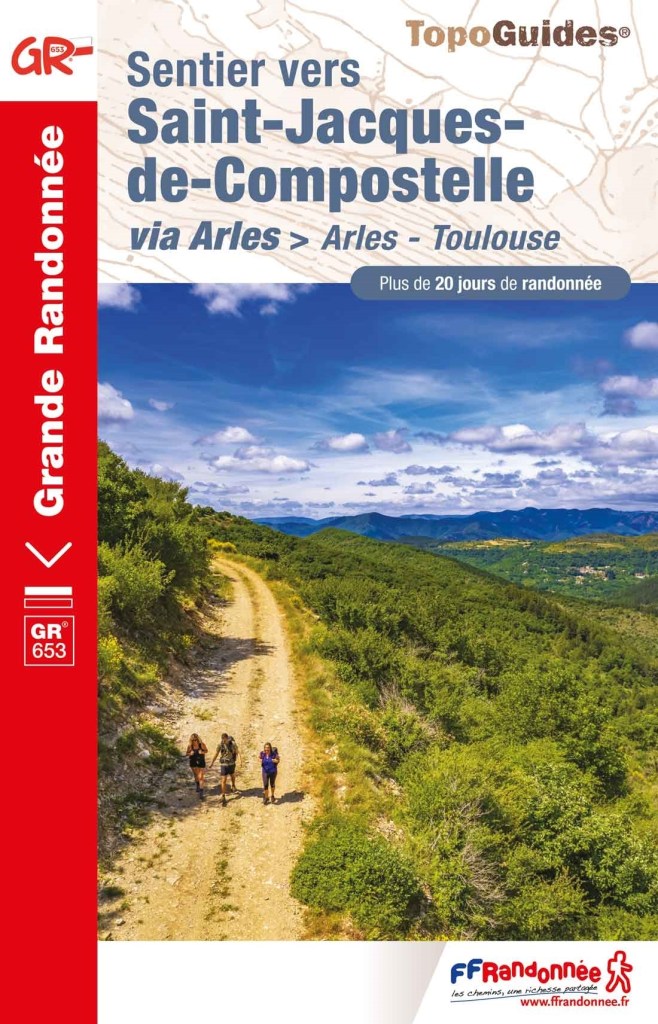
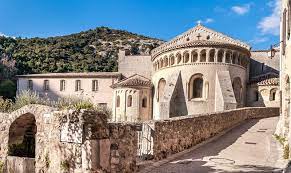
The Chemin d’Arles was one of the four medieval pilgrim routes described by Aimery Picaud in his 12th c Pilgrim’s Guide, this route was used by Jacobean pilgrims from southern and eastern Europe and in reverse, by Spanish, Portuguese and French pilgrims to Rome. It is also known as the Via Tolosana, as the most important town along the way is Toulouse.
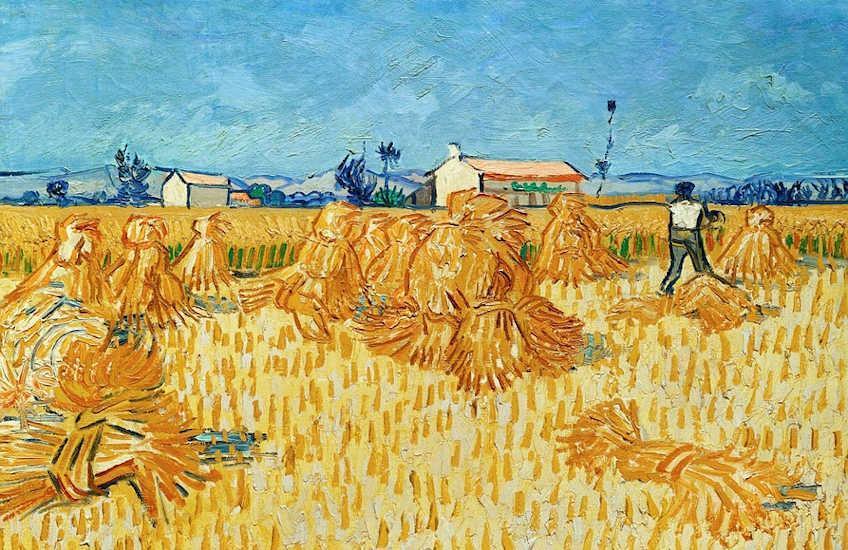
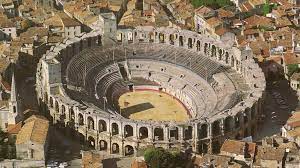
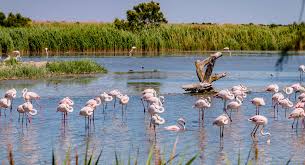
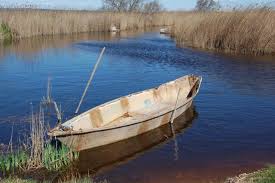
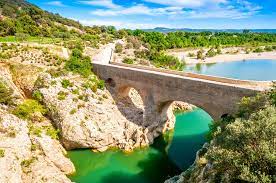
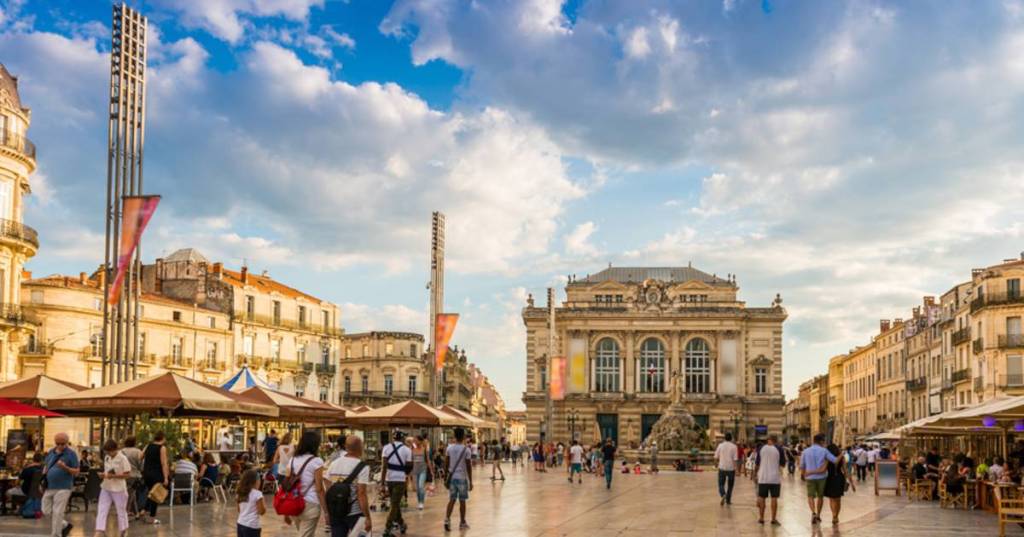
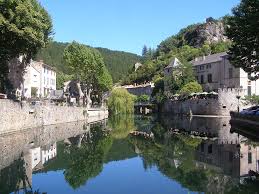
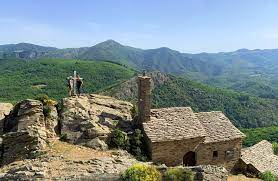
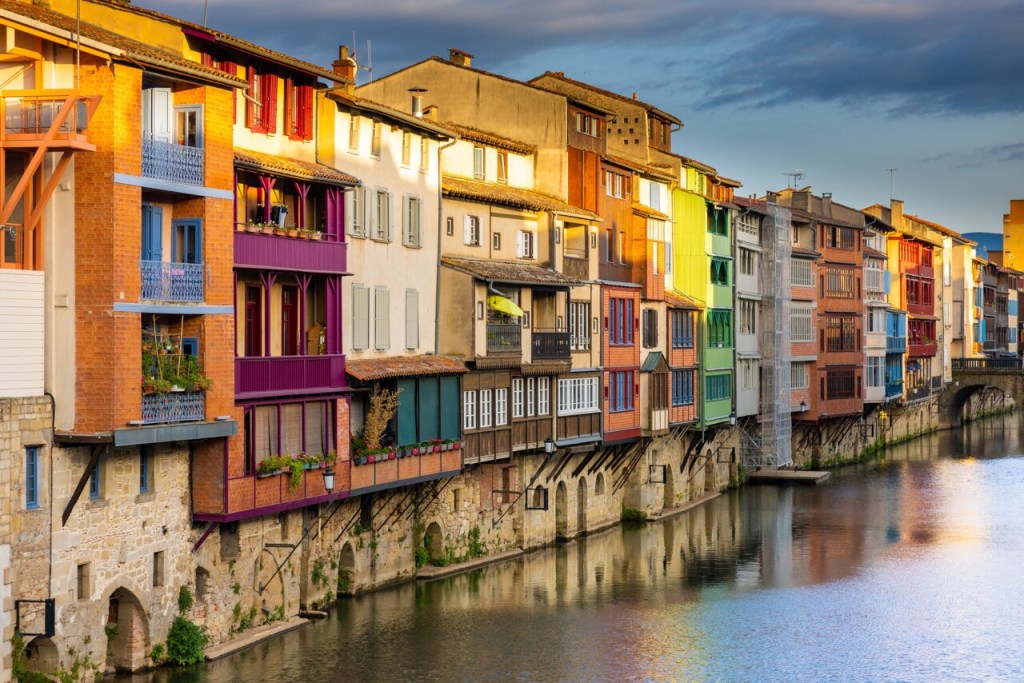
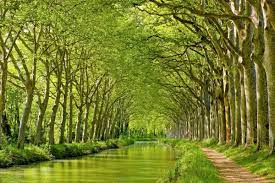
Starting in Arles (famous for its Roman amphitheatre and for hosting Van Gogh during the last 18 months of his life) the route crosses the Camargue (drained marshland of the Rhône delta) before reaching Montpellier. Between Montpellier and Castres are the steep hills of Haut-Languedoc: initially the causses (dry, steep-sided limestone hills and gorges) and later vast areas of often commercial forest, largely conifers or oak. Between Castres and Toulouse the terrain is flatter with low hills and open plateaus dotted with trees and mixed farming.

It’ll be a great opportunity to stretch my legs, shed a few pounds, practice my French and tick off most of another of the great pilgrim routes across France. On y va!



 Pilgrim's Progress - Long Distance Walks in Europe and the UK
Leave a reply to cavell.northam Cancel reply