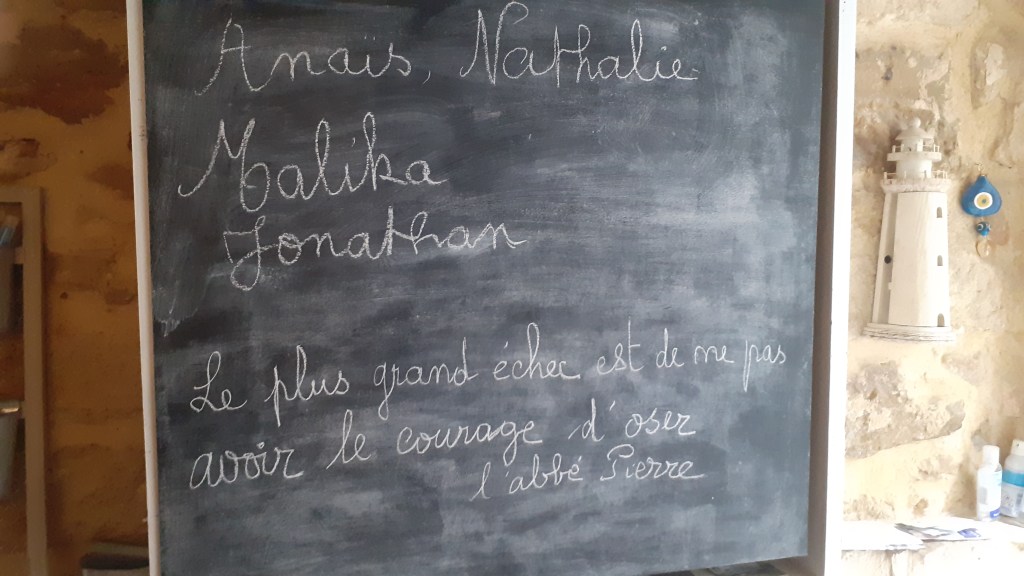
Le plus grand échec est de ne pas avoir le courage d’oser.
L’abbé Pierre
As I was on the point of leaving Bea’s Gite, I couldn’t help noticing the blackboard prominently positioned in the corridor. Guests were welcomed with the quote – dare to dream! Don’t live your life with regrets. Carpe diem.
Bea laid on an ample breakfast for us. Once again I was struck by her charm and kindness. The Good Samaritan incarnate.

€38 for dinner bed and breakfast, lashings of hospitality and convivial conversation. What’s not to like! Encounters with the likes of Bea and fellow pilgrims add so much to the enjoyment of the pilgrim journey. Merci bien!
Somewhere shortly beyond Vauvert I took a wrong turning. Annoyingly, I was aware that there was a divergence between the guidebook map, my compass, the waymark and my GPS bearings. I trusted in technology and decided to follow the ‘All Trails’ route. It proved a mistake, but thankfully not a costly one.
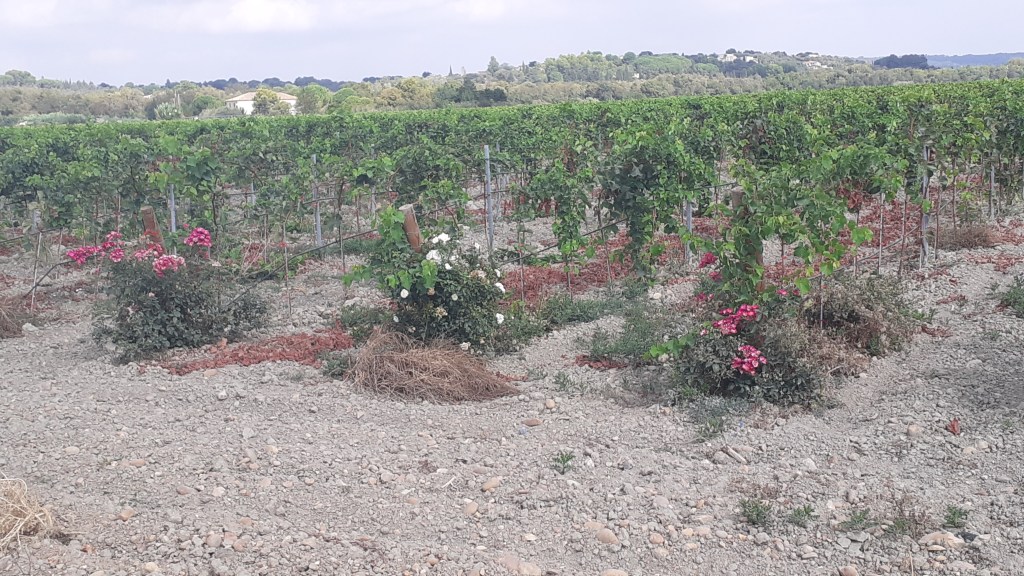
The landscape was once again dominated by vines. I was crossing from Costières to Hérault country. A number of vineyards had roses growing at the end of the vineyard – an early warning signal used by some wine growers to guard against disease such as powders mildew, blight and phylloxera.
One of the most dreaded diseases is powdery mildew. This parasitic fungus forms on the vine leaves and is very difficult to combat if not detected in time. Some flowers like roses are also sensitive to this kind of attack, showing identical symptoms such as stains on the leaves formed by a network of whitish, powdery strands.
Some people think the tradition dates back to the mid-19th century (when the health of European vines was severely threatened by diseases like phylloxera). It was in 1851 when French vineyards were apparently decimated by the arrival of Oídium tuckeri mould spores from Great Britain.
Up to that time, French vine cultivation was limited to land around monasteries. It was actually on land belonging to Cîteaux Abbey (in what is now the Burgundy region) where they came up with the solution. There, in previous centuries, the Cistercian monks had been innovators in wine production, exporting their techniques to the rest of the Medieval Christian world. Experimental monitoring of the vines led them to notice that roses behaved in a similar way to vines when affected by mould. They then found that aerating the foliage by pruning the still young leaves or treating more advanced cases with sulphur seemed to be successful. And that is why rose bushes, apart from being beautiful are also extremely useful and decorative allies against disease for wine growers..

I reached the little village of Gallargues-le-Monteux and sat in the village square eating my ham and cheese sandwich. The sin beat down from a cloudless sky, villagers gathered for lunch in time honoured style in the local brasserie and time seemed to stand still. A perfect image of unreconstructed life in La France profonde.
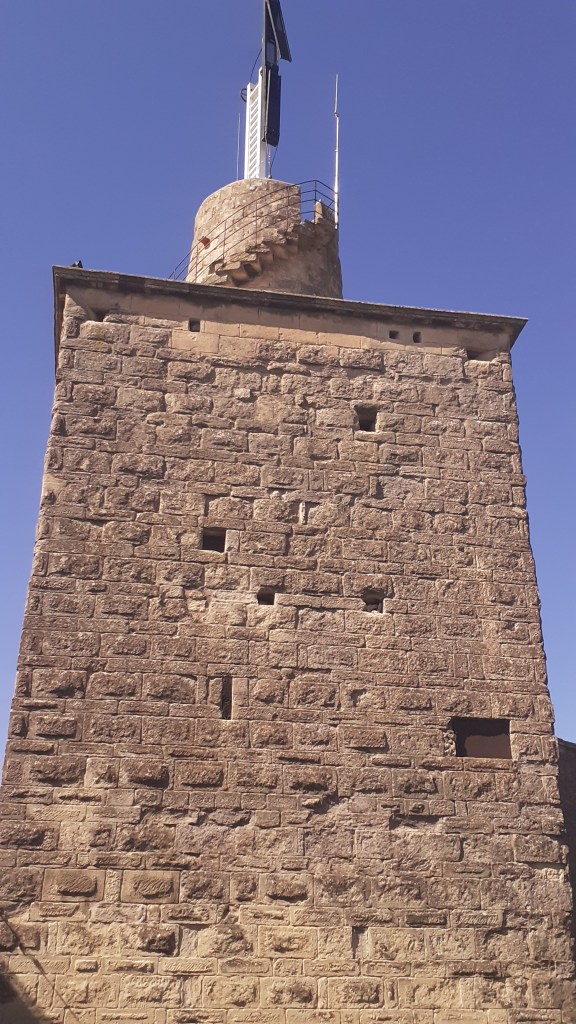
Pride of place in the village was the telegraph tower that was erected in the early 19th century as part of the Chappe Telegraph system.
The Chappe Telegraph system was a French semaphore telegraph system invented by Claude Chappe in the early 1790s.
Communication over long distances is a recurrent problem in history. This problem was particularly pressing in France at the height of the French Revolution as the country was surrounded by the hostile forces of Britain, Austria, Prussia and the Netherlands. In this context, France would obtain strategic advantage if, unlike its enemies, it had a rapid system of reliable communication.
The telegraph Chappe inventedprovided just such a system of rapid and reliable communication. A message carried by horses from Strasbourg to Paris took 4 days. With the Chappe telegraph, it took 2 hours.
Construction of the system began in the early 1790s and proceeded rapidly after that. It continued to be used for decades, but its decline began when the first electric telegraph line, based on International Morse Code, was set up in 1845. The last signal from a Chappe telegraph was sent in 1854.
The system was composed of towers placed every 5 to 15 kilometers across France. Coded messages were sent from tower to tower, with transmission being handled by tower operators using specially designed telescopes. The messages were decoded once they reached their destination city. By the mid 19th century, the network spanned several hundred kilometres and covered most major French cities as well as Venice, Mainz and Amsterdam.

After passing through the little village of Villetelle, the landscape changed dramatically and I was faced with the first challenging climb of the walk, up and over the garrigue of the Rocks of St Sénior. The views from the summit were magnificent with the Pic St Loup clearly visible in distance.
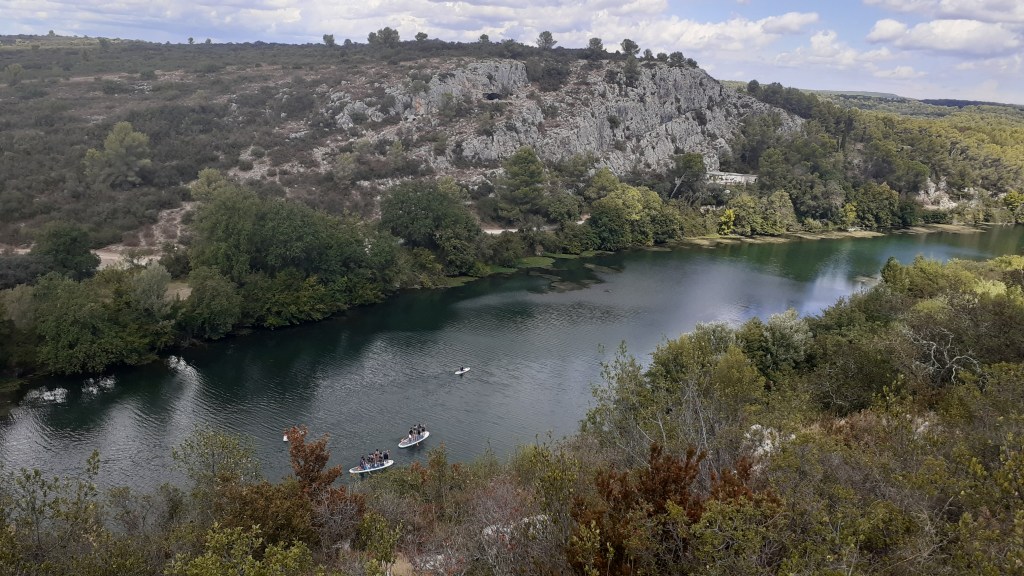
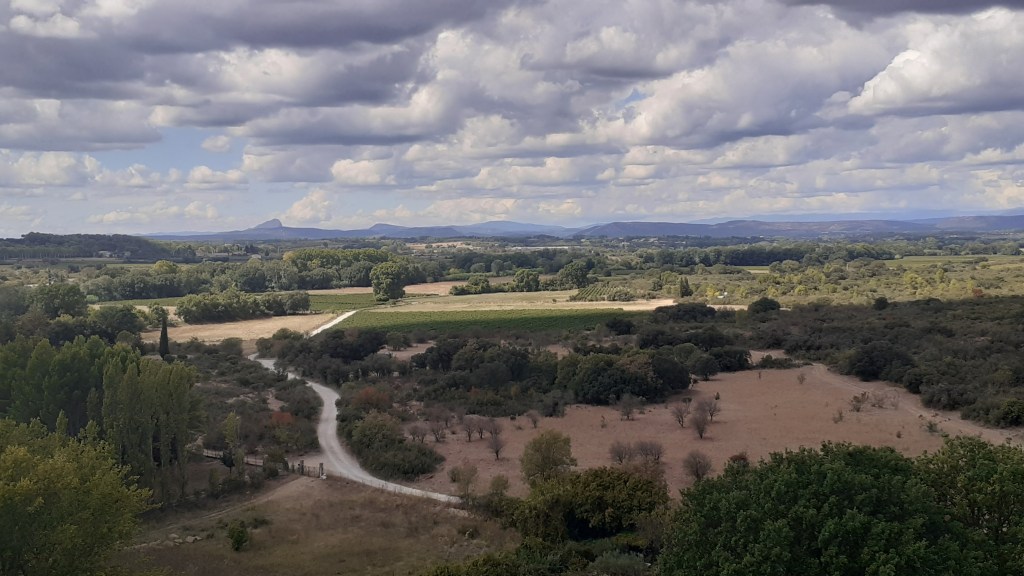
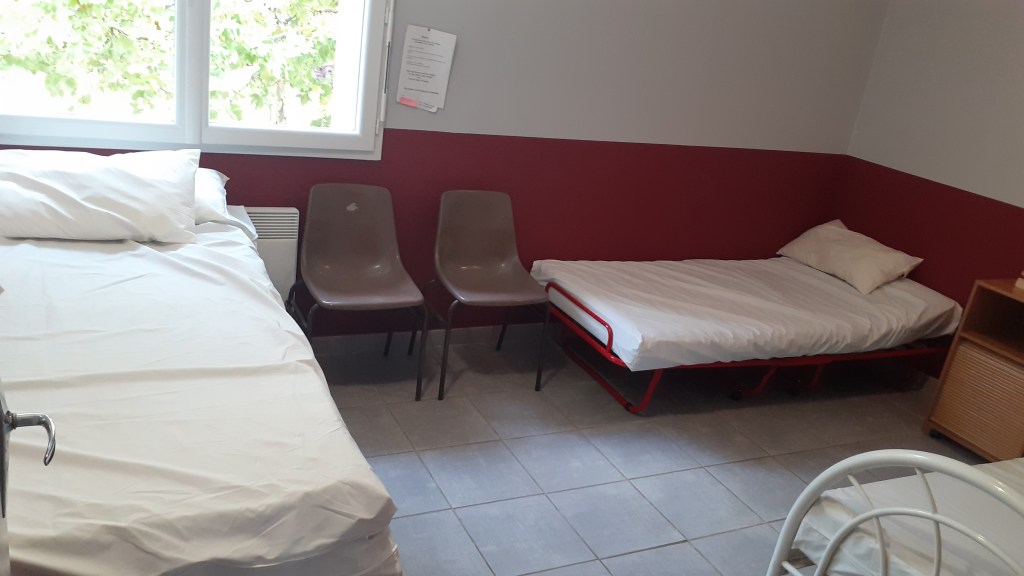
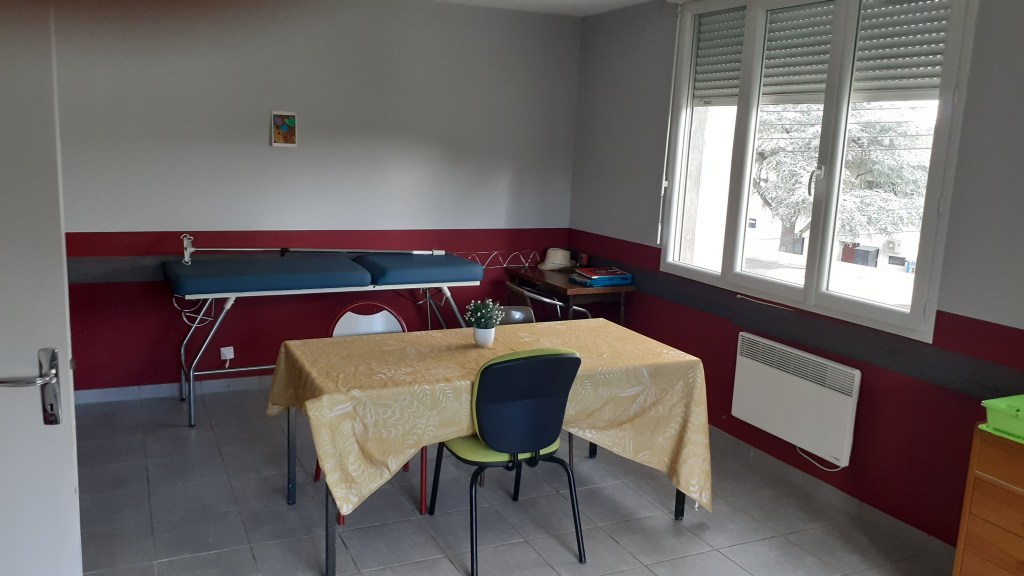
I made it to Saint-Christol before 4pm. Only 26km covered, but I was glad for an easier day than yesterday. I collected the keys feom the Mairie to the well equipped municipal gite (€10 a night) and settled down for the evening, glad to be done for the day and happy with the simple things in life – a roof over my head, a bed for the night and a square meal to look forward to.

 Pilgrim's Progress - Long Distance Walks in Europe and the UK
Leave a comment