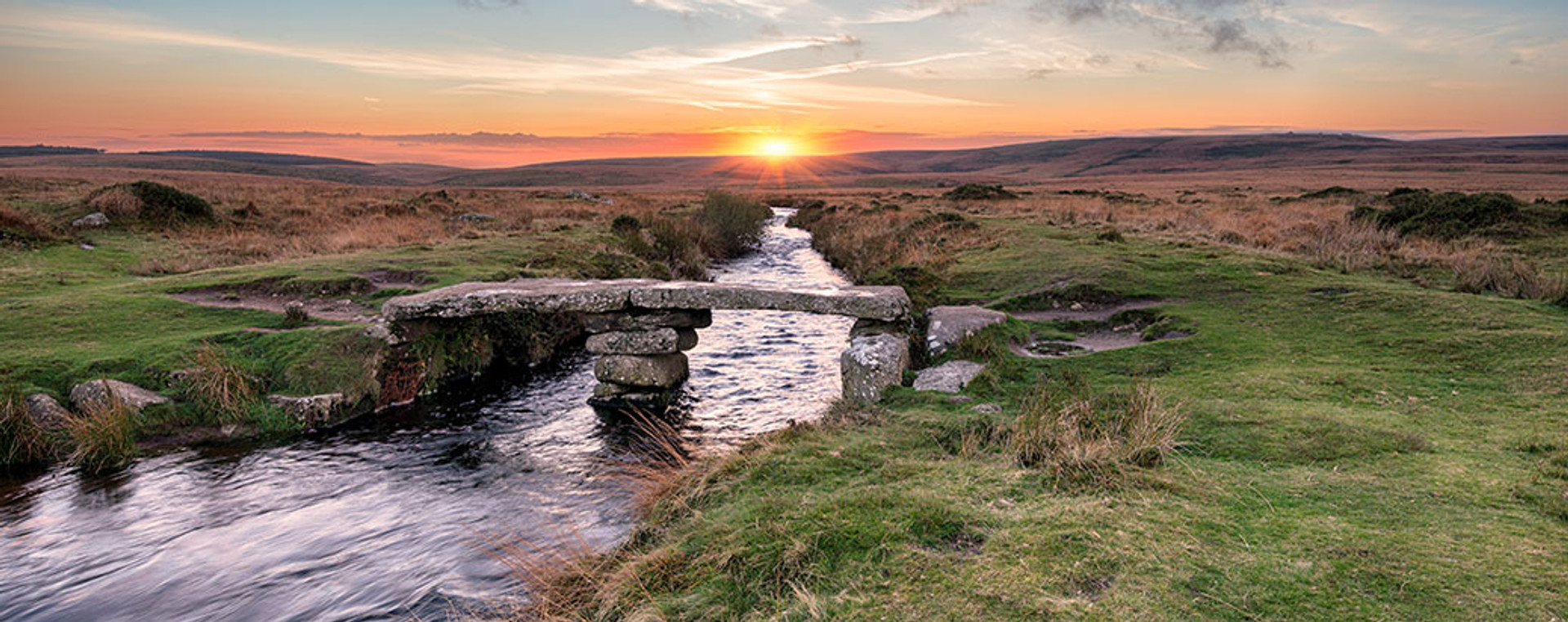
Is ditchwater dull? Naturalists with microscopes have told me that it teems with quiet fun
G.K Chesterton – English author
The hotel I was staying in at Dourgne had eight rooms. Mine was the only one that was occupied.
I got chatting to the lady who served me breakfast. Yes business was very slow she admitted- due to the cost of living crisis in France people weren’t dining out or staying in hotels as much as in the past. It was the same story at the hotel at Les Bouildouïres which I’d passed a few days earlier. In years gone by September would have been a busy month, but this year it was dead. People were simply tightening their belts in the face of economic adversity. With a plate of asparagus being offered in the hotel restaurant for €11, I could entirely understand why business was slow!
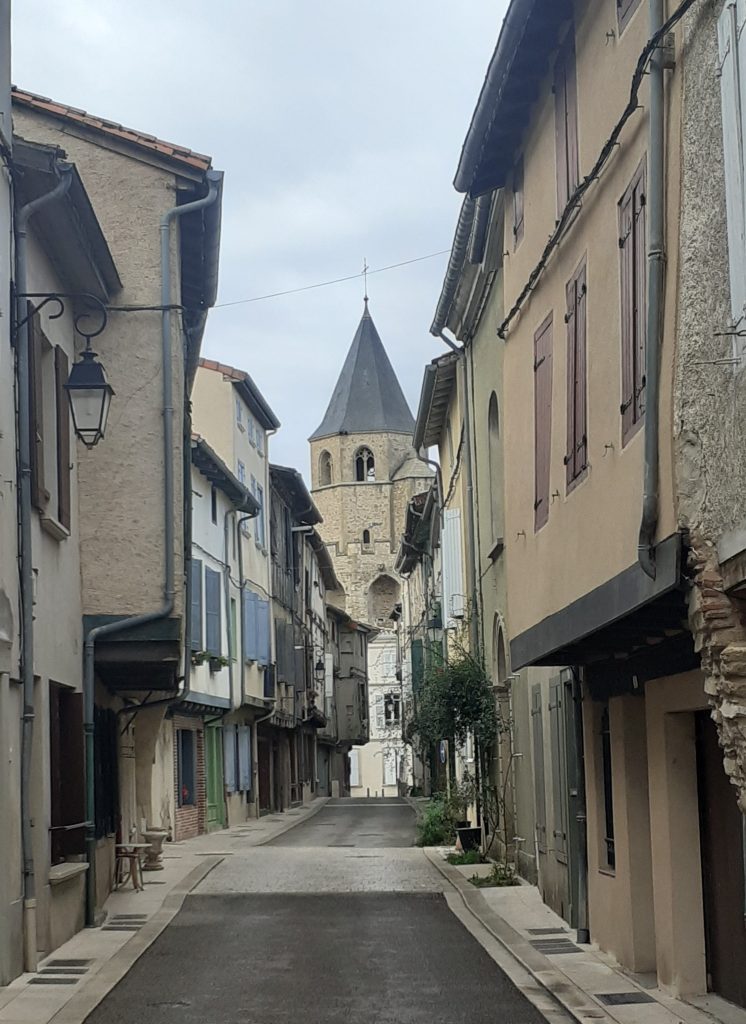
I reached Sorèze by mid morning. A lovely little town dominated by a 14th century clock tower and pretty narrow streets with half timbered houses where the village hobnobs used to live.
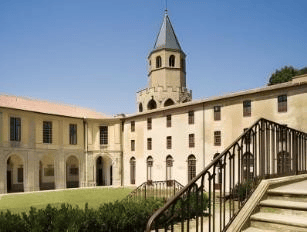
The town’s 8th century Benedictine Abbey was transformed into one of France’s 12 military academies under Louis XIV and attracted students from all over the world until its eventual closure in 1991. At least it wasn’t another correction centre like the one at Aniane!
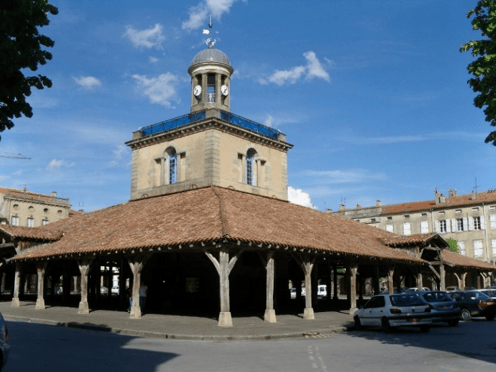
Equally impressive was the 14th century halle of the bastide town of Revel, replete with a clock tower that was added to the original structure in the 17th century, which I reached by midday. The town has a curious name whose origin is the opposite of what you might guess. It has nothing to do with partying and more to do with revolting behaviour, originating from the Latin word rebellis meaning ‘he who revolts’ or is ‘a rebel’. Revel was one of the last bastide towns to be established in France.
Founded in 1342 by king Philip VI of Valois. Its checkerboard plan is very characteristic of these medieval new towns or bastides as they are known in France. All the streets in the centre of town are the same width and all lead to the heart of the city. The arcade or halle in the centre of town is Revel’s jewel in the crown. It features one of France’s largest and oldest covered market halls, supported by nearly 80 massive oak pillars and topped by a historic belfry which was added in the 18th century.
Bastide towns, like my local town of Beaumont-de-Lomagne, were primarily established in south-west France during the 100 Years War and the Cathar crusades to protect communities from attacks by invading armies. Nearly 700 bastides (including famous examples like Cordes-sur-Ciel and Montpazier were founded during the Albigensian Crusades and the Anglo-French conflicts to repopulate war-torn areas, organize agriculture, stimulate trade, and collect taxes. Unlike organic medieval villages that grew randomly around a castle or monastery, bastides were laid out from scratch on a strict, geometric checkerboard (grid) pattern. Key features of bastides included a central, open market square surrounded by covered arcades (couverts), perpendicular streets designed to accommodate merchant cart and narrow separation alleys (andrones) between houses to help prevent the spread of fires. Bastides were also characterised by streets 6m-10m wide, enough for a cart to pass along or sometimes two abreast (carreyras). These thoroughfares also ran through the market arcades in many places, which no doubt meant you risked being mown down if you weren’t careful. Narrower pedestrian alleyways (carreyrous) connected the streets.
Alphonse de Poitiers, who became Comte de Toulouse in 1249, was a bastide-builder par excellence. He used these towns to enhance his power and influence in the region. The towns’ rights, liberties and responsibilities were enshrined in charters. Some bastides were actually built by English kings. Edward I built Monpazier in the Dordogne, which is one of the best-preserved examples, in 1284. Despite their partly defensive role, the bastides were mostly established during a time of peace and were not fortified. In fact, the Treaty of Paris expressly prohibited fortifications. This resulted in the destruction of some of the towns during the Hundred Years War. Other towns rapidly built fortifications in response.
Revel used to be famous for producing a mint liqueur with the rather curious name of Get27. The crème de menthe liqueur was used as an aperitif or in cocktails. Founded just after the French Revolution by Jean and Pierre Get the drink was trademarked in 1868 as Peppermint GET, and used peppermint oil imported from England rather than the locally-grown variety.

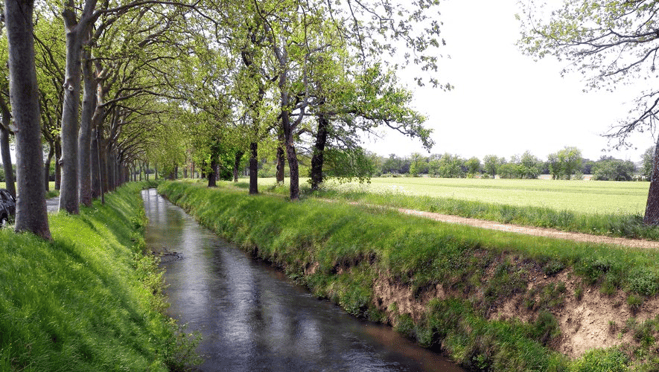
From Revel I followed a mini canal called La Rigole ( which means the joke in French!) for nearly 4 hours to my destination for the day, Saint-Paulet. The mini canal was built in the 17th century by Paul Riquet at the behest of Louis XIV ‘The Sun King’ as a means of filling the Canal du Midi with water transported p80km away in the Black Mountain.
La Rigole may well have been a monumental feat of engineering but it made for rather desultory walking. Too shallow and narrow to hold any fish or suport much in the way of wildlife I made good progress under the shade of the plane trees which lined the route of the water channel.
Ségolène certainly had her hands full. As well as holding down a full time job, she had three young children and a dog to look after as well organising accommodation and sometimes meals for over two hundred pilgrims walking the Chemin d’Arles every year. Now that is what I call multi-tasking!
At 7pm Ségolène and her husband Cédric appeared with my evening meal – cassoulet Castelnaudry and a pitcher of wine. I could see that in my case there would be no belt tightening required after such a feast
I’d walked 40km in 8 hours but wasn’t feeling any ill effects. It felt very much now as if I was on the home stretch. 11 days and 400km covered, just 4 days and 150km to go. On y va!


Leave a Reply