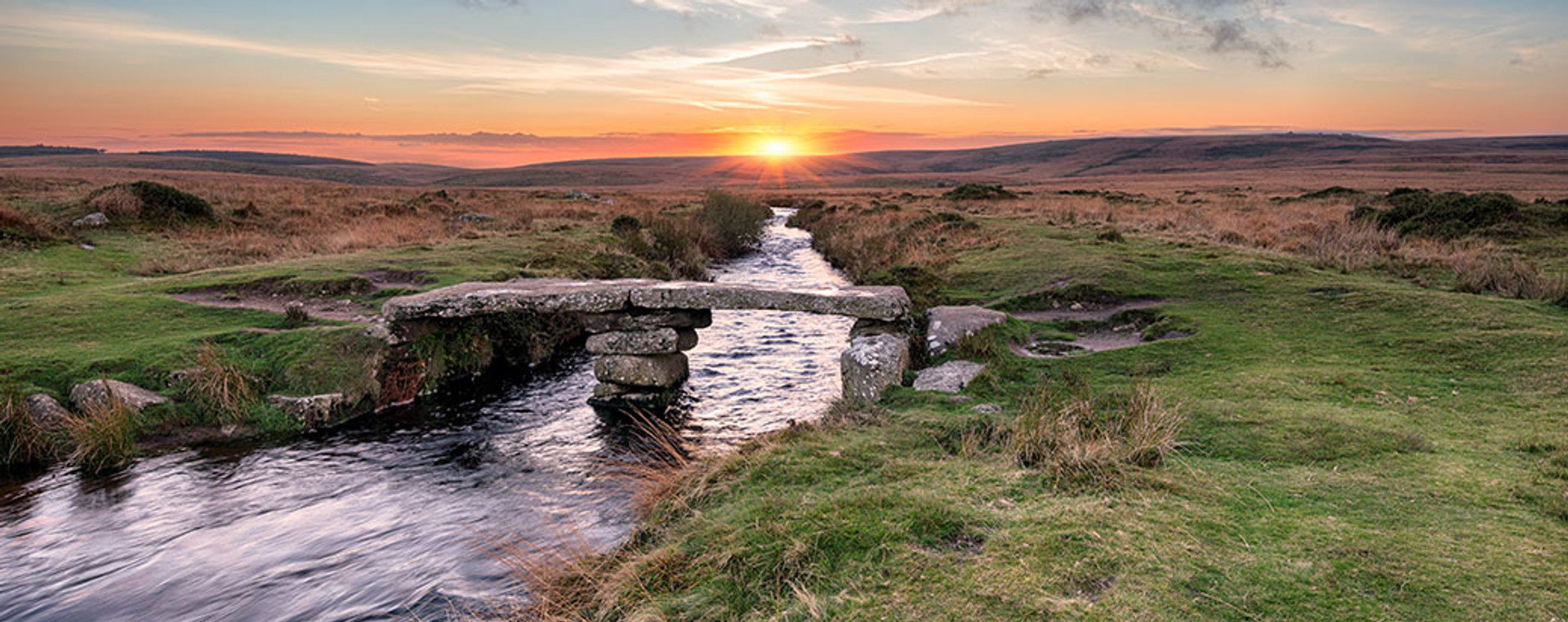
He flashed like a meteor across the sheepdog horizon.There never was such an outstanding personality.
Adam Telfer on Old Hemp
You may wonder what Britain’s greatest export to the world is. Constitutional law? Parliamentary democracy? The steam engine? The Beatles? Scotch Whisky? Mr Bean? We can debate the subject until the cows come home. But in this part of France they are in no doubt – the border collie!
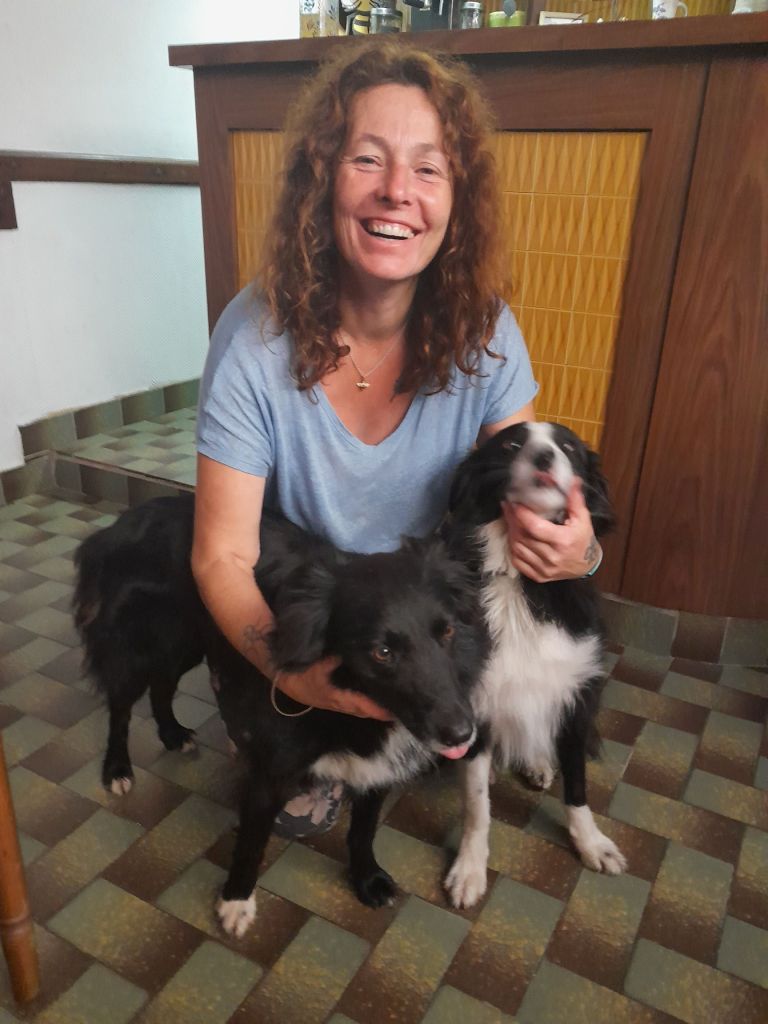
Sandra the owner of the gite had two adorable border collies – Kinka and Luma
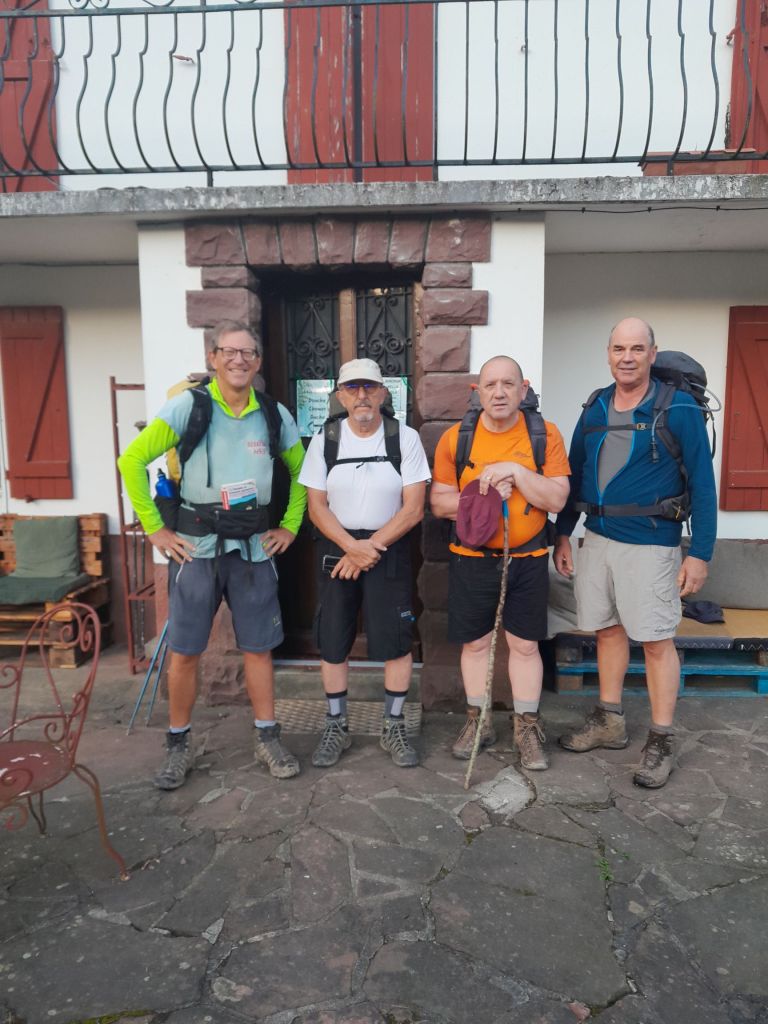
I spent the evening with the Spaniard I had bumped into on Oloron-Sainte-Marie and 3 Frenchmen from tbe Charente region near Le Mans who were walking the Chemin d’Arles. After breakfast we went our separate ways.
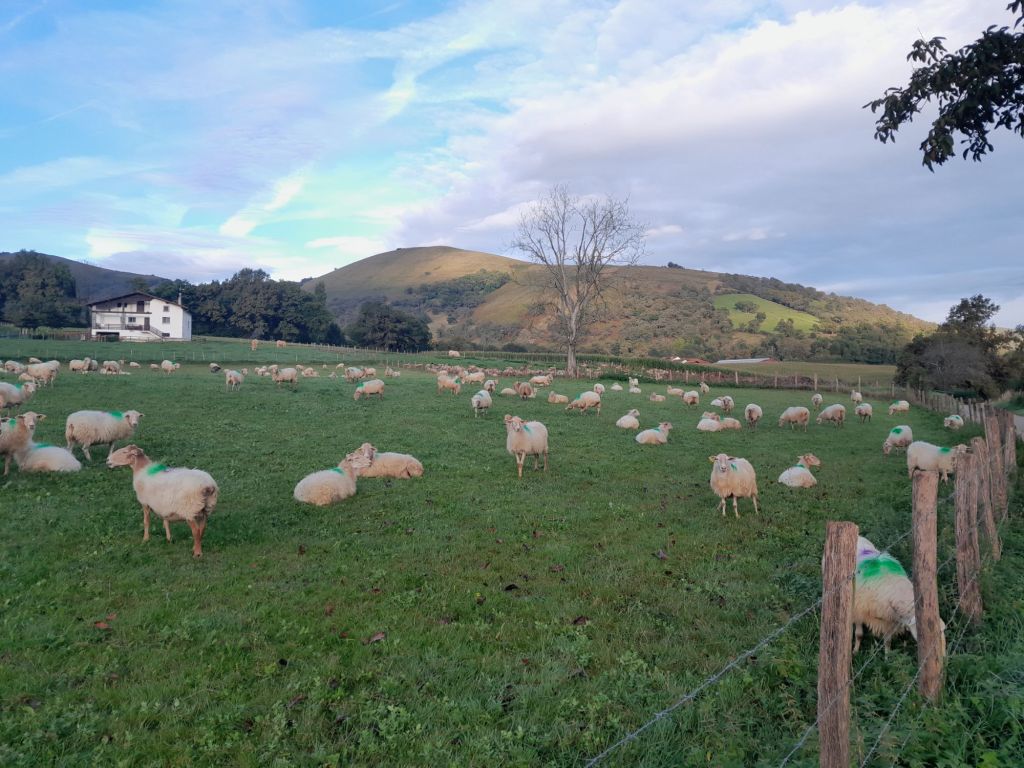
There was no doubt I was deep in sheep herding country. They were everywhere, including a breed with exotic curled horns that you wouldn’t want to get in the way of!
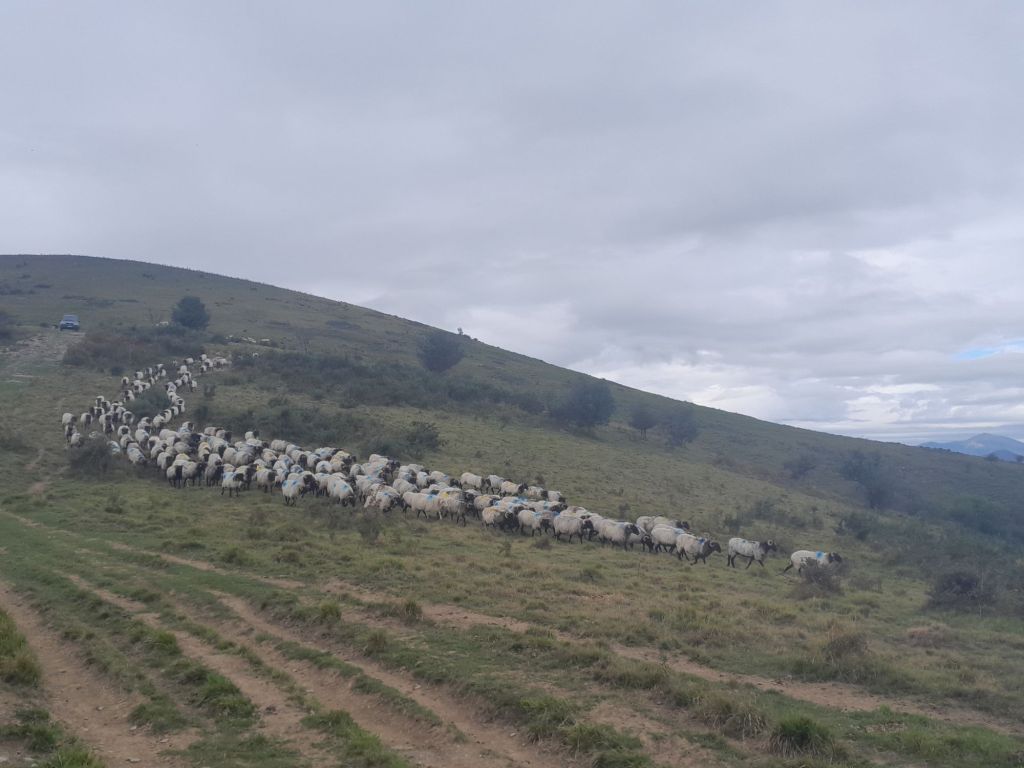
After an hour and a half’s climb up from the valley, I encountered a farmer in a 4×4 with two rather unruly border collies herding a flock of sheep down the mountain.
So back to Britain’s best export to Basque country – the border collie. Although dogs similar to today’s border collies were most likely working alongside farmers as far back as the first century B.C., all the border collies alive today can trace their roots back to one common ancestor, a dog named Old Hemp.
The Romans who invaded the British Isles in the first century brought with them dogs that were used to control and move their livestock. Very quickly, the dogs spread across Britain, as well as Wales, Ireland, and Scotland.
Later, when the Roman Empire had fallen, and the Vikings invaded England, another type of dog was introduced, a smaller herding dog that resembled the Spitz.
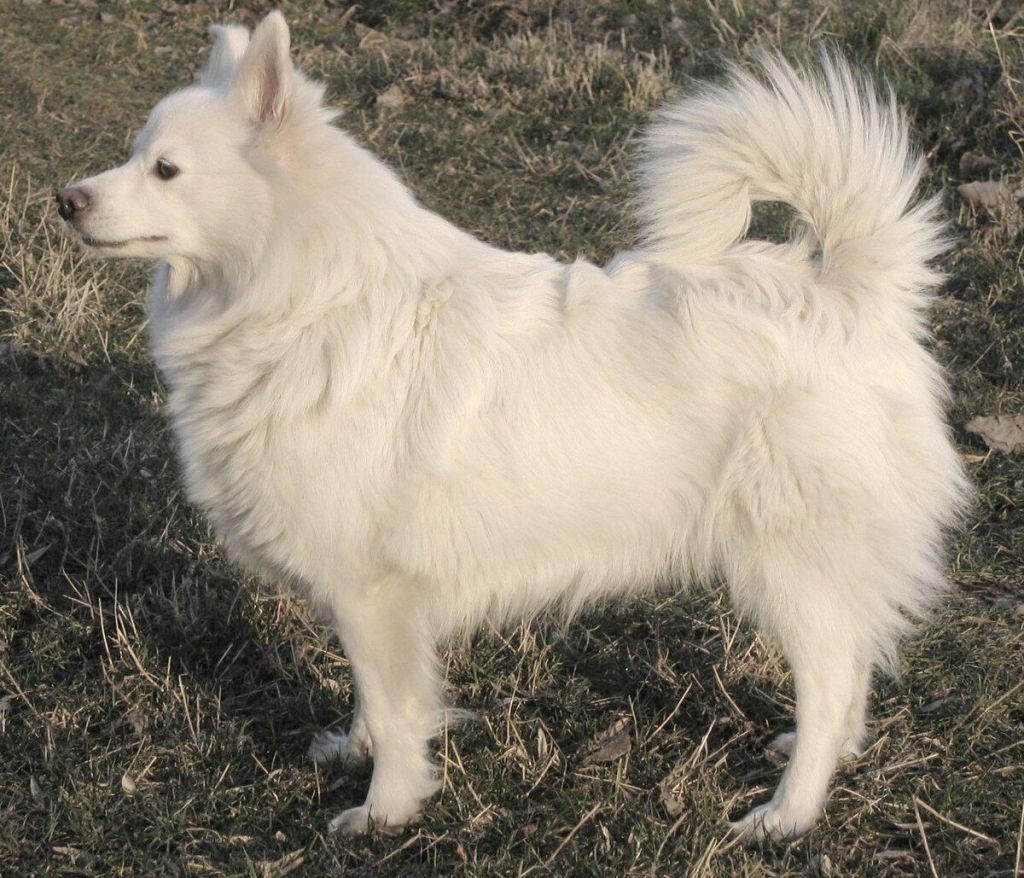
These dogs were bred with the larger Roman dogs and the results were medium-sized dogs with longer fur that were well-adapted to the geography and climate of the British Isles, excelled at herding, and were agile and athletic… the forerunner of today’s border collie.
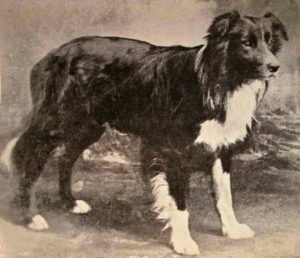
A dog called Old Hemp, was born in September 1893 in West Woodburn in Northumberland to a black sheepdog named Meg and a tri-colored herding dog named Roy.
Old Hemp didn’t look like the border collies of today with his tri-colored coat and minimal amounts of white fur, but he was an extraordinary dog.
While still a pup, less than six weeks old, Old Hemp demonstrated his tremendous herding ability.
The dog’s owner and breeder, Adam Telfer, was impressed with Old Hemp’s intelligence, natural instincts, and herding ability and the animal quickly became the top working dog on the farm.
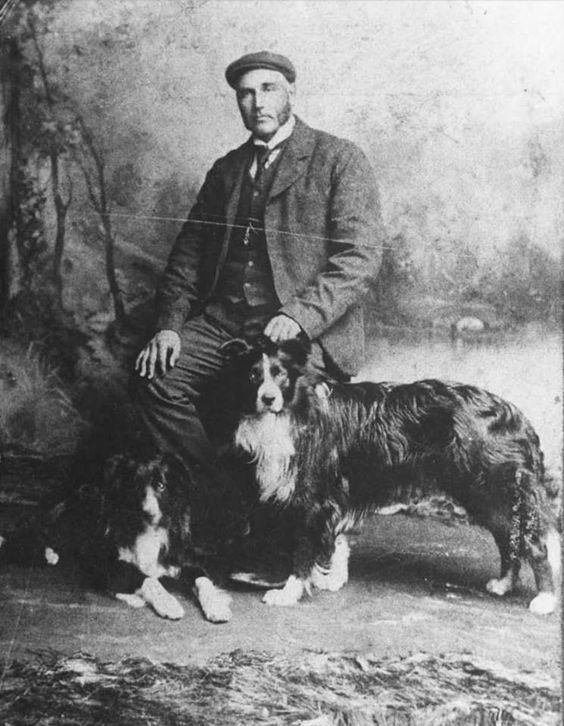
One aspect of Old Hemp’s herding style that made him unique among other sheepdogs is that he did not rely on barking to do his job. Instead, he used his body positions. He also seems to know how and where the sheep would be moving and was able to quickly and easily head them off.
Old Hemp’s owner, Adam Telfer, was quite experienced with sheepdogs but had never before seen a dog of Old Hemp’s calibre.
Old Hemp’s reputation as an outstanding herder made him highly sought after as a stud dog. People around the region wanted puppies sired by the legendary herding dog so they brought their dames to Telfer.
By some accounts, Old Hemp may have had as many as 200 puppies and two of it’s distant offspring, Kinka and Luma, were gamboling around my feet in Sandra’s gite some 100 years later. It was quite a thought!

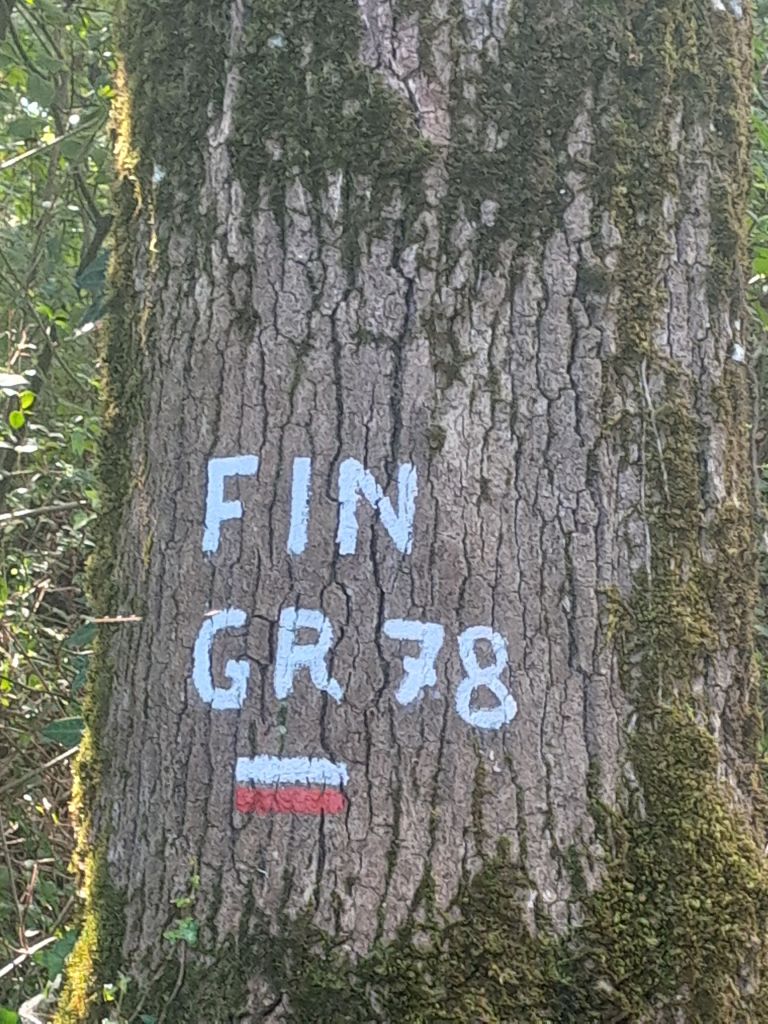
Shorfly after descending from a ridge down into the valley towsrds Saint-Jean-Le-Vieux, I passed a sign announcing the finish of the GR78 which I had been following all the way from Carcassonne.
No sooner had I joined the GR65 ( which starts in Le Puy en Velay and finishes at Saint- -Jean-Pied-de-Port before morphing into El Camino which ends up in Compistela) and the atmosphere changed. There were bucket loads more pilgrims!
At Saint-Jean-Le-Vieux I decided it was time for a final bit of culinary indulgence – burger, beers and chocolate ice cream which sent my dietary regime up in smoke once again!
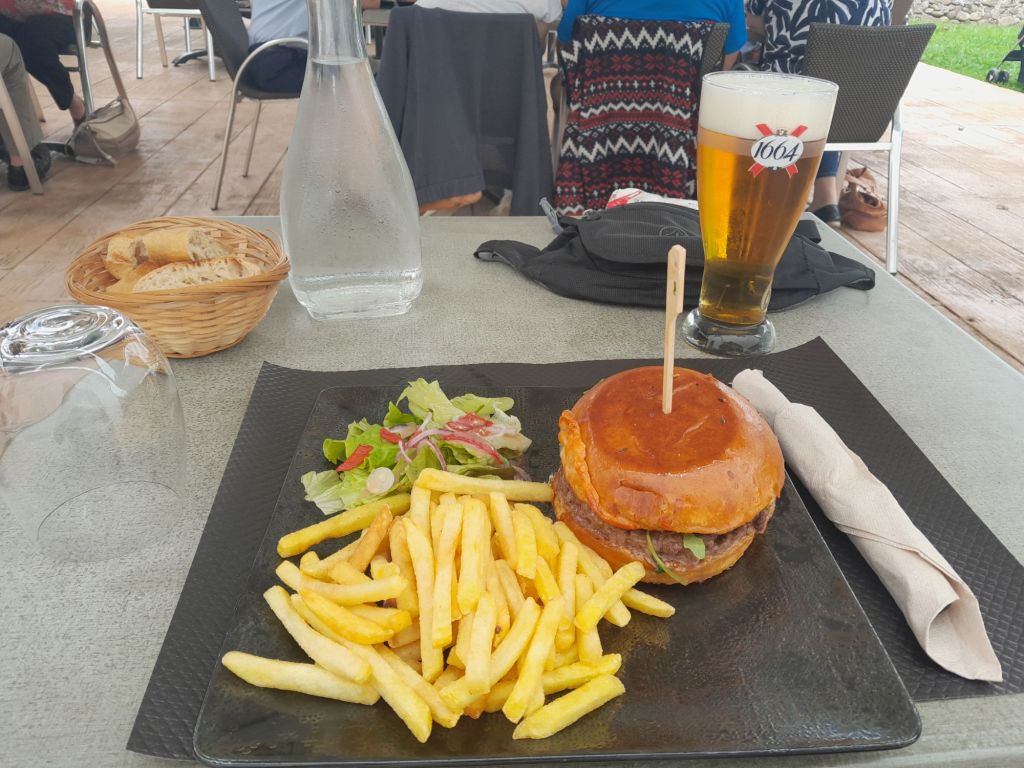
I finally arrived in Saint-Jean-Pied-de-Port shortly after 3pm.
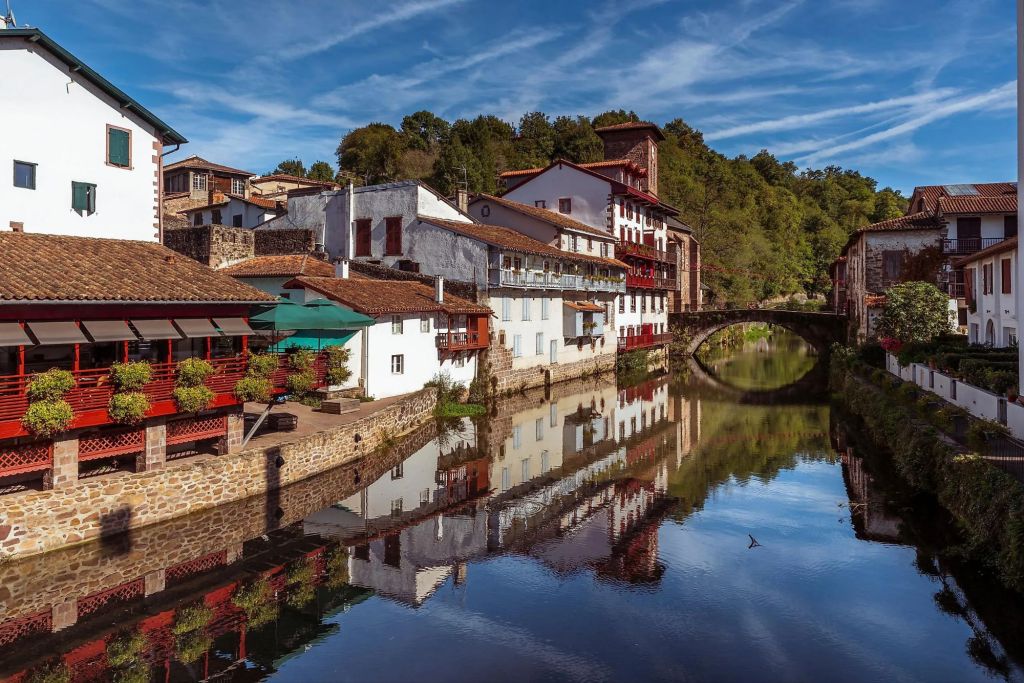
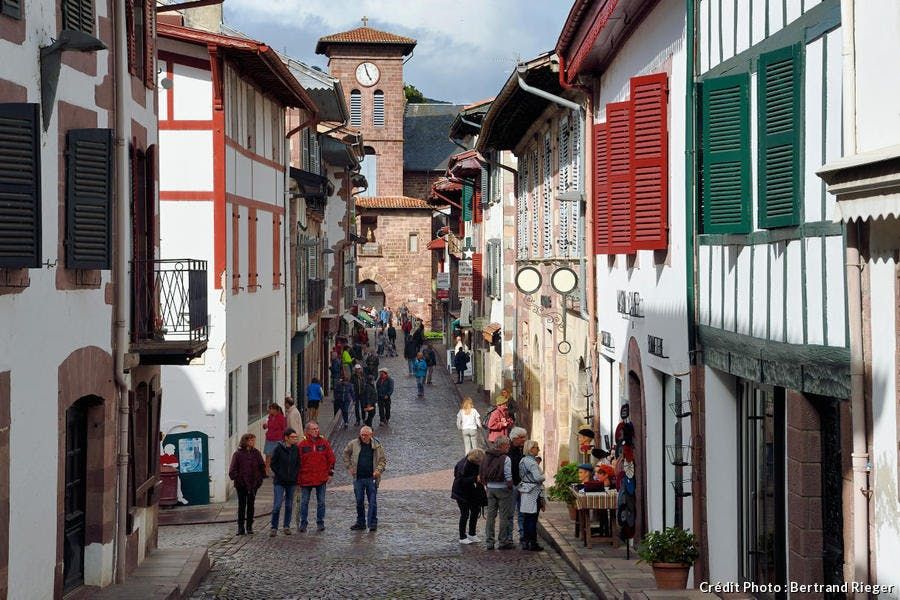
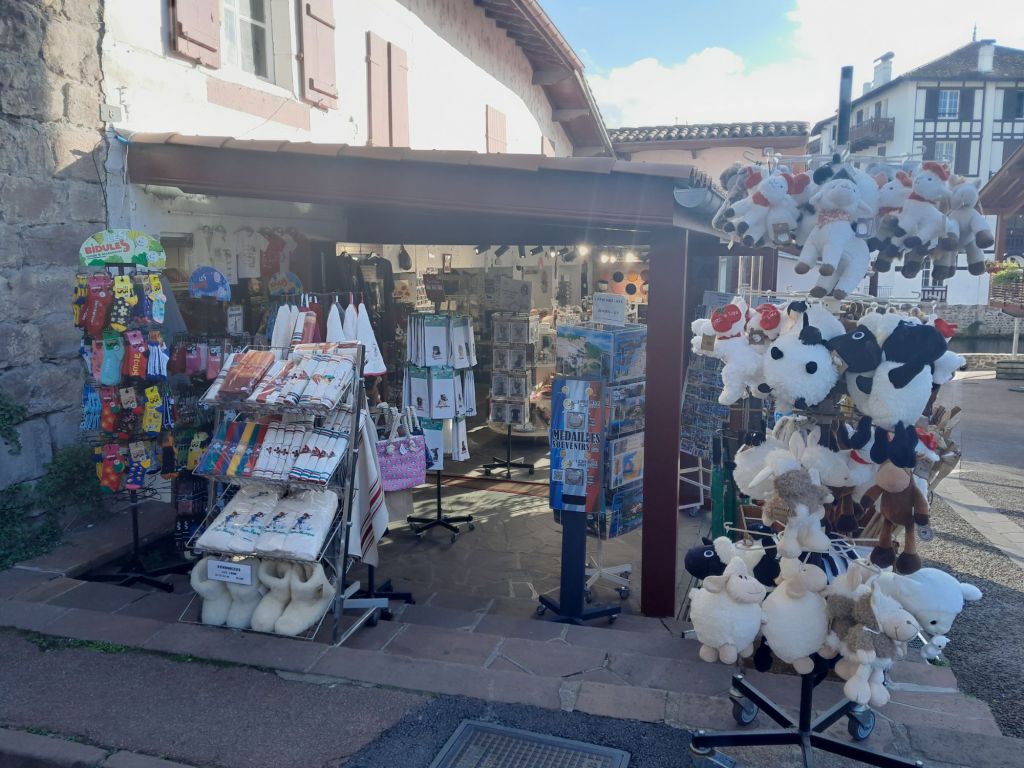
Like Lourdes, I’m not sure what I was expecting. Certainly not the hordes of pilgrims about to embark on El Camino or the accompanying melée of gift shops selling everything from espadrilles to natty basque hats which no bona fide pilgrim could do without.
They were playing the final of a game of Pelota that afternoon. I was tempted to buy a ticket and watch France’s finest pelota players spring in action. But having seen a pelota match in Macao many moons ago, I wasn’t overly enthused. Instead I ooted to decompress in one of the town’s innumerable cafés and reflect on the last 16 days of walking on tbe GR78 from Carcassonne to Saint-Jean-Pied-de-Port.

I didn’t have great expectations before embarking on tbe GR78 ( Le chemin de piémont pyrenéen). But in fact I was pleasantly surprised. Not only by the varied landscapes, the host of interesting people encountered but also the physical challenges of the walk. 530km completed in 16 days – Carcassonne seemed a long time ago!

It had proved a wise move not to continue on the GR10 to Hendaye. The crossing of the Pyrenees is a challenge that awaits for another year!


 Pilgrim's Progress - Long Distance Walks in Europe and the UK
Leave a comment