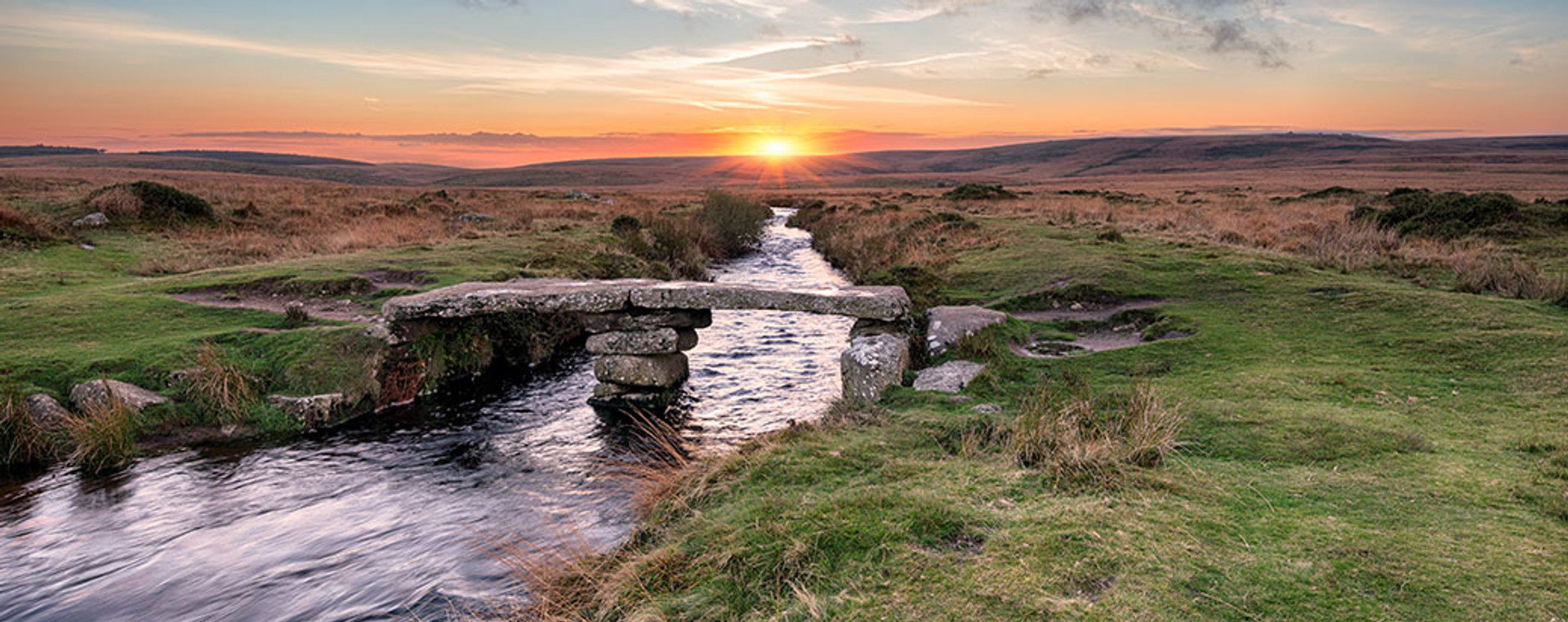
Where are the songs of spring? Ay, where are they?
Think not of them, thou hast thy music too,-
While barred clouds bloom the soft-dying day,
And touch the stubble-plains with rosy hue;
John Keats – Ode to Autumn
With the harvest over in south west France, the shadows lengthening and the days shortening, it is that time of year when thoughts turn once more to heading off on a long walk.
Almost 3 years ago, just before I set off from Winterbourne Stoke to walk to Rome along the Via Francigena, I was chatting over Sunday coffee to an acquaintance who lived in the neighbouring village of Great Wishford. As I outlined my upcoming walk plans to him, a quizzical expression crossed his face. “You’ve stolen, my thunder”, he joked, “I was thinking of embarking on a similar walk across France to raise money for the church of St Giles in Great Wishford. The pilgrim route is called the Way of St Giles”.
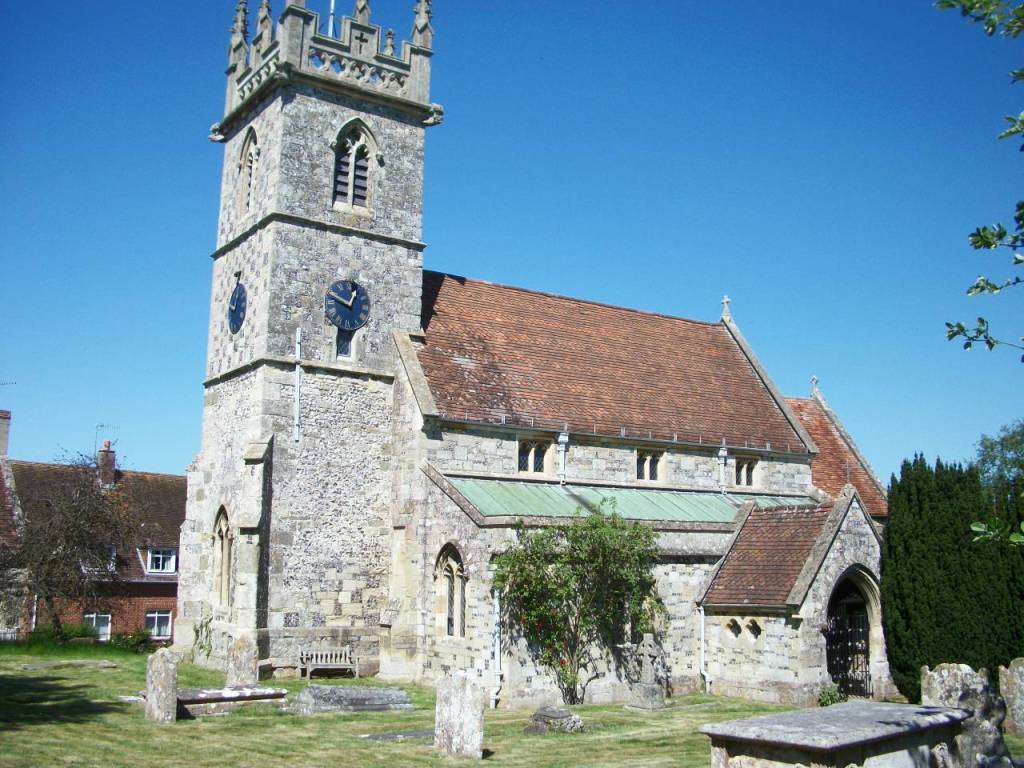
Many is the time that I have attended Sunday services and sang in the benefice choir at Great Wishford. Friends from the village are coming to stay with us in France next month. But, as far as I know, nobody from the village or the Till valley has yet to walk the Way of St Giles. That is until now!
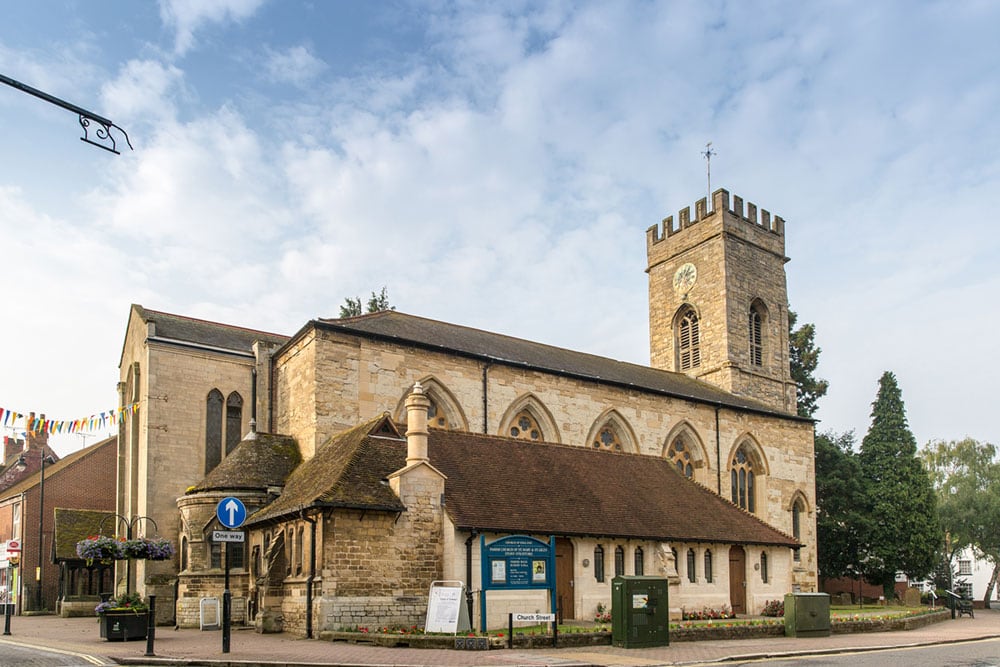
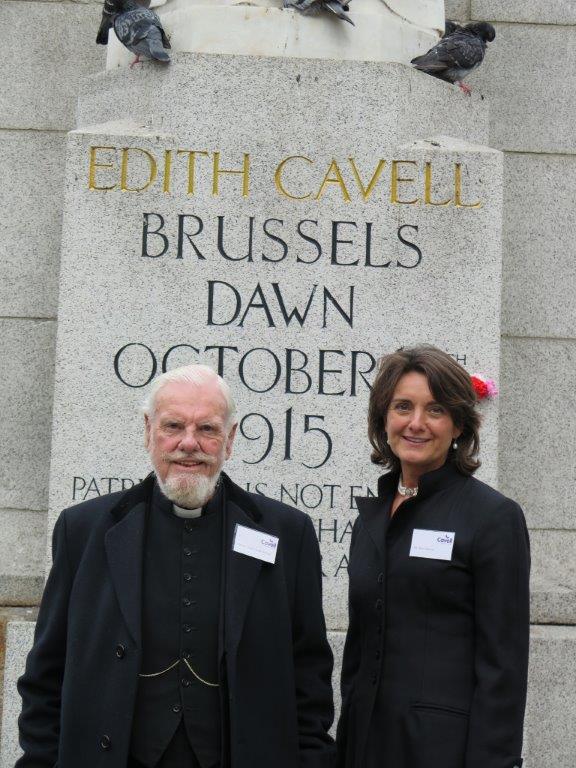
I have to confess there is also a personal element to walking the Way of St Giles. My father-in-law, The Revd Canon Cavell Cavell-Northam was priest of the church of St Mary and St Giles in Stony Stratford. I hope he would he would have approved of my latest pilgrim foray.
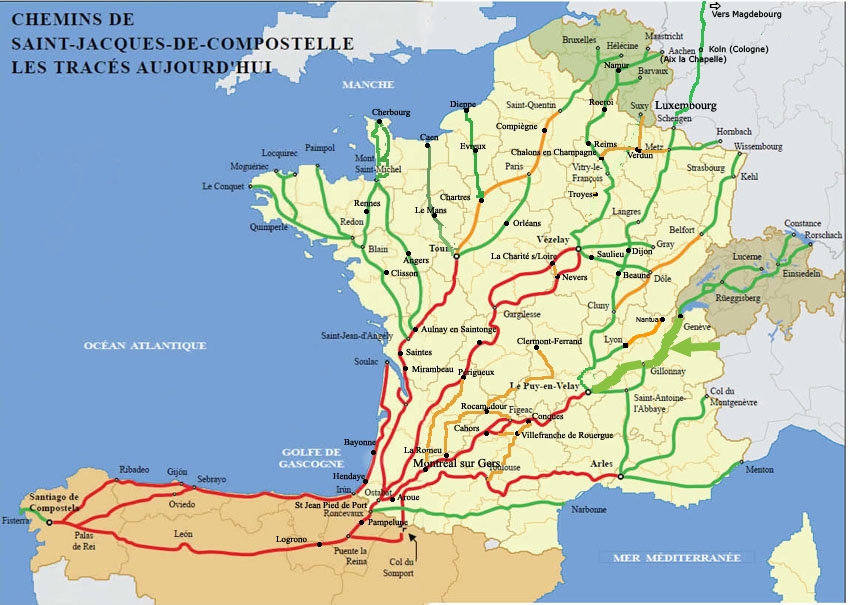
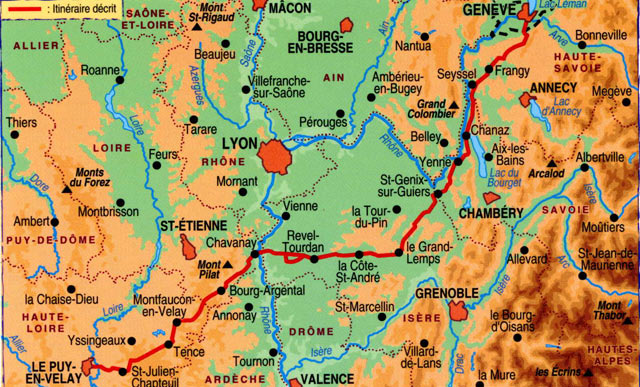
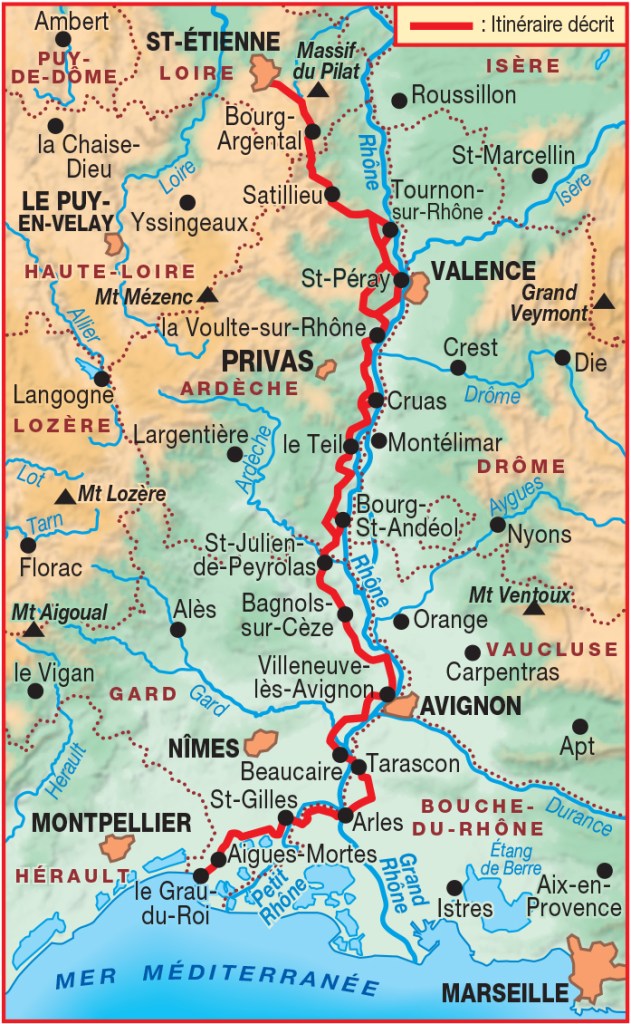
In a little over a week, I am planning to head off from Geneva along the Via Gebennensis to Le Puy. Along the way I’m planning to stay with pilgrim host families, much as I did earlier this year on the Chemin de Cluny. It’s a fantastic way to meet some fascinating and generous hosts as well as giving me the opportunity to practice my French in the “real world”.
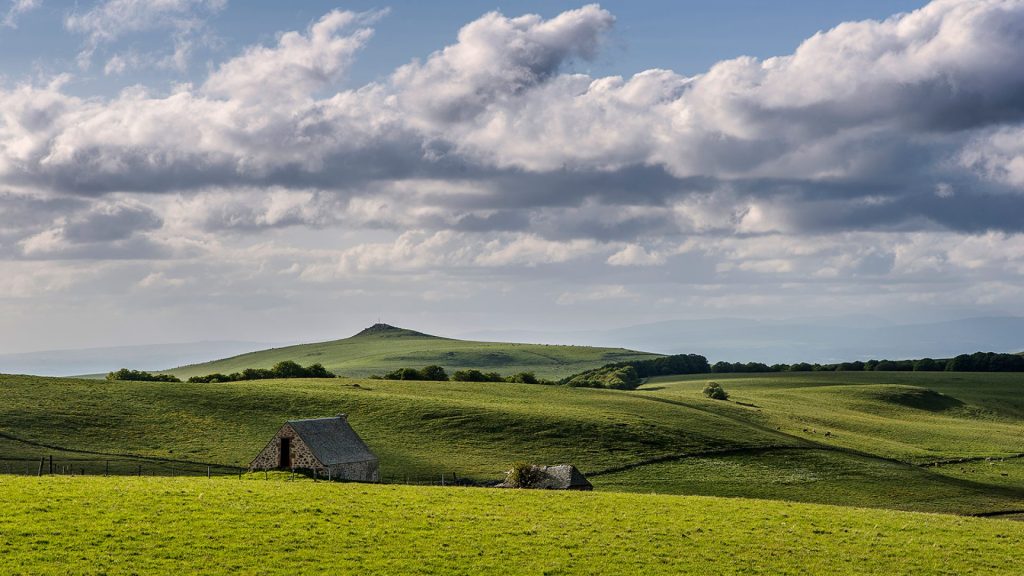
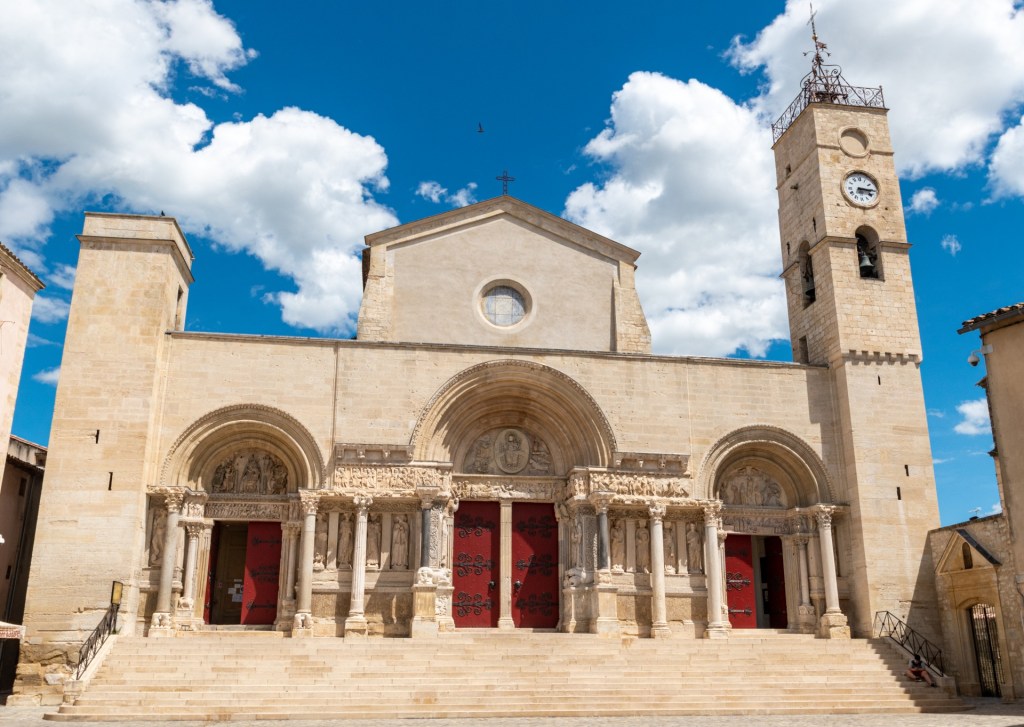
From Le Puy I will join the Way of St Giles, and walk a further 250km towards St Gilles-du-Gard, the sanctuary dedicated to St Giles who founded a monastery nearby in the 8th century. My route will take me south through the Aubrac, across the Lozere to St Gilles-du-Gard.
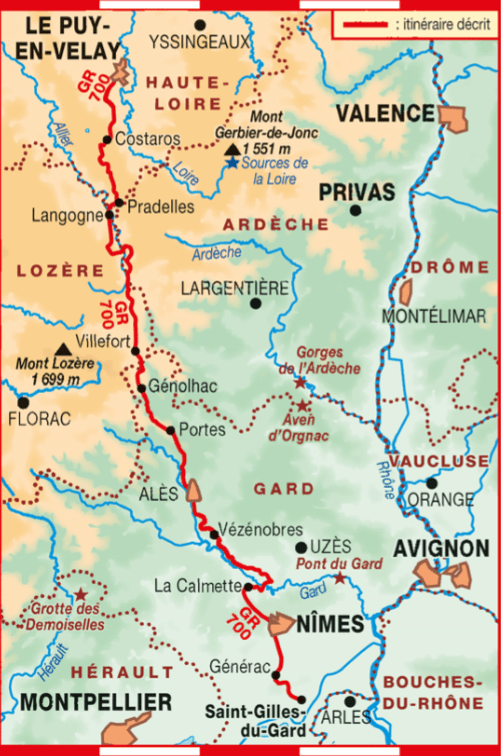
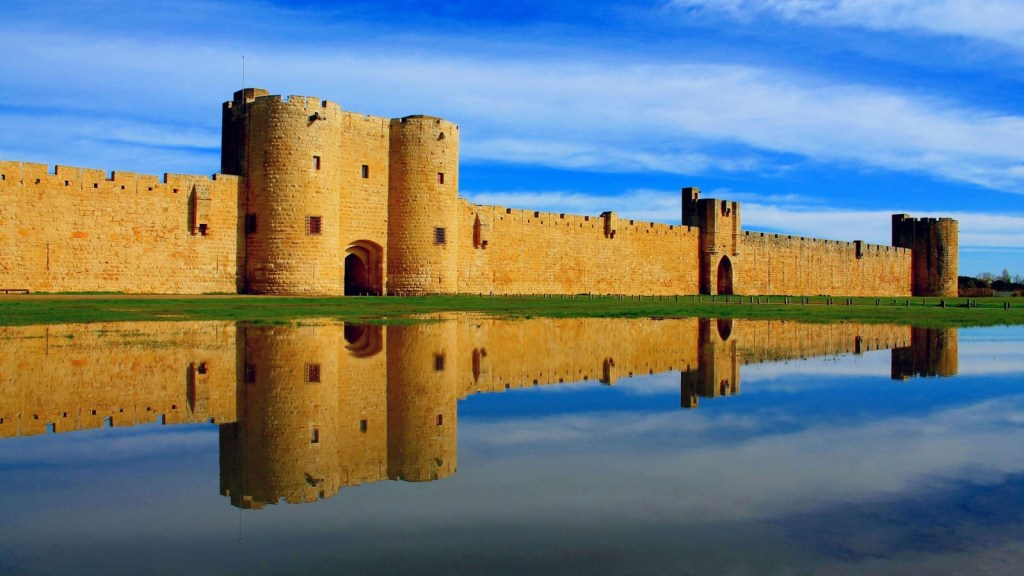
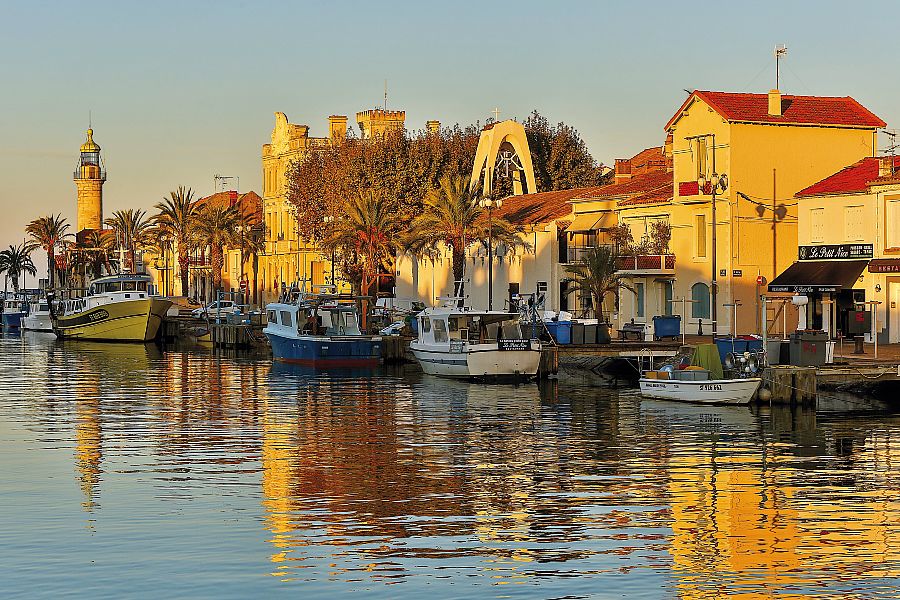
If time allows, I’ll try and finish the walk some 35km beyond Saint Gilles-du-Gard at Aigues-Mortes, ,the magnificent walled city in the Camargue marshes founded by St Louis in the 13th century as a port to transport crusaders to the Holy Land. Maybe, if time allows, I’ll even make it a bit further along the GR42 to le Grau-du-Roi and take a dip in the Med.

So who exactly was St Giles and why did the pilgrim route to St Gilles-du-Gard become one of the most popular pilgrim routes during the middle ages? Why are almost 150 churches in England and Scotland dedicated to St Giles, who most people nowadays have never heard of?
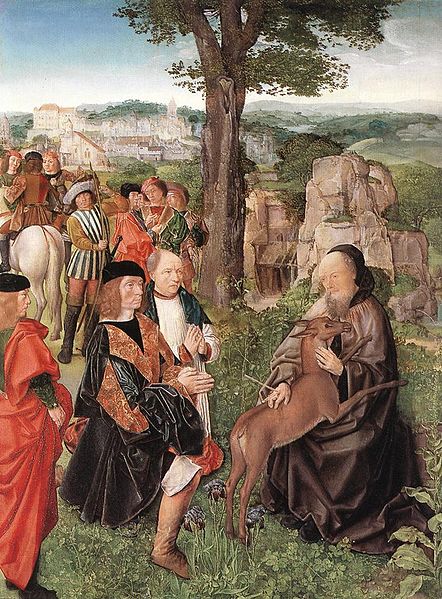
Reputed to have been born in Athens in around 650 AD, Giles’ parents died when he was 24. Stricken by grief he sold all his possessions which he gave to the poor in order to follow Christ and promptly sailed off to Provence. Once ashore he chanced upon a cave where an old hermit had been living for years on roots and herbs. He was apparently happy to share his cave with Giles as well as his food and prayers .
After three days Giles began to worry that his friends might find him (or perhaps he tired of the meagre fare on offer), so he hailed a passing ship (as one does)and sailed on further westwards to Marseilles. Still seeking solitude, he crossed the Rhone and travelled towards a rocky promontory above the river Gardon and here, in a cave, the entrance of which was hidden by a thicket, he found another solitary hermit , also a Greek. He only stayed there a short while before continuing his journey until, finally, in the depth of a forest near Nimes, he found a hollow rock in a green glade by a stream, shaded by four gigantic oaks. There he lived in peace and prayer for a number of years, his only companion being a gentle hind (his emblem), whose milk he drank.
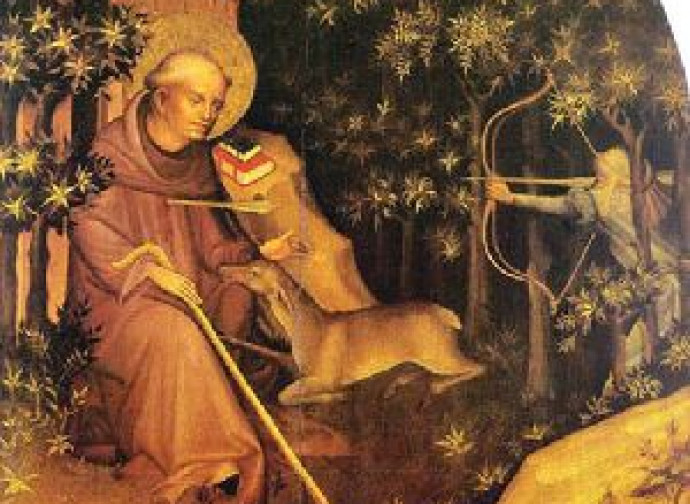
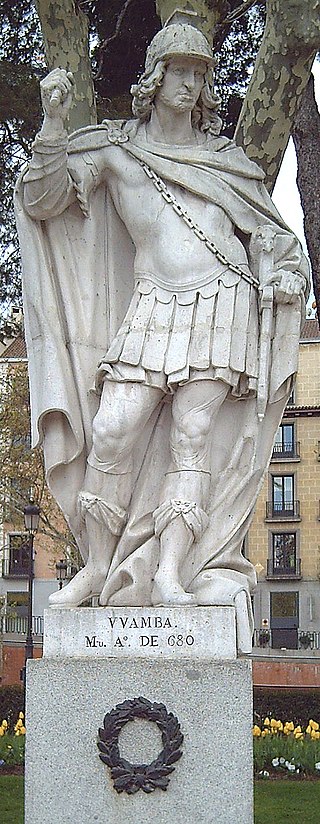
Here, he was by chance discovered by Flavius (Wamba), king of the Visigoths. The king was out hunting and shot an arrow at the hind, missed it and unfortunately hit Giles, who was at prayer One hunter shot an arrow into the thorn bush, hoping to hit the deer but instead hit Giles in the leg, crippling him. The king sent doctors to care for hermit’s wound and though Giles begged to be left alone, the king came often to see him. Though wounded, Giles continued at his prayers and refused all compensation for all injuries (these were the days before clin neg lawyers). This harrowing incident made him a great favourite at the Court of King Wamba (so the story goes), who pressed him to stay rather than returning to his hermit retreat . The king would have given him lands for any foundation he chose, but no entreaties would persuade him to desert his life of solitude and prayer.
From this point, Giles’s fame as a sage and miracle worker spread far and wide and would-be followers gathered near the cave. The French king, because of his admiration, built the monastery of Saint Gilles du Gard for these followers and Giles became its first abbot. Legend goes on to claim that Giles consented to be the founder of the monastery near Nimes about 673 AD, which flourished till the Saracen invasion, when it was burned down and he and his monks took refuge with Charles Martel, aiding him by their prayers in his great battle for Christianity in the West.

St. Giles’ monastery was restored, and with the words, ” Lord, now lettest Thou Thy servant depart in peace,” he died on September 1st, 720 AD.St Giles became one of the most popular saints in the West, the patron saint of woodland, of lepers, beggars, cripples and of those struck by sudden misery and driven into solitude like the hind, which, according to one tradition, came to St. Giles wounded.
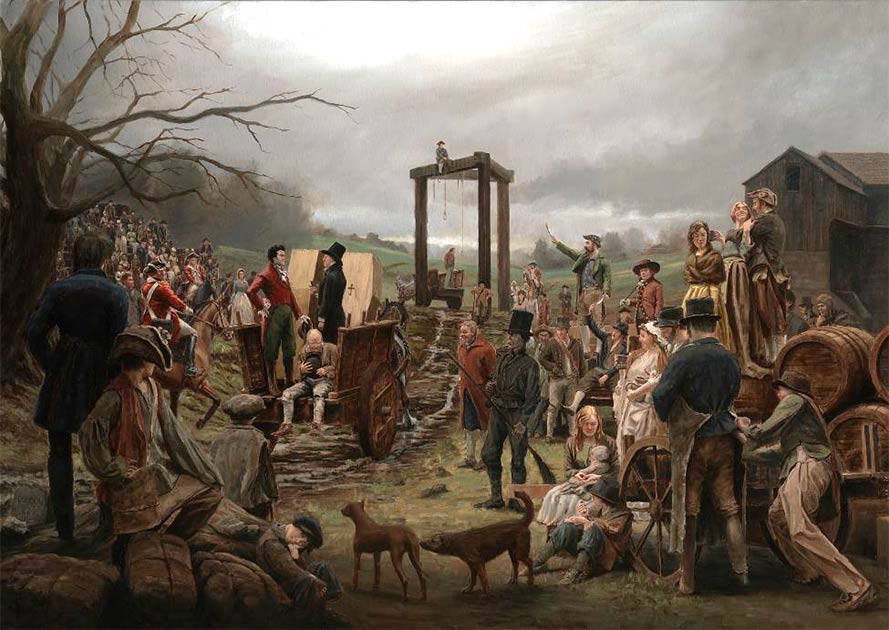
The combination of the town, monastery, shrine and pilgrims led to many handicapped beggars hoping for alms; this and Giles’ insistence that he wished to live outside the walls of the city and his own damaged leg, led to his patronage of beggars, and to cripples since begging was the only source of income for many. Hospitals and safe houses for the poor, crippled, and leprous were constructed in England and Scotland, and were built so cripples could reach them easily. On their passage to Tyburn for execution, convicts were allowed to stop at Saint Giles’ Hospital where they were presented with a bowl of ale called Saint Giles’ Bowl, “thereof to drink at their pleasure, as their last refreshing in this life.”

In the Middle Ages the pilgrimage to St Gilles-du-Gard was the fourth most popular after Santiago de Compostela, Rome and Jerusalem. The highlights of my route include staying in one of the most luxurious pilgrim gites in France – the Chateau de Pelly, some 50km south of Geneva on the Via Gebennensis. For the princely sum of 38 euros one can stay in a room reserved for pilgrims, enjoy an evening meal and breakfast as well as (according to a Swiss pilgrim I met earlier this year on the Chemin de St Jacques who had stayed there) being allowed to use the Chateau’s swimming pool!
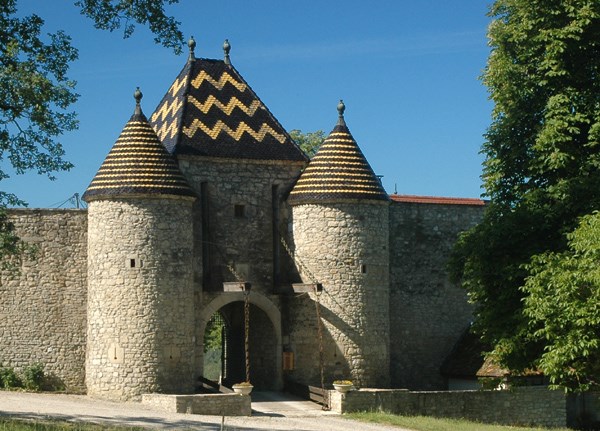
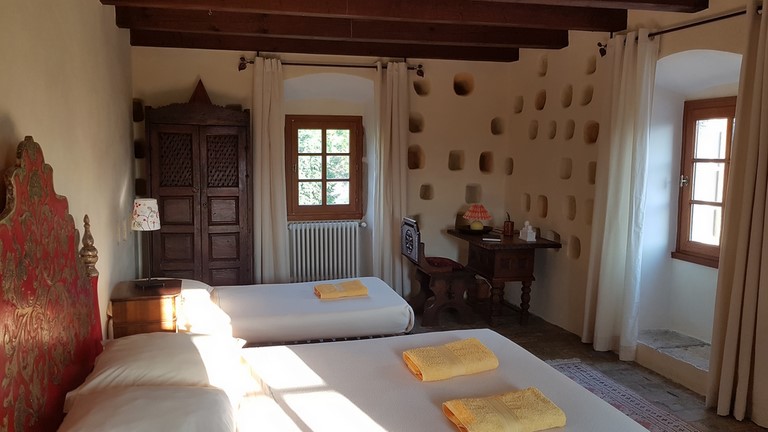
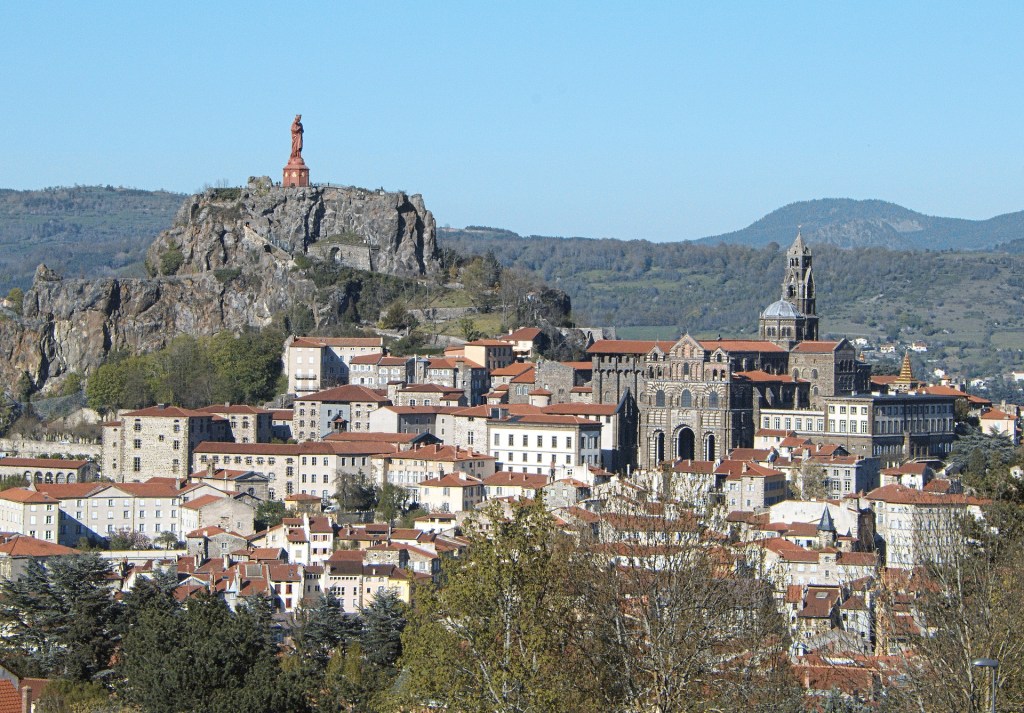
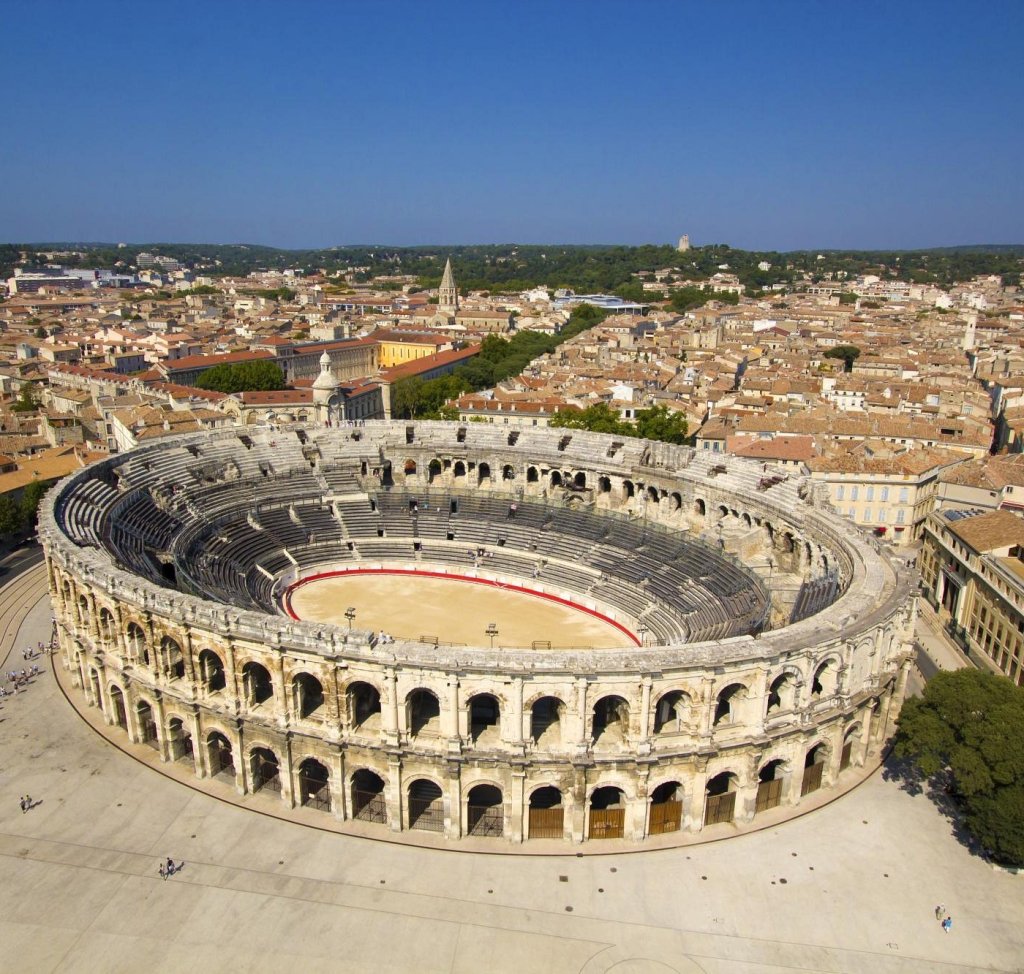
Highlights of the walk will include the holy city of Le Puy-en-Velay, crossing the Aubrac plateau, the Roman aqueduct at Pont-du-Gard near Nimes, the Roman amphitheatre at Nimes, the pilgrim shrine at St Gilles-du-Gard and the 13th century fortified town of Aigues-Mortes. All I need now is for the sun to shine and I will be ready for the off.

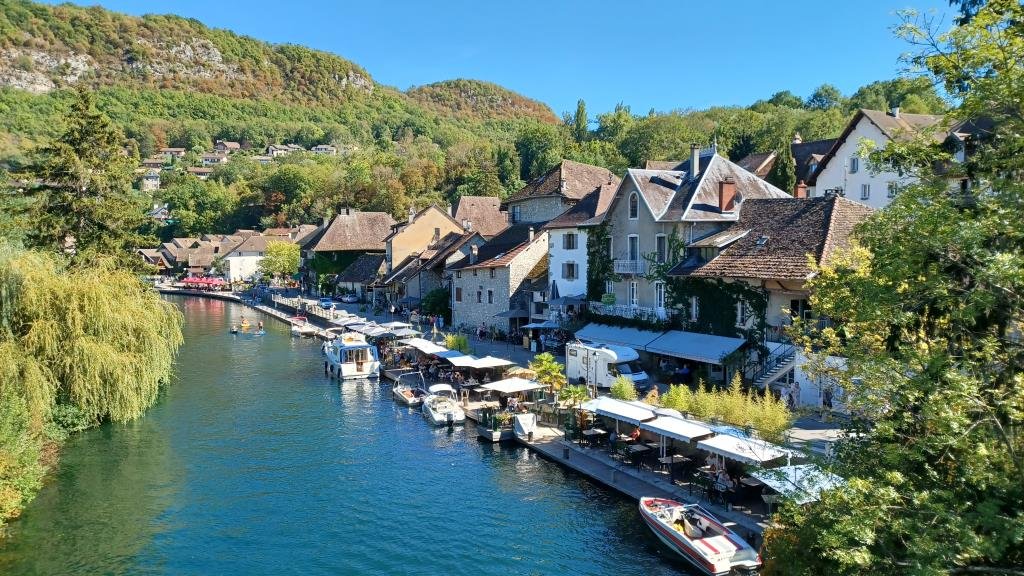




 Pilgrim's Progress - Long Distance Walks in Europe and the UK
Leave a comment