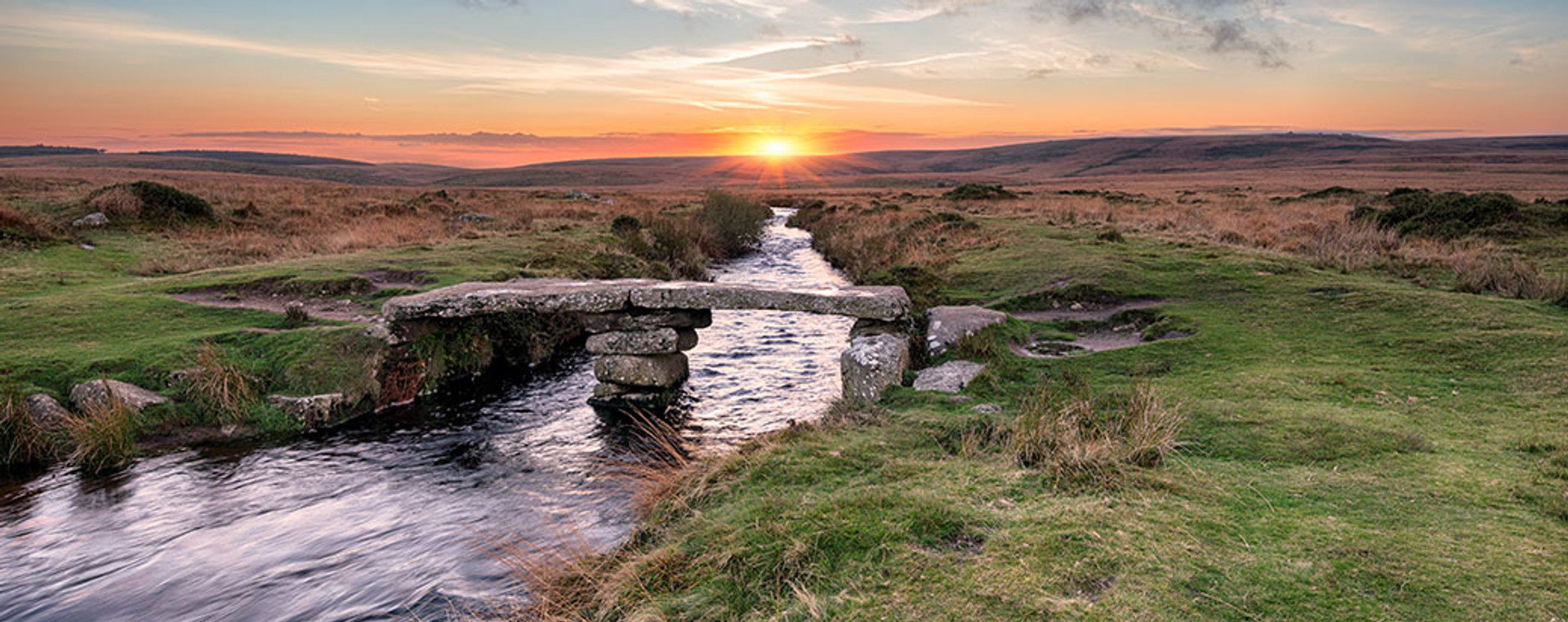
It was a real pleasure to enjoy Jean Marie’s company in his home in Grabels and I was sorry to say goodbye to him and head off on my way to Saint-Guilhem-le-Desert.
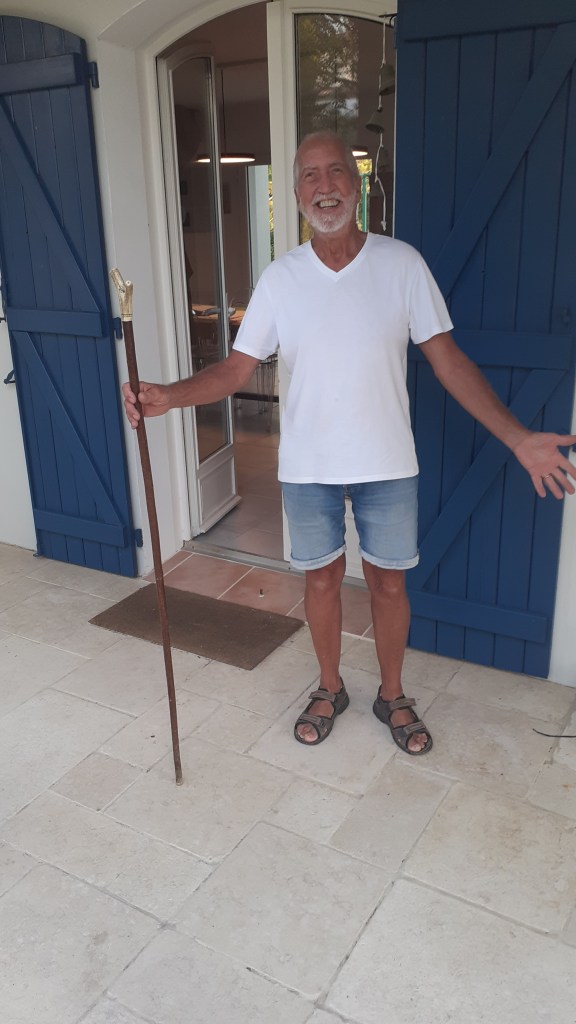
Just after leaving Grabels I came across a strange site – a huge enclosure containing thousands of solar panels. A couple of goats scrabbled around in the brush looking somewhat disconsolate.
I pushed on, passing through the pretty village of Montarnaud which had a huge school, a large number of houses barricaded behind metal gates but nowhere which sold any food!
I then encountered the first real climb of the walk, a lung busting ascent of a narrow rocky path through the garrigue. At the top I was surprised to meet a couple of old Japanese ladies who were taking a couple of months holiday to walk around France. Both must have been in their 70s but one of them didn’t appear to speak a word of French or English.
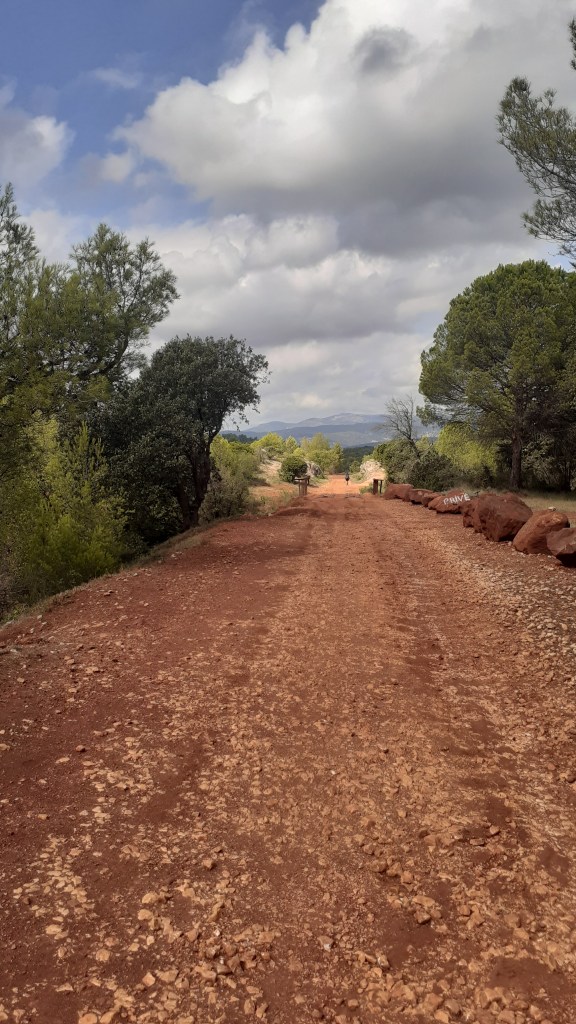
The path towards Aniane followed the path of an old railway line which used to link Lodéve to Montpellier. The line only closed in the late 1960s at the same time as a bauxite mine in the same area.
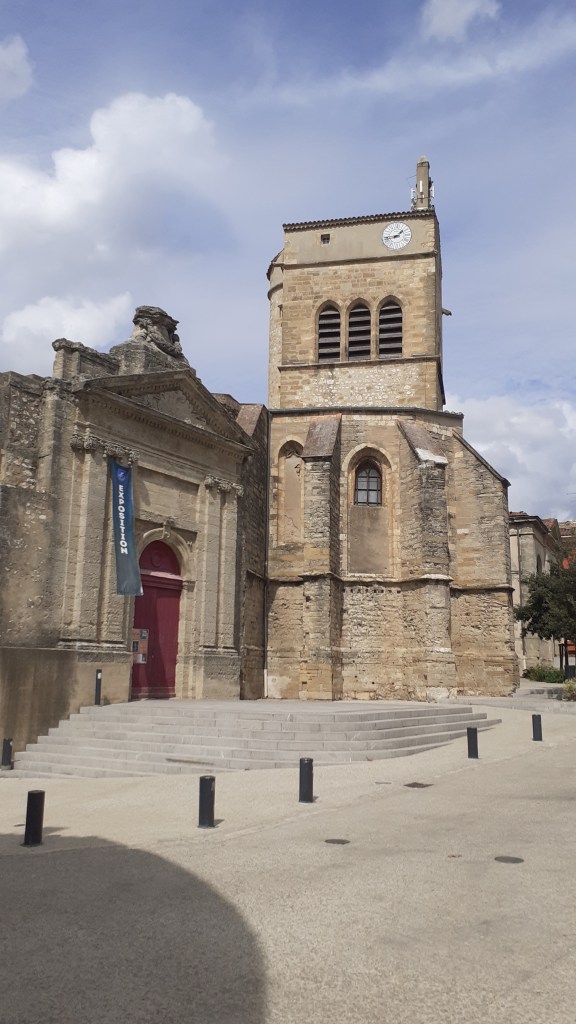
Aniane was a charming little town full of narrow streets which can’t have changed much over the centuries. The centre of town was dominated by the Chapel of the Penitents.
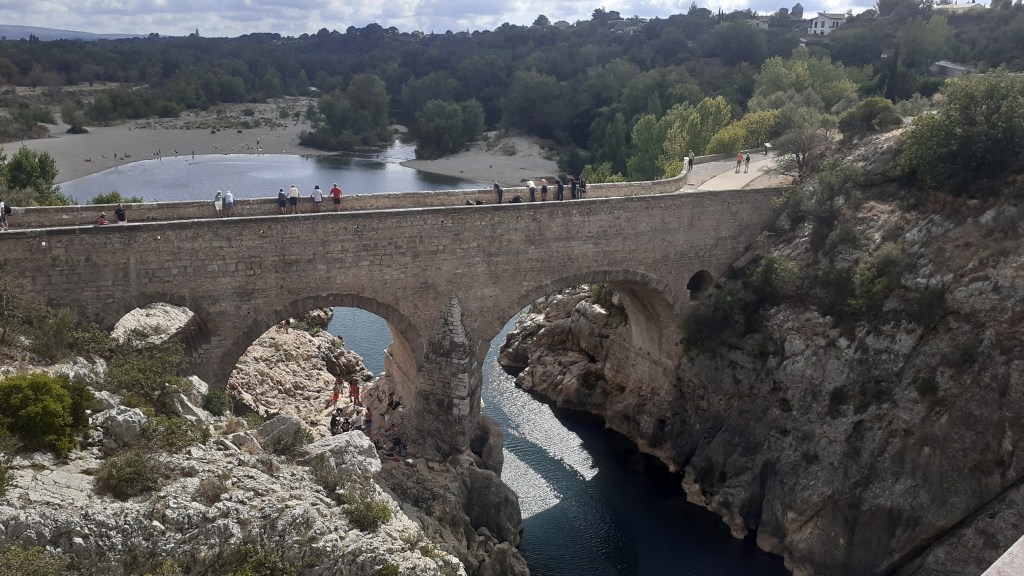
Just outside Saint-Guilhem-le-Desert I crossed the Pont du Diable (Bridge of the Devil) which crosses a deep gorge and is one of the earliest Romanesque bridges in France. Originally built in the early 11th century the bridge owes it name to tbe legend that the Abbey of Ariane built the bridge to appease the devil, promising him the life of the first creature to cross the bridge. Instead of a human, a dog was the first to cross the bridge. The devil was so angry that he threw himself off the bridge.
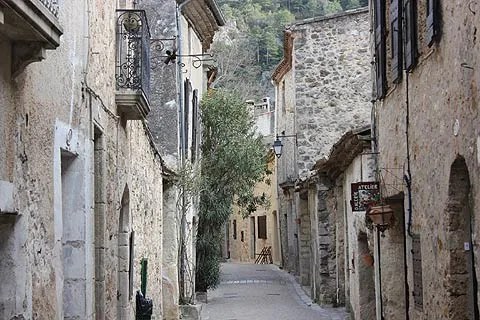
When I arrived Saint-Guilhem-le-Désert was heaving with coach loads of tourists. The village is a Unesco protected historic site and also a place of pilgrimage in its own right.
The legend of the village is linked to that of its founder, Guilhem, grandson of Charles Martel and cousin of Charlemagne who withdrew from the world after covering himself with glory during numerous battles against the Saracens.
In 806 AD, he became a monk and built a monastery which in the 12th century took the name of Saint-Guilhem-le-Désert, and became an important staging point for pilgrims on the way to Santiago de Compostela. It also became a place of pilgrimage itself thanks to a relic: a piece of the true cross brought back from Jerusalem.
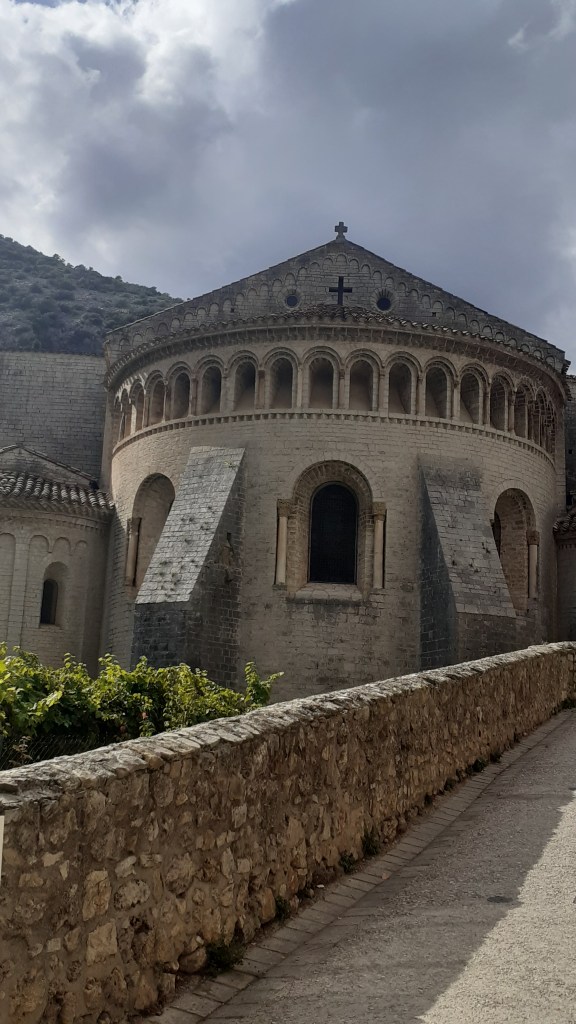
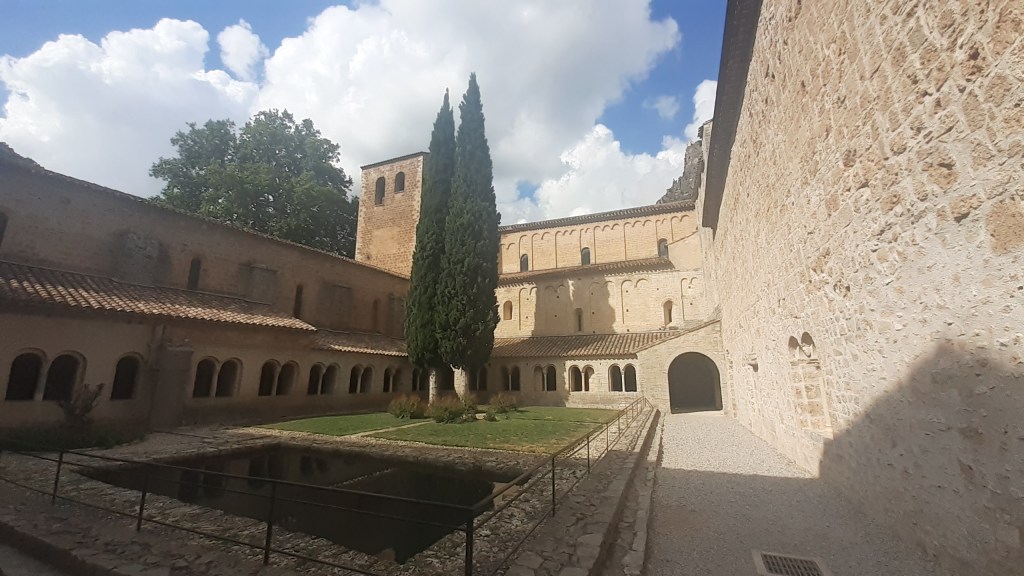
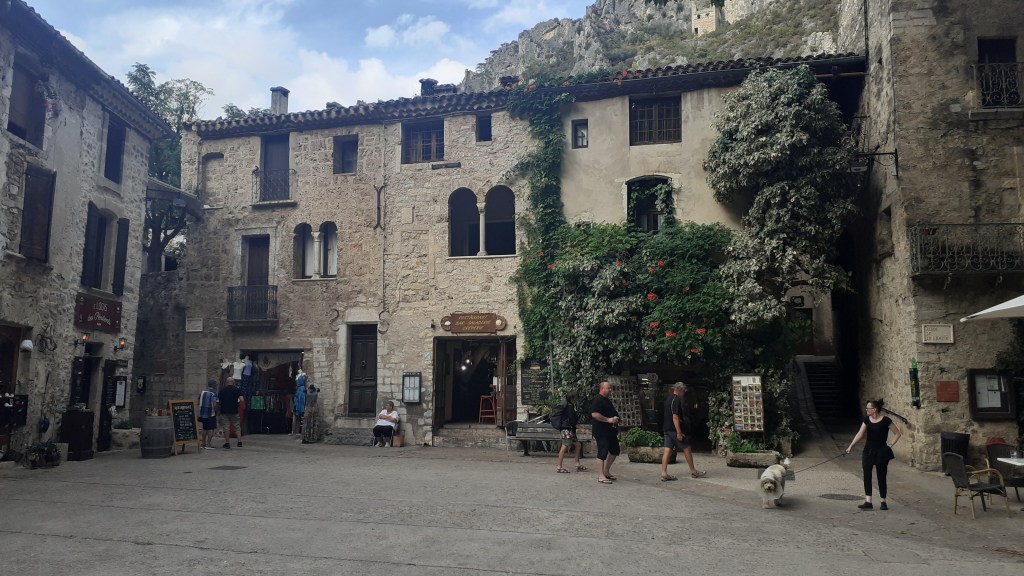

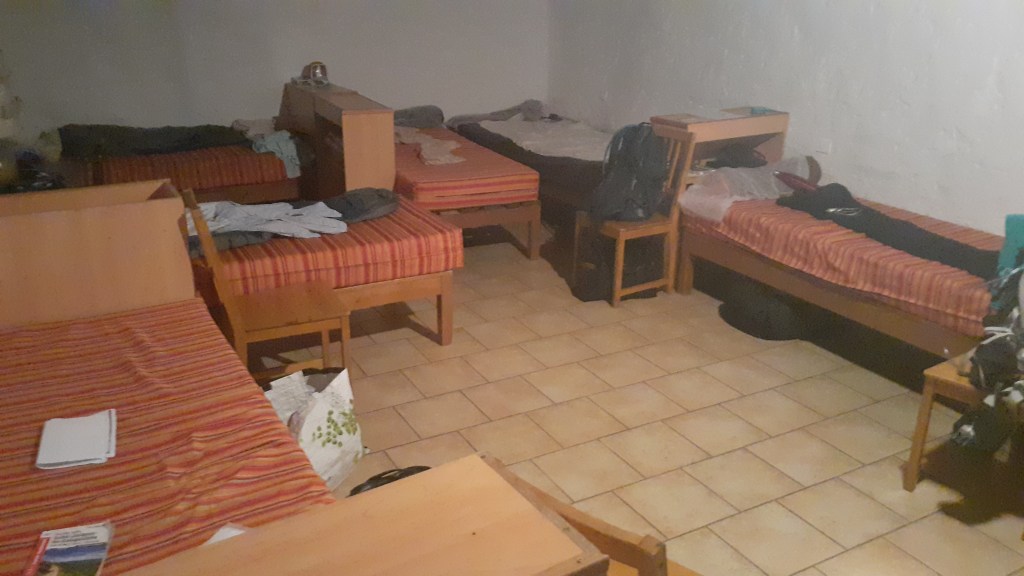
My accommodation for the night was a bed in a mixed dormitory run by the Sisters of Carmel Saint Joseph.No swimming pool its true, but an opportunity to share a dormitory for the night with a mixed bag of French pilgrims. I thanked my lucky stars that I had remembered to bring some earplugs with me!
 Pilgrim's Progress - Long Distance Walks in Europe and the UK
Leave a comment